





Is the Electric Animal Fence always the best solution?
Gemi Elettronica ·

The Electric Animal Fence
The electric fence for animals represents an effective solution to protect your animals from predators or to prevent them from straying from the designated area.
These fences are made up of electrified metal wires, which use a battery or an external power supply to generate a low-voltage electric current. The current flows through the fence wires, creating an electric barrier that prevents animals from crossing the fence.
Electric fences are available in different heights and lengths, depending on the user's needs. They can be easily installed on uneven or sloping terrain, thanks to their flexibility.
The use of these fences is safe for animals, as the generated current is low voltage and does not cause physical harm.
However, it is important to consider some crucial aspects such as constant maintenance of the device, monitoring the regular functioning of the energizers, and using warning signs to prevent any accidents.
In conclusion, electric fences are a very useful option to protect your pets or farm animals. They are easy to install, safe for animals, and provide an effective barrier against predators.
Before purchasing an electric fence, however, it is important to check local regulations regarding the use of outdoor electrical devices.
How does the electric fence for animals work?
An electric fence for animals is a fencing system that uses an electric current to keep animals within the fence.
This type of fencing is commonly used in agriculture and livestock to contain livestock.
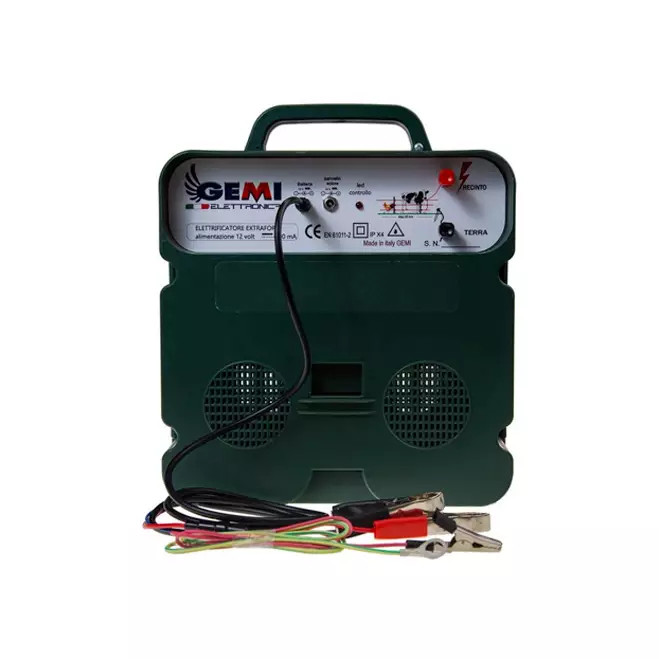
The operation of the electric fence for animals is based on the use of a device called a ""energizer"".
The energizer is a device that converts the electric current supplied from the power outlet into a low-voltage current, usually between 3,000 and 10,000 volts, depending on the user's needs.
The electric fence for animals is made up of metal wires, which, in turn, are connected to the energizer. When an animal comes into contact with one of the fence wires, it closes the circuit and allows the current to flow through its body.
The painful sensation caused by the electric shock deters the animal from trying to cross the fence.
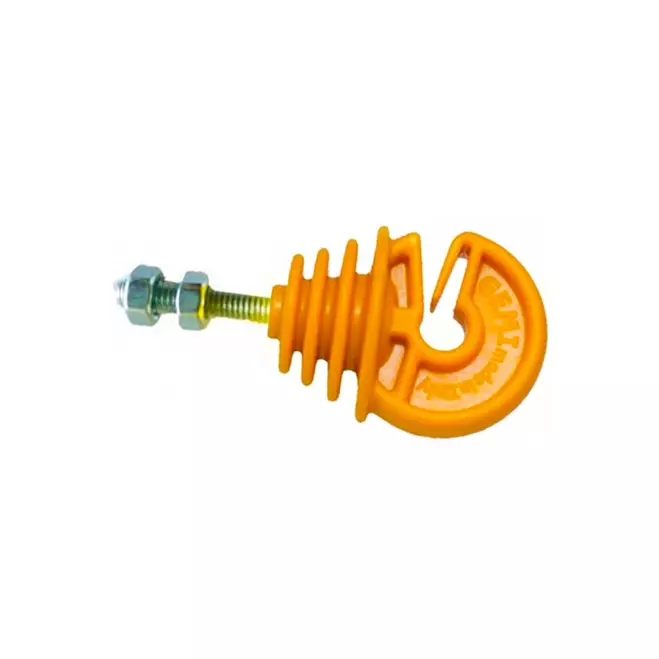
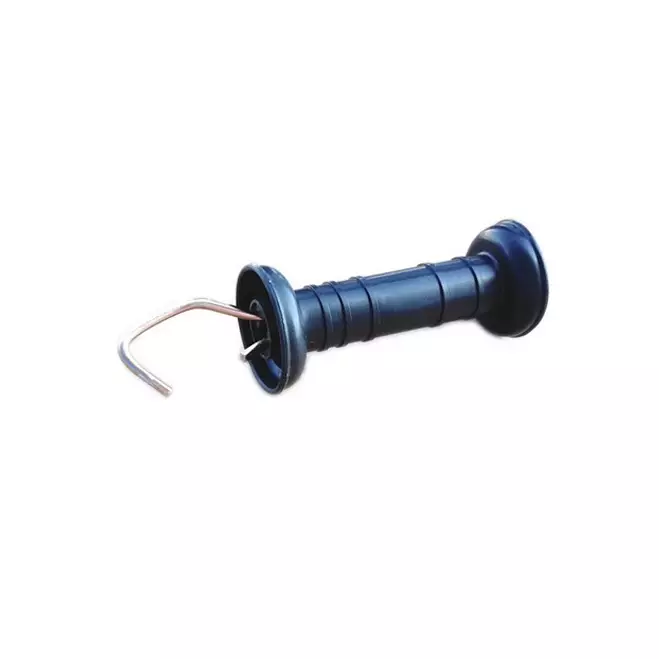
Electric fences are also equipped with insulators, which prevent the current from escaping the system, ensuring the safety of animals and people near the fence.
In general, electric fences for animals can be easily installed by anyone with minimal knowledge of basic electronics.
However, before installing an electric fence for animals, it is important to check local regulations on animal management to ensure that the use of the fence is legal.
In summary, electric fences for animals are an effective and economical system to contain livestock within your land or agricultural property.
Their operation is simple but effective thanks to the low-voltage current provided by the energizer, which deters animals from trying to cross the fence.
Installation of an electric fence
First of all, it is important to consider some key factors in choosing the type of electric fence to use, such as the type of animal, the size of the enclosure, the surrounding terrain, the presence of obstacles, and the budget available. Once these considerations are made, you can follow the steps below to install an electric fence for animals:
-
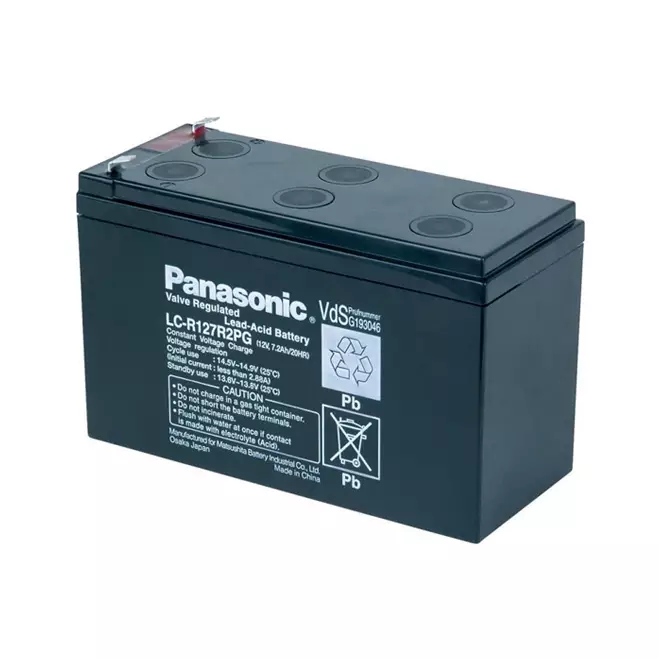
Buy the necessary material: electric fence, insulators, support posts, electric cables, electric battery, charger, connection wires, electric current tester, etc.
-
Identify the area where you want to install the electric fence and make sure it is free of obstacles and large enough for the animals you want to contain.
-
Fix the support posts in place, using stakes or anchoring cables to ensure they are stable and sturdy.
-
Apply the insulators to the support posts, positioning them at regular intervals to keep the electric fence safe.
-
Install the electric fence on the support posts, making sure it is taut and secure. The fence should be positioned at an appropriate height based on the size of the animals you want to contain.
-
Connect the electric connection wires to the electric battery and connect the charger to ensure the battery is charged.
-
Connect the electric connection wires to the electric fence, using the electric current tester to ensure that the current is flowing properly.
-
Place warning signs along the electric fence to alert anyone approaching the enclosure.
-
Test the electric fence, making sure it functions properly before introducing the animals into the enclosure area.
-
Regularly monitor the electric fence to ensure it is still in good condition and continues to function properly, making any repairs or replacements as necessary.
Electric Fence for Cats, Chickens, and Small Animals
An electric fence for cats, chickens, and small animals should have the following characteristics:
-
Low voltage: The voltage of the electric fence should be low enough to avoid serious injuries to animals. A voltage between 300 and 5000 volts is generally considered safe for pets.
-
Pulsating current: The electric fence should have a pulsating current to make the shock less painful and less dangerous for animals.
-
Thin conductor wire: The conductor wire used in the electric fence should be thin to minimize the risk of injury to animals.
-
Good conductivity: The conductor wire should have good conductivity to ensure that the current can flow through the electric fence evenly.
-
Weather-resistant: The electric fence should be weather-resistant and durable to withstand weather conditions and extreme environmental conditions.
-
Easy to install and remove: The electric fence should be easy to install and remove to allow for greater flexibility in use and maintenance.
Electric Fence for Wild Boars, Sheep, and Large Animals
An electric fence for wild boars, sheep, and large animals should have the following characteristics:
-
Higher voltage: The voltage of the electric fence should be higher than that used for pets, usually between 5000 and 10,000 volts, to ensure that the barrier is effective even for larger animals.
-
Constant current: The electric fence should have a constant current so that animals can feel the shock and move away from the barrier.
-
Stronger conductor wires: The conductor wires used in the electric fence should be stronger to withstand the force of larger animals and prevent the barrier from breaking or being damaged.
-
Greater spacing between wires: The spacing between wires should be greater than that used for pets to prevent animals from easily jumping or crossing the barrier.
-
Good conductivity: The conductor wires should have good conductivity to ensure that the current can flow through the electric fence smoothly and effectively.
-
Weather-resistant: The electric fence should be weather-resistant and durable to withstand weather conditions...