









Carbon Monoxide from stoves? A silent killer! Here's how to prevent it from escaping your fireplace.
Gemi Elettronica ·
Introduction
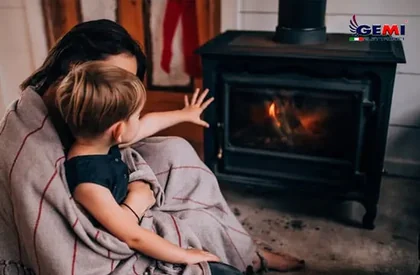
Wood stoves are a popular choice for home heating, offering a cozy atmosphere and a sustainable alternative to fossil fuels. However, it is crucial to be aware of the potential danger of carbon monoxide (CO) that can be released during wood burning. Carbon monoxide is a colorless, odorless, and toxic gas that can be harmful to human health if proper precautions are not taken. In this article, we will explore the risks associated with carbon monoxide in wood stoves and present the main remedies to prevent the release of this dangerous gas.
1. What is Carbon Monoxide?
Carbon monoxide is a byproduct of incomplete combustion of fossil fuels, including wood.
During combustion, oxygen combines with the carbon in the wood to produce carbon dioxide (CO2) and, under inefficient combustion conditions, carbon monoxide.
Unlike CO2, carbon monoxide is highly toxic and can be lethal in high concentrations.
2. Risks Associated with Carbon Monoxide
Exposure to carbon monoxide can cause a range of symptoms, from mild to severe, depending on the concentration and duration of exposure. Common symptoms include headache, nausea, dizziness, fatigue, and mental confusion. In severe cases, carbon monoxide poisoning can lead to loss of consciousness, permanent brain damage, and even death. It is important to emphasize that carbon monoxide is a ""silent killer"" as it is odorless and colorless, making it difficult to detect its presence without specific tools.
3. Safety Checks for Wood Stoves
To prevent the release of carbon monoxide during the use of wood stoves, it is crucial to follow some essential safety checks:
3.1 Chimney Installation and Inspection
Before using a wood stove, it is important to ensure that it has been installed correctly and that a thorough chimney inspection has been conducted by a qualified professional. A faulty installation or a damaged chimney can increase the risk of carbon monoxide leaks in the home environment.
3.2 Regular Maintenance
Another crucial preventive measure is regular chimney maintenance. This involves periodic cleaning of the chimney and removal of accumulated ash and combustion residues. A dirty or blocked chimney can compromise proper combustion and increase carbon monoxide production.
3.3 Draft Control
Chimney draft is a fundamental aspect to ensure proper air circulation and effective combustion. If the draft is insufficient, carbon monoxide produced during combustion may not be adequately vented. It is advisable to regularly check the chimney draft and, if necessary, adjust it to optimize safe combustion.
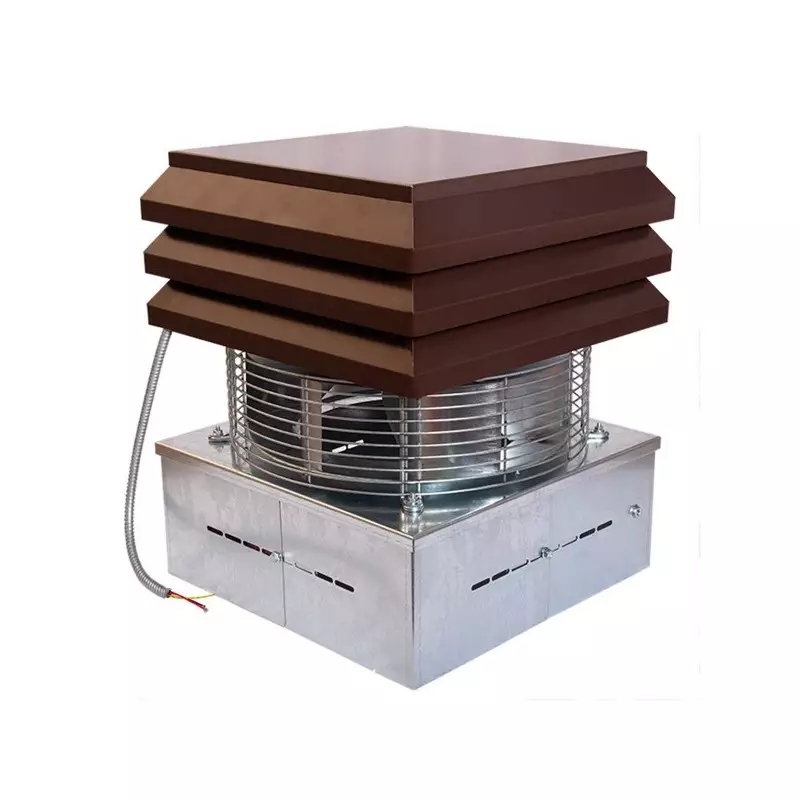
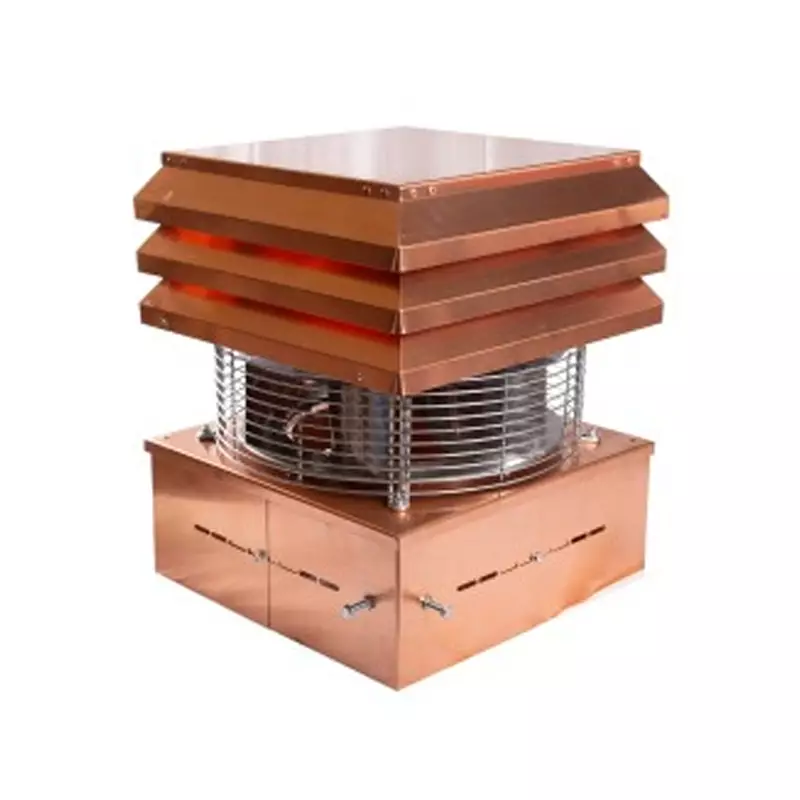
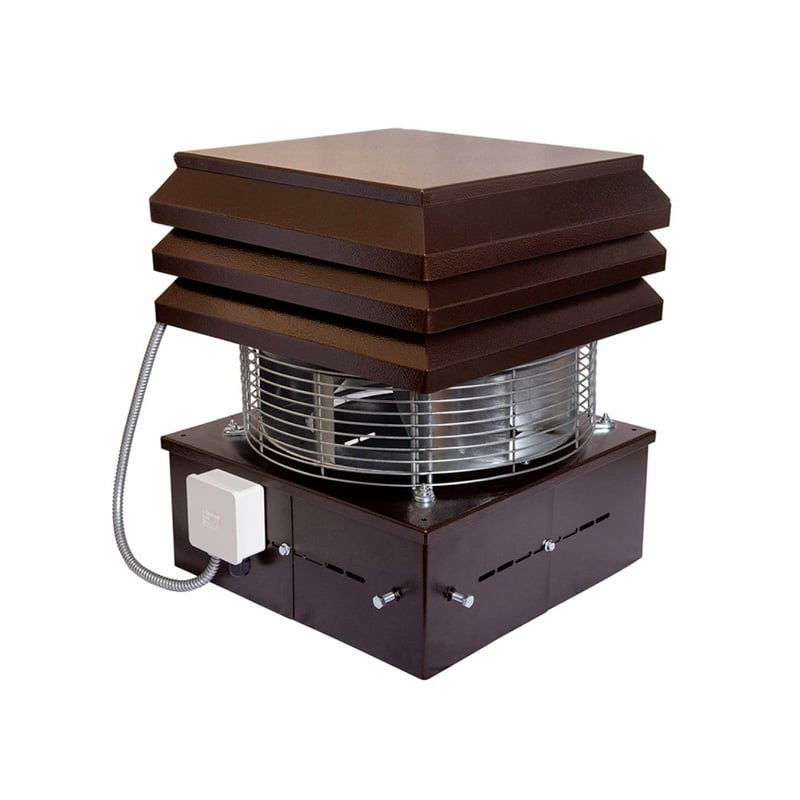
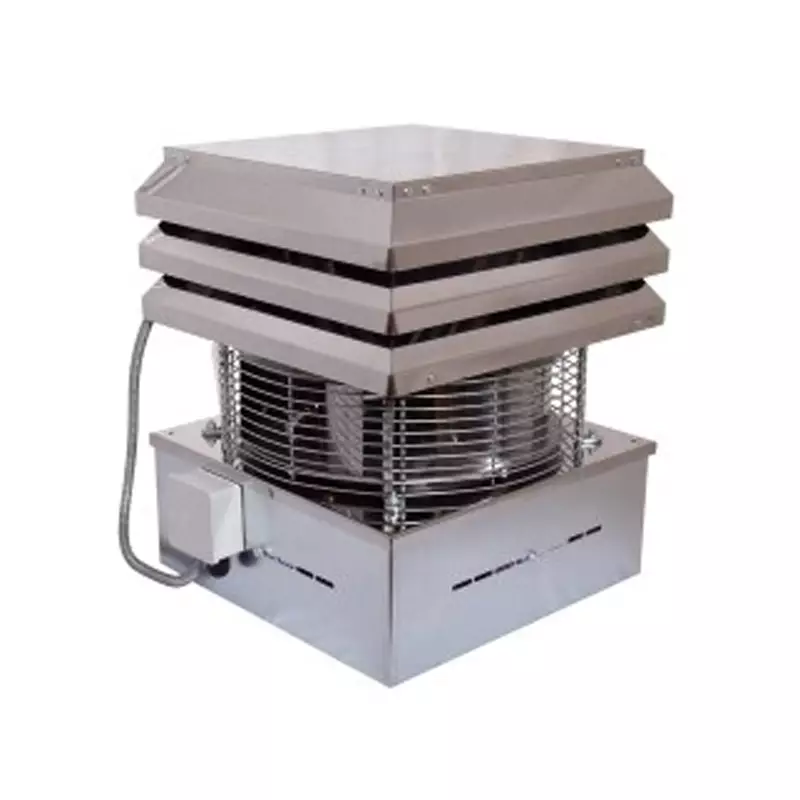
To solve the chimney draft issue, simply install a Gemi chimney aspirator that you can find in this section.
4. Installation of Carbon Monoxide Detectors
An additional highly recommended safety measure is the installation of carbon monoxide detectors near the wood stove and in living areas. These devices can detect the presence of carbon monoxide in the air and alert occupants in case of dangerous concentrations. Ensure that the detectors are installed correctly and that the batteries are regularly replaced to ensure their proper functioning.
5. Adequate Ventilation
Good ventilation is essential to ensure the circulation of fresh air and the elimination of carbon monoxide. Make sure that living areas are properly ventilated, especially when the wood stove is in use. Opening windows or using mechanical ventilation systems can help reduce the concentration of carbon monoxide in the home environment.
Conclusions
Carbon monoxide poses a real danger in wood stoves, but with the right precautions and safety checks, the risk can be significantly reduced.
Thanks to Gemi chimney aspirators that allow:
1) Improve chimney draft, promoting the evacuation of potential harmful gases outside the home
2) Increase ventilation in our living spaces
3) Keep the chimney clean from soot buildup
safe combustion can be achieved, protecting the health of the home occupants.
Remember, safety always comes first when it comes to wood stoves.