




Wood stove smokes? Here is the solution…
Gemi Elettronica ·
What is a wood stove?
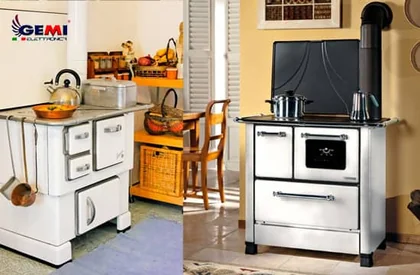
A wood stove is a type of cooker designed to cook and heat using the heat generated by burning wood. This type of cooker has a long history and was used in many cultures around the world before the advent of modern gas or electric cookers.
Wood-fired stoves generally consist of a main stove or oven, where wood is burned to generate heat, and a cooking surface above the stove, which can be used to cook food directly over the fire or to keep prepared food warm.
These cookers often feature a traditional, rustic design, with a sturdy frame made of cast iron, steel, or ceramic. They may have additional features such as ovens for baking bread or pastries, grills for grilling, and stainless steel or ceramic countertops.
Wood stoves offer several advantages over modern stoves. First, they are very efficient at generating heat, which makes them particularly suitable for heating larger rooms during the colder months. In addition, the constant, even heat produced by burning wood is ideal for slow cooking foods, such as stews, soups and roasts.
Furthermore, wood stoves can be considered an eco-friendly choice, since the wood used as fuel is a renewable source and has a low environmental impact if harvested sustainably. However, it is important to use well-seasoned wood from responsible sources to minimize the environmental impact.
Although wood-burning stoves are less common in modern homes, they continue to be appreciated for their rustic charm, versatility, and ability to create a cozy, homey atmosphere within the home.
What are the most common problems with a wood stove?
A wood-burning stove is a traditional and charming element in a home, but it can become a real nightmare when it starts producing smoke instead of heat. This can cause discomfort, bad smells and even health problems for the inhabitants of the house. So let's see what are the most common causes of this inconvenience and how to solve it.
The main causes that compromise the correct functioning of a wood stove are many, we mention the most common ones:
- Difficult to light : Like wood stoves, wood stoves can be difficult to light if the wood used is not well seasoned or if the stove has not been lit properly. This can be remedied by using well seasoned wood and following the lighting procedures correctly.
- Smoke in the room : Smoke entering the room instead of being evacuated through the chimney can be caused by a variety of problems, such as insufficient draft or a blocked chimney. It is important to ensure that the chimney is clean and that there is proper ventilation to ensure effective evacuation of smoke.
- Uneven Heating : Some wood stoves may heat unevenly, with some areas getting too hot and others staying cool. This may be due to uneven heat distribution or inefficient stove design. Installing baffles or fans can help improve heat distribution.
- Soot and residue build-up : During normal use, wood-burning stoves can accumulate soot and residue inside the combustion chamber and chimney. This can impair the performance of the stove and increase the risk of fires. It is important to clean the stove and chimney regularly to prevent build-up and ensure safe and efficient operation.
- Overheating : As with wood stoves, over-loading the range with wood or using a type of wood that is too combustible can cause the range and surrounding surfaces to overheat. This can damage the range and pose a fire risk. It is important to follow the manufacturer's guidelines and use the proper wood to avoid overheating.
Solving these problems requires regular maintenance and proper management of your wood stove. By keeping your stove clean, using quality wood, and following the manufacturer's instructions, you can minimize problems and ensure safe and efficient operation of your wood stove.
The length of the wood stove can also affect the presence of smoke. If the wood stove is too short compared to the size of the room or the power of the fire, the effect will be poor air circulation and smoke will tend to accumulate inside.
How to solve this problem?
To solve the problem of a wood stove that produces smoke instead of heat, it is essential to address the underlying causes and take appropriate corrective measures. Here are some solutions:
- Checking the size of the flue : Make sure that the flue of your wood stove is sized correctly according to the specifications of the appliance. A flue that is too small can cause insufficient smoke evacuation.
- Chimney Insulation : Insulate your chimney to prevent it from cooling down too quickly. A cold chimney can impair proper air circulation and cause smoke.
- Check for flue bends : If your flue has excessive bends, it may impede the flow of smoke. Consider making adjustments to ensure a more linear trajectory.
- Adequate ventilation : Make sure there is sufficient ventilation in the room. Lack of air can negatively affect combustion and contribute to smoke formation.
- Consider wind : If headwinds are a problem, you may want to consider installing chimney baffles or chimney caps to reduce the effect of wind on the flue.
- Check the design of the fireplace or wood stove : If the problem persists, it may be useful to consult an expert to evaluate the overall design of the fireplace or wood stove, looking for any design flaws.
- Chimney Length : If your chimney is too short for the size of your room or the power of your wood stove, consider extending it to improve air circulation and reduce smoke buildup.
Always remember to consult an industry professional for a detailed assessment of your system and to ensure that any changes you make comply with local safety regulations.
The most practical and fastest solution according to Gemi
Within the Gemi world, we are pleased to introduce our vast collection of fireplace smoke extractors, each with distinctive features to meet the diverse needs of our customers.
Our commitment to exceptionality has guided us to create a diverse range of models, ensuring that each element has been carefully conceived and curated.
Our products…
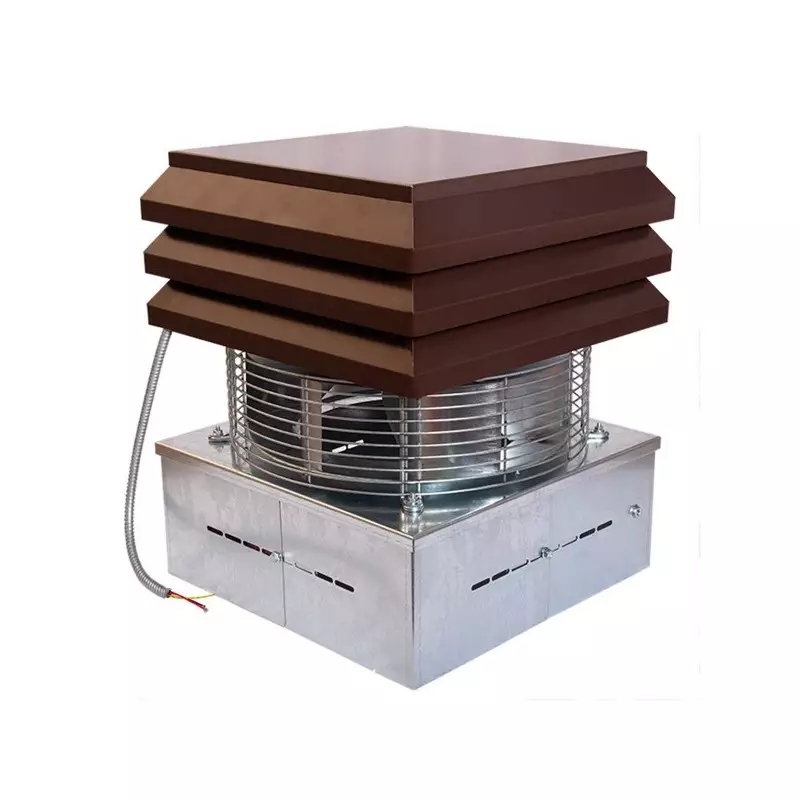
"Basic" Fireplace Extractors : Chimney Puller For those looking for reliable and efficient solutions, we offer our line of basic fireplace extractors. These models have been designed to offer solid performance at an affordable cost, ensuring effective smoke removal without compromising quality. The main features: 300 C° of suction, 3 Year Warranty and 2500 M³/h of suction power.
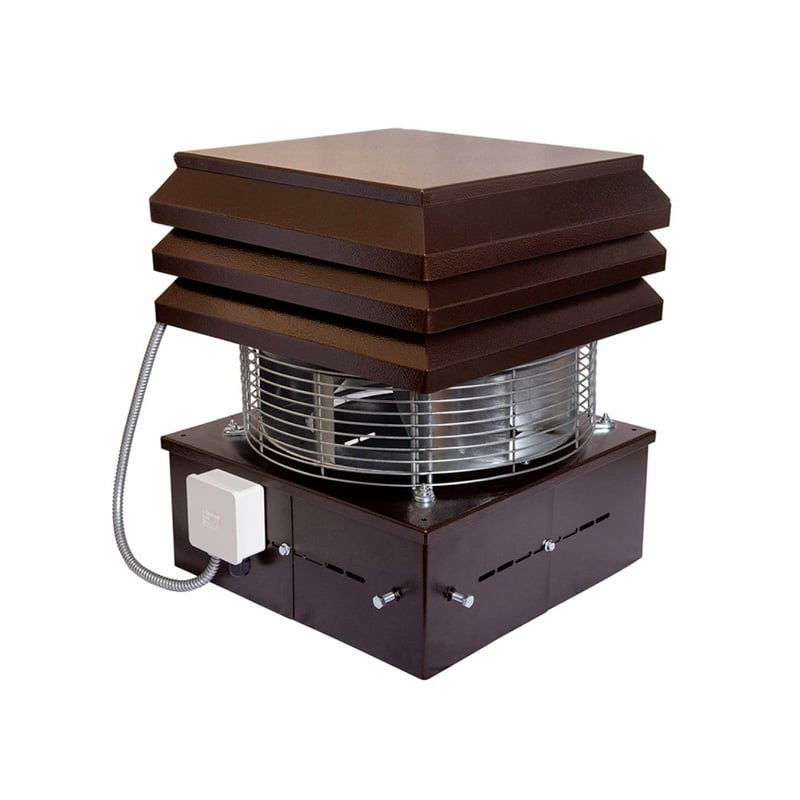
"Professional" fireplace extractors : If you are looking for professional-level performance, characterized by even more power and reliability, our professional smoke extractors are the ideal choice. The main features: 700 C° of suction, 6 Years Warranty and 3800 M³/h of suction power.
Our collection also extends to a variety of extractors made from high-quality materials, including stainless steel and copper.
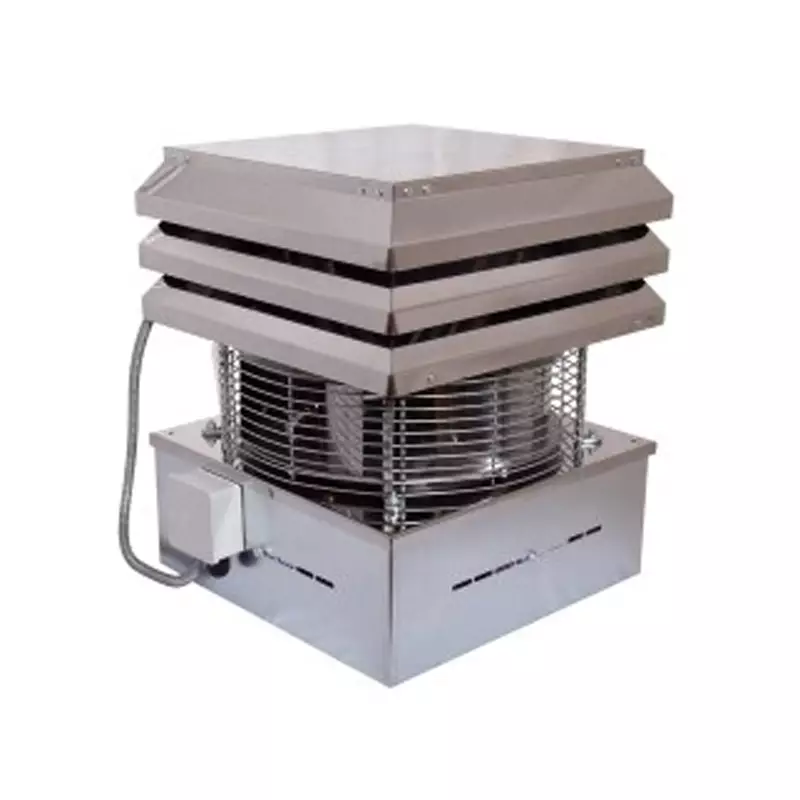
"Steel" fireplace extractors : Steel extractors embody modern elegance and are built to withstand the challenges of time, offering efficient extraction and sophisticated style. 6-speed electric smoke extractor, designed entirely in Aisi 304 stainless steel. Thanks to its structure, the smoke extractor resists corrosion caused by atmospheric agents and saltiness, for greater durability over time. Motor force 3800m³/h, can be installed on any size of flue. Smoke extractor resistant up to 700°, in case of fire.
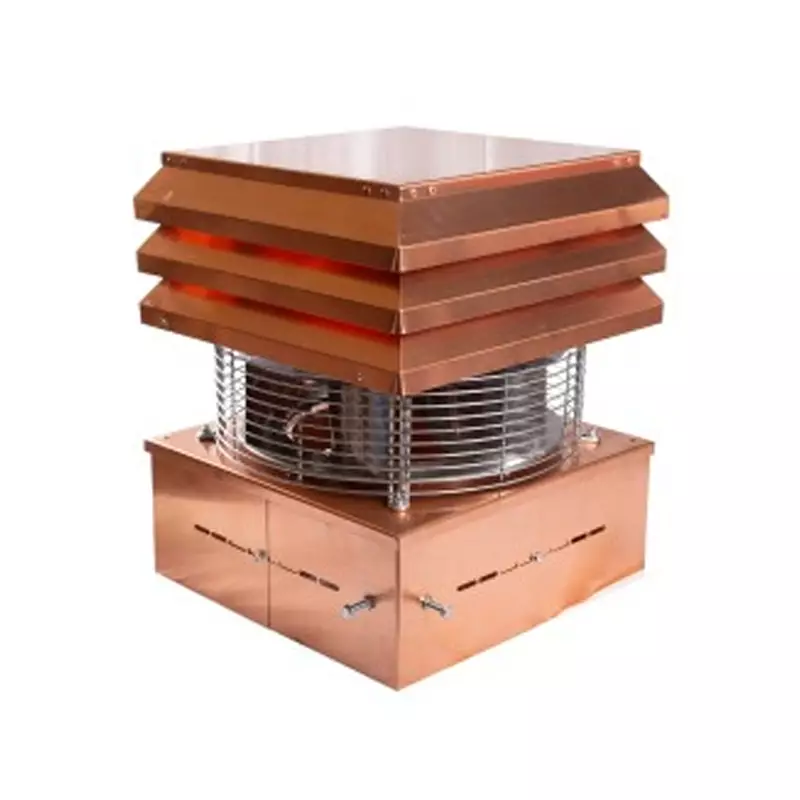
"Copper" chimney extractors : On the other hand, copper extractors not only reflect a classic beauty, but also boast characteristics of resistance over time. The Copper chimney extractor is the top of the range of Gemi electric extractors. Built entirely in Aisi 304 stainless steel, to allow resistance to atmospheric agents and saltiness. A careful eye also on aesthetics, thanks to the Copper plating. Like the professional "dark brown" model, it extracts 3800m³/h and resists up to 700°. Guaranteed resolution of the smoke problem. Ideal for fireplaces, stoves, barbecues, ovens, etc. Warranty on the entire structure of the chimney extractor for 10 years.