



How to protect your vineyard from wild boars? Discover the solutions…
Gemi Elettronica ·
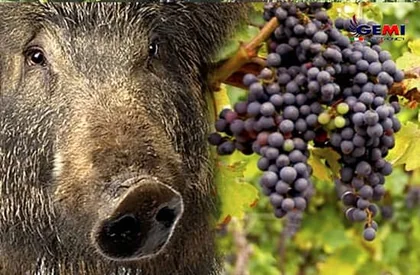
How to protect your vineyard from wild boars? Discover the solutions…
What is a vineyard?
A vineyard is much more than a simple extension of land cultivated with vines. It is a living work of art, a symphony of nature and human labor that come together to create one of the oldest and noblest agricultural products: wine.
A vineyard is a place where the land and climate marry with the mastery of man. The vines, arranged in neat rows, extend like notes on a score, each representing a chapter in the history of the place. Each vineyard tells a unique story, influenced by the soil, altitude, exposure to the sun and the cultivation practices adopted.
Walking through the rows of a vineyard is like entering a magical world where time seems to slow down. Here, each season brings with it a new dance: winter pruning, spring flowering, summer bloom and finally the autumn harvest. Each phase requires care and attention, an art passed down from generation to generation.
But a vineyard is not just work and dedication; it is also a sanctuary of biodiversity. Between the rows are hidden small ecosystems, habitats for beneficial insects, birds and other creatures that contribute to the natural balance of the surrounding environment.
Finally, a vineyard is the beginning of an exciting journey. The grapes grown with love and passion will then become wine, bringing with them the unique character of the terroir from which they come. Each sip will tell the story of the vineyard, transporting those who taste it on a sensory journey through time and space.
What risks can be run in the production of a vineyard?
Vineyard production is an activity that involves several risks, both natural and related to agricultural practices. Some of the main risks include:
1. Climatic:
Extreme weather conditions, such as late frost, hail, drought or heavy rain, can damage vines and reduce the harvest. Unpredictable weather variations can also affect the ripening of grapes and the quality of wine.
2. Plant diseases: Vines are subject to various diseases, such as powdery mildew, downy mildew and botrytis (grey mold), which can damage leaves, bunches and shoots, compromising the health of the plants and the quality of the grapes.
3. Insects and Pests: Pests and other pests can attack grapevines, causing direct damage to plants or transmitting disease. Examples include phylloxera, red spider mite, and the flavescence dorée leafhopper.
4. Human error: Incorrect cultivation practices or inadequate vineyard management can cause problems such as crop loss, poor grape quality or plant damage. These errors can arise from the failure to apply phytosanitary treatments, inadequate pruning or inadequate irrigation management.
5. Mechanical accidents: During vineyard operations, such as pruning, harvesting or plant treatment, mechanical accidents can occur that damage the vines or compromise the safety of the operators.
6. Fires: Fires can be a serious risk to vineyards, especially during dry and windy seasons. A fire can completely destroy the vineyard, causing irreparable damage to the vines and soil.
To mitigate these risks, winemakers adopt various preventive strategies, such as choosing disease-resistant grape varieties, using sustainable agronomic practices, integrated pest and disease management, as well as agricultural insurance and emergency planning. However, despite all the precautions, wine production remains an activity subject to a certain amount of uncertainty and unpredictability.
The wild boars and the vineyard
The proliferation of wild boars can represent a serious problem for vineyards and for the farmers who cultivate them. Here's why:
1. Damage to vines: Wild boars can cause direct damage to vines, especially during the ripening phase of the grapes. They feed on the grapes themselves, thus destroying part of the harvest and compromising the quality of the remaining grapes.
2. Soil Damage: When searching for food, wild boars can dig into the soil around vines, causing damage to the roots and root system of the plants. This damage can compromise the growth and health of the vines.
3. Destruction of infrastructure: Wild boars, with their strength and tendency to dig, can damage fences, structures and irrigation systems in vineyards.
4. Disease Spread: Wild boars can contribute to the spread of diseases among vines. Through wounds caused during feeding activity, they can transmit pathogens that damage plants.
5. Economic impact: Damage caused by wild boars can have a significant impact on farmers' income. Crop loss and the need to repair damaged structures can lead to additional costs and reduce profits from wine production.
To address the problem of wild boars in vineyards, farmers adopt different strategies. These include installing electric or heavy-duty fences, using guard dogs to deter wild boars, using acoustic or visual deterrents, and in some cases obtaining permits to control the wild boar population through regulated hunting.
However, managing the presence of wild boars in vineyards can be a complex challenge and requires an integrated approach that takes into account ecological dynamics, local legislation and farmers' needs.
How to solve the wild boar problem?
Using electric fences can be an effective strategy to protect vineyards from wild boars. Here's how it works and why it can be useful:
1. Deterrence: Electric fences emit an electric shock when touched by wild boars. This shock does not permanently harm the animals, but it dissuades them from approaching the fence any further. In this way, wild boars are kept away from vineyards, reducing the risk of damage to the vines and crops.
2. Long-term deterrent effect: After receiving an electric shock from a fence, wild boars tend to associate the pain with the surrounding area. As a result, they are less likely to attempt to jump the fence in the future, helping to keep the vineyard safe from further intrusions.
3. Easy to install: Electric fences are relatively easy to install and can be adapted to the specific size and shape of the vineyard. They can be placed around the edges of the vineyard or around particularly sensitive areas, such as those near roads or woods where wild boars can enter more easily.
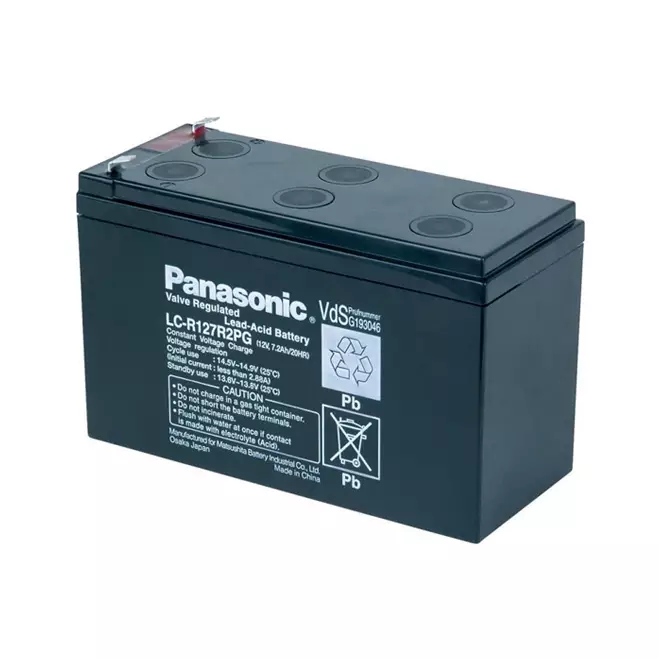
4. Monitoring and Maintenance: Electric fences require some maintenance to ensure they remain effective over time. This may include regularly checking batteries or power sources, repairing any damage to the fences, and replacing worn components.
Although electric fencing can be an effective solution to protect vineyards from wild boars, it is important to also consider other factors, such as cost, local regulations and the impact on the surrounding environment.
However, when used appropriately and integrated with other wildlife management strategies, electric fences can significantly contribute to reducing damage caused by wild boars in vineyards.
The Gemi electric fence product range
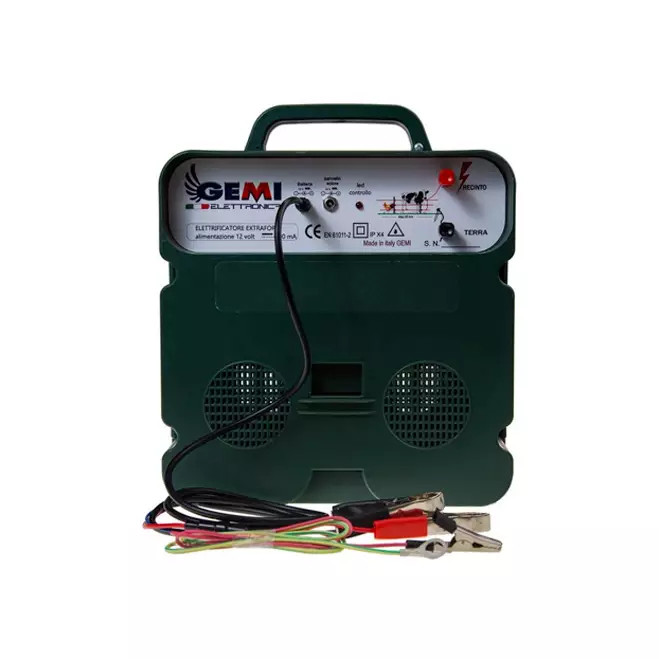
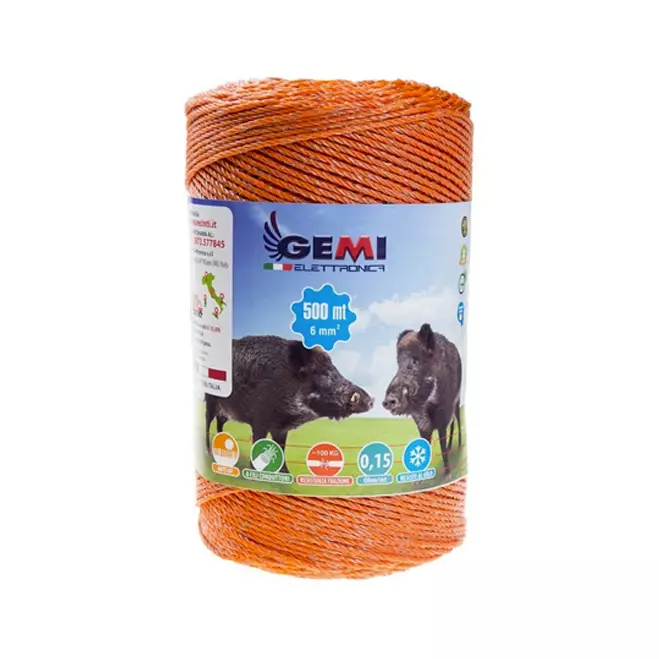
At Gemi, our company, you can find not only a wide selection of electric fence conductors , but also a wide selection of energizers, offering 5 different types, each with specific characteristics and unique advantages:
220V electric fence energizers with perfect and safe operation for fences up to 5km;
220V electric fence energizer with perfect and safe operation for fences up to 8km;
12V/220V battery-powered energizer with perfect and safe operation for fences up to 5km and 6J;
12V/220V battery-powered energizer equipped with 2 batteries for perfect and safe operation for fences up to 5km and 6J;
12V/220V battery-powered energizer equipped with a solar panel with perfect and safe operation for fences up to 5km and 6J.
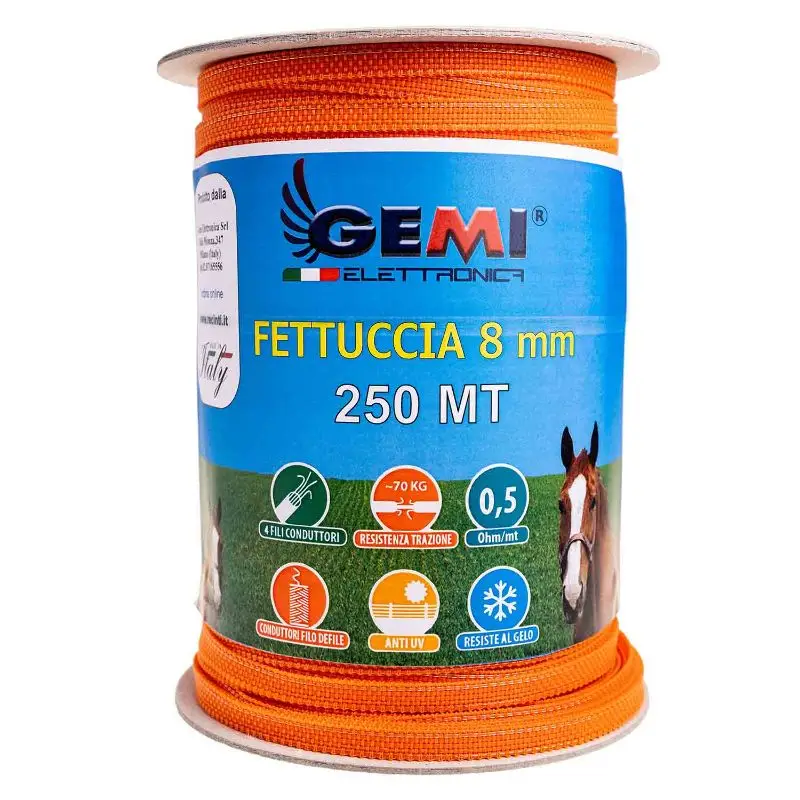
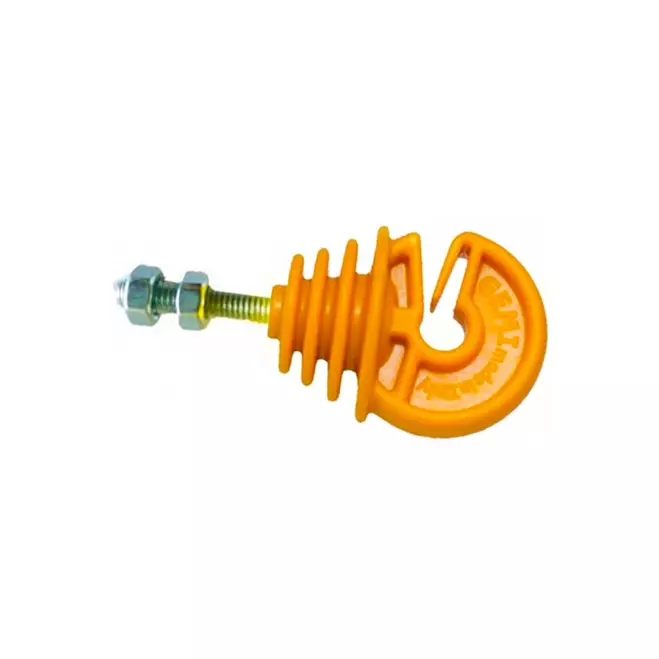
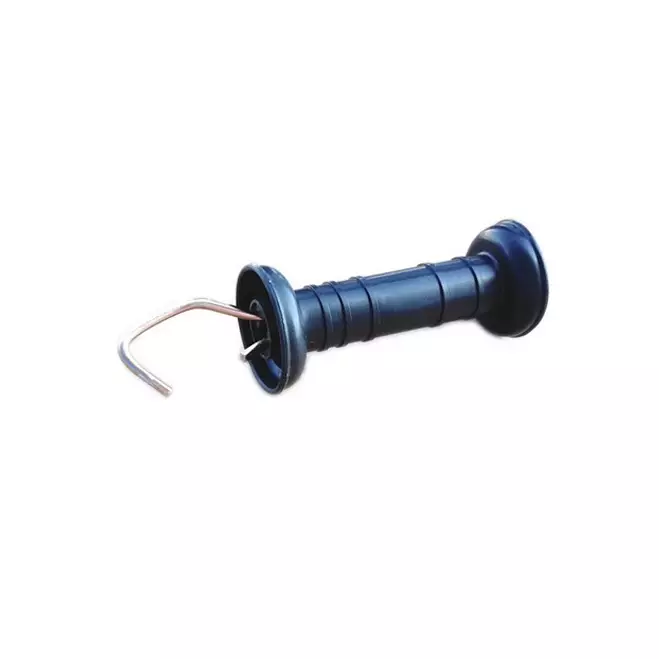
We also offer a wide range of top quality electrical wire and tape, along with insulators designed to fit any type of support you choose for your electric fence:
Screw and unscrew insulator chuck.
At Gemi we stand out from the competition thanks to our fifty-year experience in the sector and our ability to provide customized solutions for the specific needs of each customer. Our attention to the customer is obsessive, providing a complete support service from the moment of purchase that does not stop at the moment of purchase. We are available by phone at +390287165556 , in chat or via email.
The advantages of buying Gemi
- Free returns within 100 days;
- Free shipping in 24/72 hours for orders over €99
- All products are made by us in Italy with the highest quality raw materials;
- All products comply with legal safety standards and are certified;
- We have over 5000 reviews on the world's leading review portal: Trustpillot;
- Our forty years of experience are at your complete disposal.
- We have almost 1000 video reviews on the Video Review Portal TrustVideos, which contain video testimonials from users.
Buy now at 69-recinto-elettrico.