




Is electric fence dangerous for humans? Absolutely not, but...
Gemi Elettronica ·
Is electric fencing dangerous for humans?
What is an electric fence?
An electric fence is a safety system used to contain animals within a defined area, such as a pasture or field. The fence consists of a series of conductor cables that are connected to a special control unit and powered by an electric current generator. When an animal comes into contact with the fence and completes the circuit, it receives a small electric shock that discourages it from attempting to cross the barrier.
This type of fence is often used in agriculture to keep livestock within a designated area without the need to build more expensive and complex physical fencing. It is also used to protect gardens and crops from wild animals.
Electric fences are designed to be safe for animals, providing only a mild shock that will not cause permanent damage. However, it is important that they are installed and used correctly to avoid any injury to animals or people. Some electric fences come with alarm systems that will alert you when the fence is damaged or broken, ensuring the continued safety of the animals contained within.
What are the essentials for an electric fence?
An electric fence is made up of several essential components that work together to ensure its effectiveness in containing animals and keeping them safe. Here is an overview of these key components:
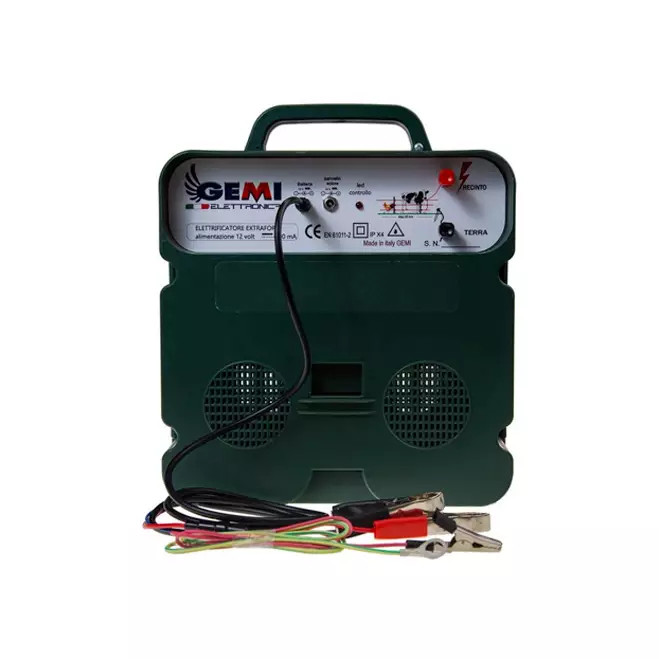
Energizer : This device is the heart of the system. It is a device that converts electrical energy from a power source (usually a battery or an electrical outlet) into high voltage, low current electrical pulses. These pulses are transmitted through the fence wire to deter animals from attempting to cross the fence.
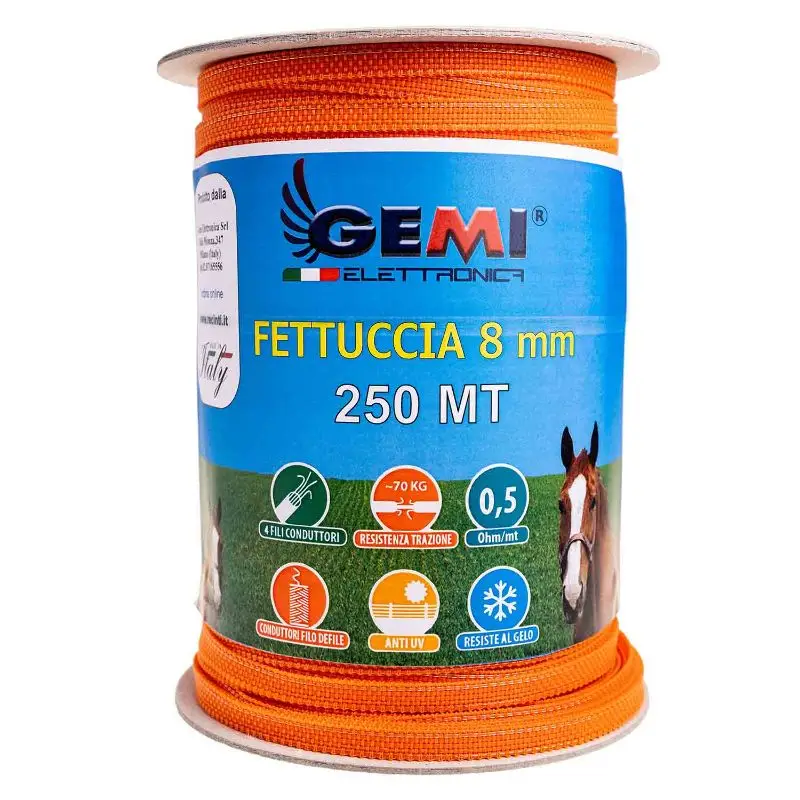
Electric Fence Wire or Webbing : Conductive material is used to create the physical barrier of the fence. Conductive wire or webbing is strung between electric fence posts to form a continuous line or series of lines that delimit the area.
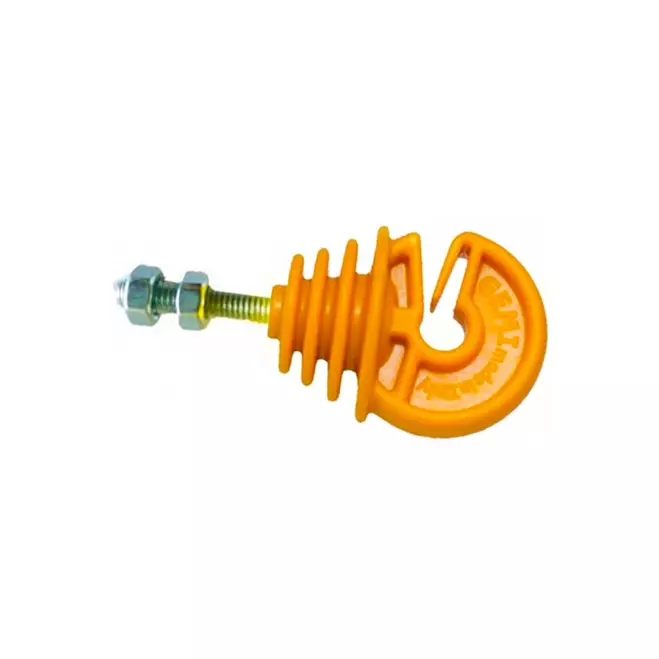
Insulators : Insulators are essential for keeping the fence wire separate from the support posts. They are usually made of durable plastic or ceramic and prevent the flow of current from dissipating through the posts, ensuring that the energy remains focused on the fence wire.
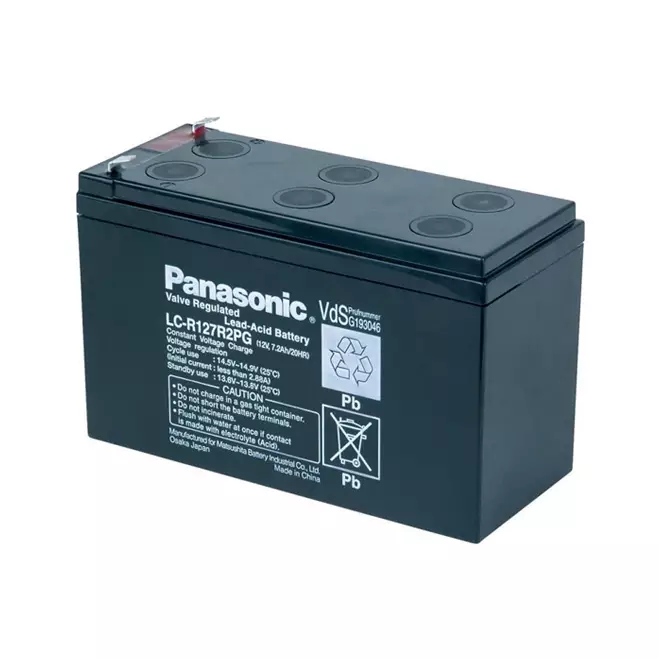
Batteries : Where there is no external power source, such as in remote areas or on pastures far from the mains, batteries are essential to provide the energy needed by the energizer. Rechargeable batteries are often used to ensure continuous power.
Tensioners and Reels : These components are used to keep the fence wire taut and securely anchored to the posts. Tensioners allow you to adjust the tension of the wire during installation and over time, while reels make it easy to wind and unwind the wire for fence maintenance and repairs.
Each component plays a crucial role in the overall effectiveness of the electric fence, which offers a flexible and reliable solution for animal management in various agricultural and rural contexts.
Electric fence regulations: what are they?
Electric fence regulations can vary from country to country and even at the local level. However, there are some general guidelines and best practices that are commonly followed to ensure that electric fences are safe and effective. Here are some important points to consider:
Proper Installation : The electric fence must be installed according to the manufacturer's instructions and in accordance with local regulations. This includes the use of proper materials, quality insulators, and proper grounding of the energizer.
Animal Safety : Electric fences must be designed and configured so that they do not cause harm or injury to animals that come into contact with them. The electrical voltage and current must be adjusted appropriately to provide a shock sufficient to deter animals without causing significant pain or harm.
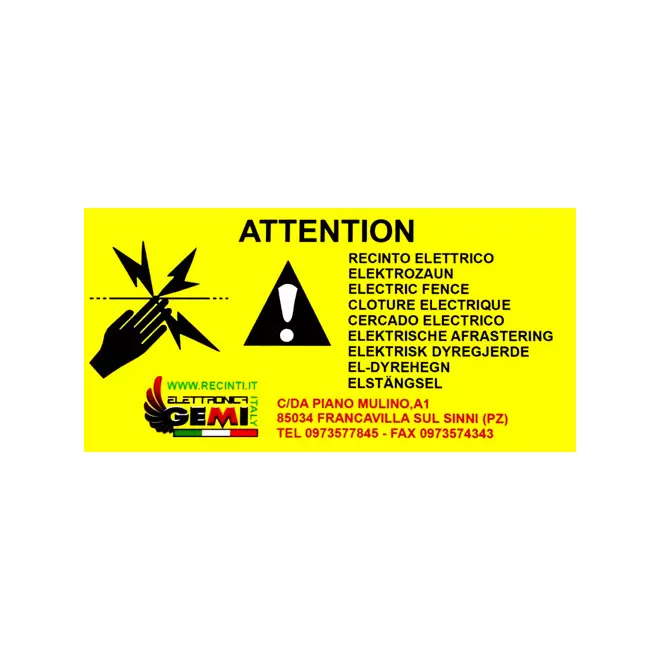
Signage : It is important to clearly mark the area of the electric fence to warn people and other animals of the danger. This can be done by installing warning signs or other visual signals around the perimeter of the fence.
Regular Maintenance : Electric fences require regular maintenance to ensure they function properly. This includes checking and replacing damaged wires, broken insulators, or malfunctioning energizers.
Regulatory Compliance : It is important to check if there are any specific local laws or regulations that govern the use of electric fences in your area. It is the responsibility of the fence owner to ensure that all relevant regulations are followed.
Training and Education : People installing, using or working around electric fences should be properly trained in their proper use and safety practices. This helps reduce the risk of accidents or injuries.
Adhering to these regulations and best practices is essential to ensure that electric fences are safe and effective in containing animals and protecting the surrounding environment.
Are electric fences dangerous for humans and animals?
Electric fences, when properly installed and used, are designed to be safe for humans, children, and animals. These systems are designed to deliver a short, low-intensity electric shock that acts as a deterrent without causing permanent damage or serious injury. Here’s why electric fences are generally considered safe:
Low Shock Intensity : The shocks produced by electric fences are designed to be low intensity, enough to deter animals without causing harm. These shocks are similar to those felt when touching a metal post or a metal door handle.
Short duration of shock : The electric shocks of fences are short, lasting only a fraction of a second when an animal or person comes into contact with the electrified wire. This minimizes the risk of injury.
Additional Protections : Electric fences often come with insulators and other safety features that further reduce the risk of injury. Insulators prevent the wire from coming into contact with other conductive surfaces, while automatic shut-off devices can temporarily cut off power in an emergency.
Regulations and Recommendations : There are specific regulations and guidelines for the installation and use of electric fences, which are designed to ensure the safety of animals and people. These regulations include the height and distance of the electrified wires from the ground and from each other, as well as the use of signs and warnings to warn of the presence of the fence.
Training and Awareness : Electric fence operators and owners are often trained in the safe use of such systems and the importance of regular maintenance. Awareness of potential hazards and safety practices further improves the safety of people and animals around electric fences.
In summary, when properly installed and operated according to regulations and recommended practices, electric fencing is a safe and effective solution for managing animals without posing a significant danger to humans, children, or the animals themselves.
Furthermore, it is essential to choose Electric Fences that comply with CE standards and not fences of dubious origin or from companies with no history in the sector.
Gemi's product range
At Gemi, we are committed to offering a wide range of options to meet our customers’ electric fence needs. Our selection of energizers includes five different types, each designed to provide reliable and safe performance:
220V Power Energizers : Ideal for fences up to 5km, these energizers offer stable and safe operation.
220V current energizers : Perfect for fences up to 8 km, they guarantee reliable and safe operation.
12V/220V Battery Energizers : Designed for fences up to 5km and 6J, these energizers offer flexibility in power supply and optimal performance.
Battery powered energizers 12V/220V with double battery : Equipped with two batteries, they are ideal for fences up to 5 km and 6J, ensuring greater durability and reliability.
12V/220V Battery Operated Energizers with Solar Panel : With a built-in solar panel, they are perfect for fences up to 5km and 6J, offering an eco-friendly and convenient option.
We also supply a wide range of high quality electric wire and tape , along with a variety of insulators designed to fit different types of electric fence posts, including wooden posts and iron posts.
We stand out from the competition with our many years of experience in the industry and our dedication to providing customized solutions for each customer's specific needs. Our customer service team is always available to assist you, whether by phone at +390287165556, via chat, or via email. We are here to ensure your satisfaction and offer complete support, from purchase to installation and beyond.