




How to prevent badgers from destroying your garden and vegetable patch
Gemi Elettronica ·
Badger in the garden? Here's how to solve the problem...
The badger: curiosities about this animal
The badger is a legendary creature, an emblematic figure that populates European forests and fairy tales. Also known as the "king of the forest", the badger is a symbolic animal that embodies multiple meanings across cultures and eras.
Its image has often been associated with wisdom and solitude. In Nordic legends, the badger is seen as a wise and cunning animal, living in the woods and having a deep connection with the surrounding nature. Its calm and reserve convey a sense of mystery and ancient wisdom, arousing respect and admiration.
However, the badger has also been the subject of superstitions and popular beliefs. In some traditions, its nocturnal appearance and habitual solitary behavior have made it associated with the world of the occult and black magic. It has been considered an evil and unlucky animal, to be avoided and feared.
In popular culture, the badger is often portrayed as a wise and gentle character, as in Kenneth Grahame's famous novel "The Wind in the Willows", where the character Mole befriends an elderly badger named Badger, a symbol of wisdom and stability. This portrayal reflects the respect and admiration that many cultures have for this wild creature.
In addition to its symbolic significance, the badger also has ecological significance. As a forest dweller, it plays an important role in the ecosystem, helping to control small animal populations and dispersal of seeds. However, the badger has also been the subject of controversy due to its interaction with humans, particularly the damage it can cause to gardens and agricultural crops.
In conclusion, the badger is much more than a simple animal: it is a symbol loaded with meanings and representations, ranging from wisdom to superstition, from kindness to controversy. Its presence in fairy tales and popular culture reflects the complexity of the relationship between man and nature, and its figure continues to fascinate and inspire generations of individuals around the world.
The characteristics of the rate
The badger is an animal with a distinctive physiognomy and fascinating characteristics. Here are some of its main peculiarities:
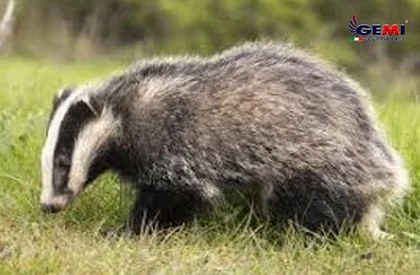
Physical Appearance : The badger is medium sized, with a robust and muscular body. Its fur is thick and dark in color, usually brown or black, with a white or grayish stripe that runs along the muzzle to the back of the head. This distinctive pattern makes it easily recognizable.
Legs and Claws : The badger has short, sturdy legs, adapted for digging and moving agilely in the ground. Its sharp claws allow it to dig underground burrows and climb trees with agility.
Nocturnal habits : The badger is a predominantly nocturnal animal, tending to be active during the dark hours of the day. This nocturnal habit allows it to avoid predators and carry out its hunting and foraging activities in relative safety.
Omnivorous diet : The badger is an omnivore, which means that it eats a wide range of food. Its diet includes insects, small mammals, eggs, fruit, roots and other plants. This adaptability allows it to survive in different types of habitats.
Burrowing Ability : One of the most distinctive characteristics of the badger is its ability to dig complex burrows in the ground. These burrows can be large and intricate, with several chambers used for resting, shelter and rearing young.
Solitary Behavior : Badgers are generally solitary animals, tending to live and hunt alone. However, during the breeding season, they may form brief social bonds with other badgers.
Longevity : Badgers have a relatively long lifespan compared to other wild animals. They can live up to 10-15 years in the wild, while in captivity their life expectancy can exceed 20 years.
These are just some of the characteristics that make the badger a unique and fascinating animal, which has always captured the imagination of people throughout the generations.
Can yew be harmful to vegetable gardens?
The badger can be harmful to vegetable gardens and agricultural crops. Its omnivorous feeding habits can lead to various types of damage, including:
Digging : Badgers are skilled diggers and can create tunnels in the soil in search of food. This behavior can damage the roots of plants grown in the garden, compromising their growth and production.
Plant Consumption : Badgers can eat a variety of plants, including fruits, greens, and roots. If unprotected, they can access gardens and consume parts of cultivated plants, reducing the crop available to humans.
Damage to structures : In addition to damage to the plants themselves, badgers can also cause damage to garden structures, such as fences and protective barriers, in an attempt to access food.
To protect vegetable gardens from damage caused by badgers, several preventive strategies can be adopted:
Fencing : Building fences or underground barriers can help keep badgers away from your vegetable garden.
Deterrents : Some natural repellents or sonic devices can be used to discourage badgers from approaching the garden area.
Badger hunters : In some rural areas, hunters may be licensed to control badger populations to reduce damage to crops.
Removing food sources : Reducing badger access to food can help deter badgers from approaching the garden. For example, keeping pet food indoors at night can limit badger feeding opportunities.
In summary, although yew can cause damage to vegetable gardens, there are several strategies that can be adopted to mitigate this problem and protect agricultural crops.
Here is the best solution to keep the badger away from the garden…
An electric fence is designed to create a physical and psychological barrier between your garden and unwanted animals, such as badgers. It works by sending electrical pulses at regular intervals along the fence wire. These pulses are low intensity, enough to deter animals without causing them permanent harm.
Advantages of electric fence :
Effective deterrent effect : The electrical impulses create an effective barrier and deterrent for animals, preventing them from approaching the vegetable garden.
Easy Installation : Electric fences are relatively easy to install and can be adapted to the size and shape of your garden.
Low environmental impact : Compared to other methods of deterrence, such as the use of chemicals or traps, electric fences have minimal environmental impact.
Versatility : Electric fences can be used to protect a wide range of crops and can be adjusted to suit the specific needs of your garden.
Important considerations:
Safety : It is essential to follow the manufacturer's instructions to ensure that the electric fence is installed safely and that the electrical pulses are of an appropriate intensity for wild animals.
Maintenance : It is important to keep your electric fence in good working order by regularly checking the wire, insulators and battery (if used).
Monitoring : Despite the effectiveness of the electric fence, it is advisable to periodically monitor the garden to check that there are no breaks or damages to the fence that could allow animals to access it.
Protecting your vegetable garden with an electric fence is a safe, effective and environmentally friendly solution to keep badgers away and preserve your valuable agricultural crops. With proper installation and maintenance, you can enjoy the fruits of your labor without worrying about attacks by wild animals.
What is needed to build an electric fence?
When it comes to protecting your vegetable garden from porcupines and other unwanted animals, there is no more reliable and effective solution than Gemi , a leader in the production and marketing of electric fencing products.
Building a fence that provides safety and security requires a thorough understanding of the essential elements that make up a fence. Here is an overview of these elements:
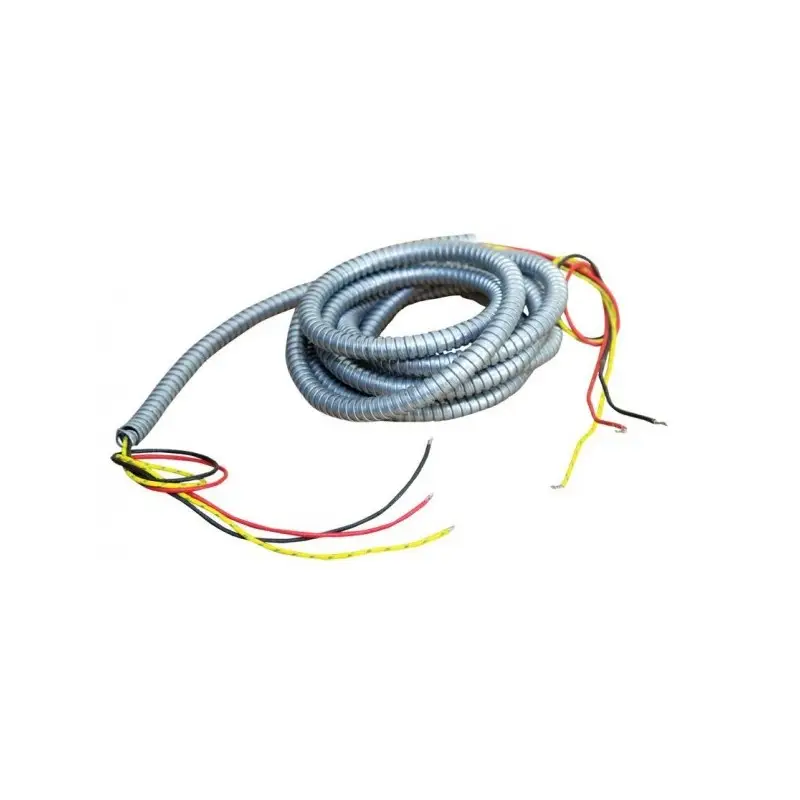
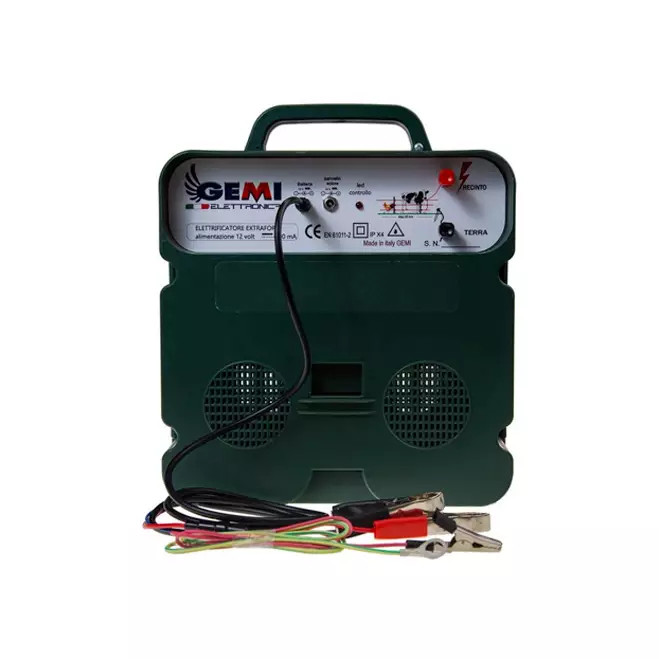
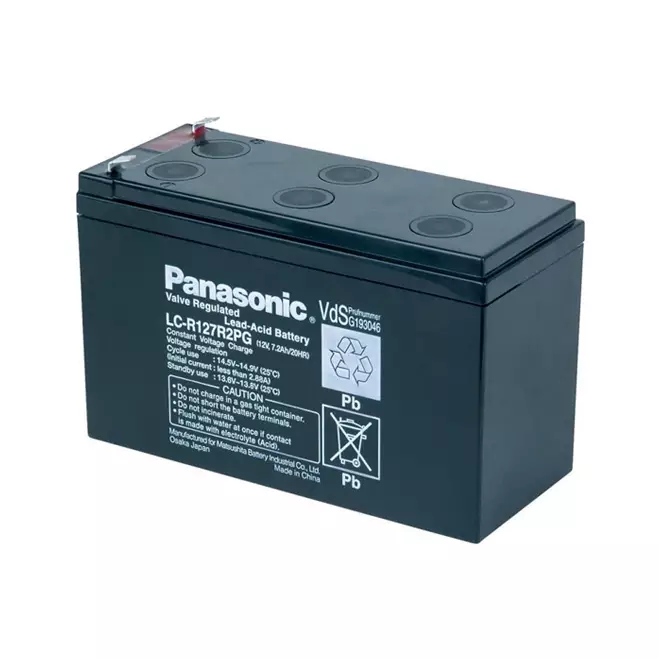
Energizer : This device is the heart of the system, generating the electrical pulses that run along the fence’s electric wire or tape. Powered by batteries, solar, or a DC source, it ensures that the fence is active and ready to repel intruders.
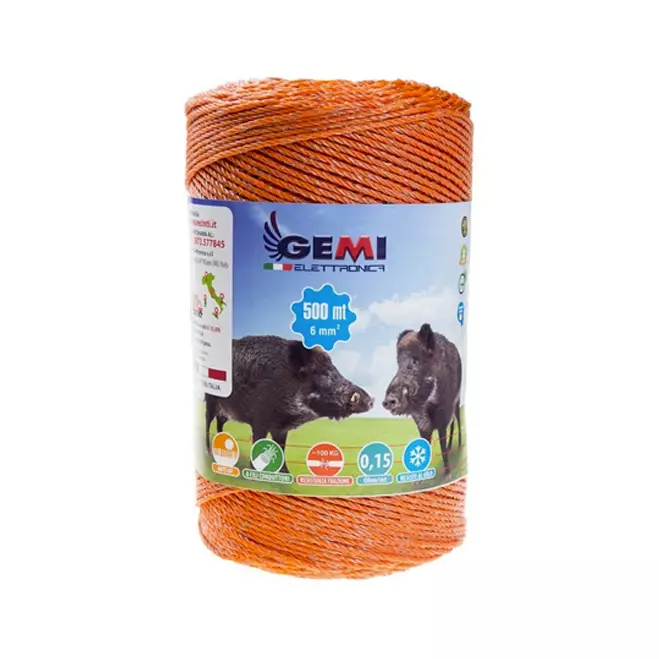
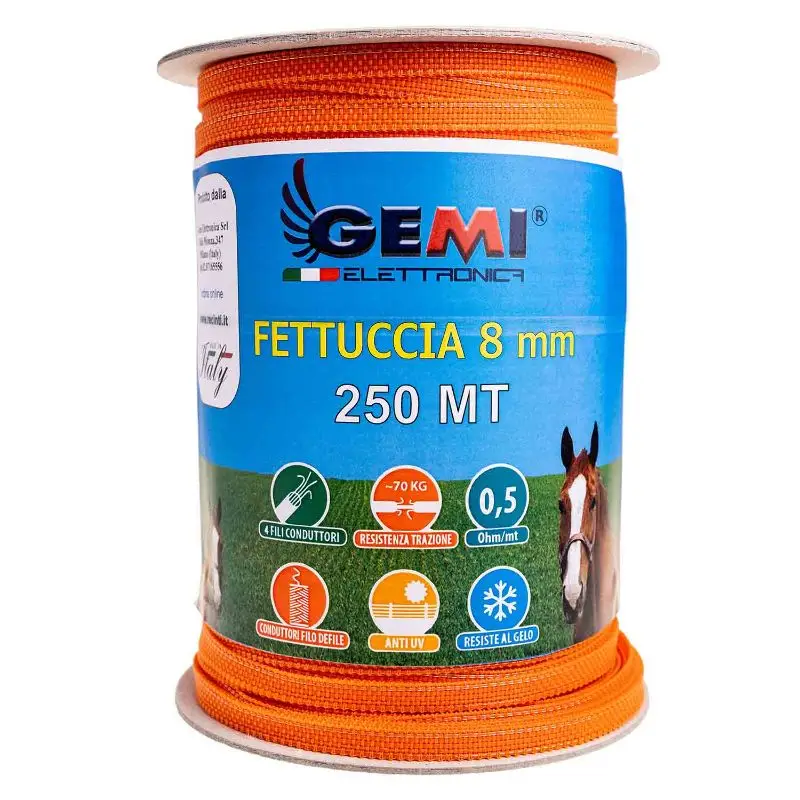
Electric Fence Wire or Electric Tape : These components act as the main conductors of the electric fence. Made of conductive material such as stainless steel, they carry electrical impulses along the perimeter of the fence. Electric tape, with its greater visibility, is a practical alternative to traditional wire.
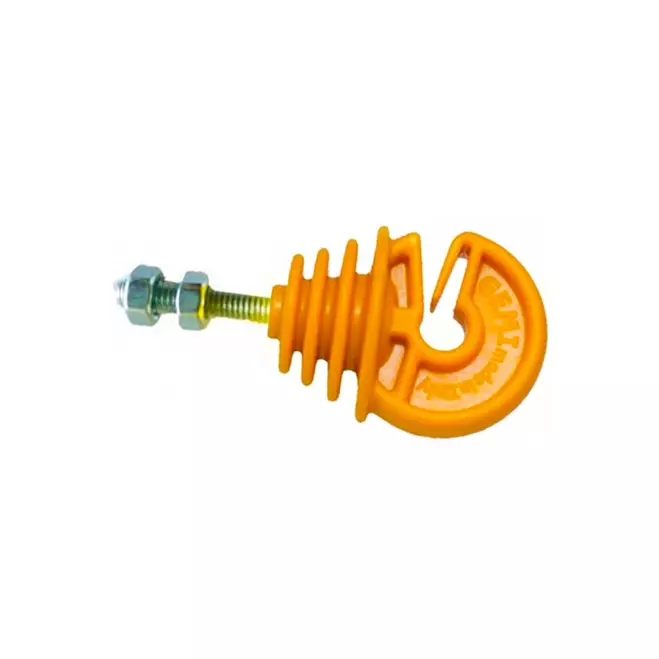
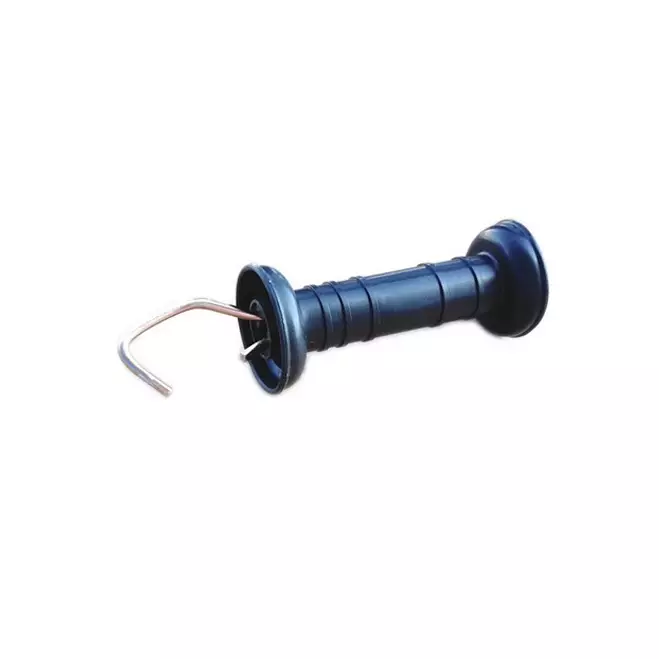
Insulators for Iron or Wooden Posts : Insulators are essential for keeping electrical wire or tape securely attached to fence posts. Made of durable plastic or other insulating materials, they prevent electrical current from leaking into the ground, ensuring effective flow along the entire length of the fence.
Tensioners and Reels : These components are essential for maintaining tension on electrical wire or tape. Tensioners allow you to tighten the wire, while reels facilitate winding and unwinding during installation and maintenance.
With proper installation and maintenance, a well-built electric fence provides an effective barrier against porcupines and other pests, protecting your garden and allowing your crops to grow healthy and safe.
Gemi products for building an electric fence
At the Gemi shop, our company, you can build your electric fence step by step with the help of experts in the sector. Are you wondering where to start? Let's get started right away!
First of all you need to decide the heart that allows the functioning of an electric fence, that is the energizer . Based on your needs you can choose between 5 different models:
220V electric fence energizer for fences up to 5 km;
220V energizer with more powerful current for fences up to 8 km;
12V/220V battery-powered energizer for fences up to 5 km;
12V/220V battery -powered energizer with 2 batteries for fences up to 5 km;
12V/220V battery- powered energizer with solar panel for fences up to 5 km.
Once you have chosen the energizer, we proceed with the construction of the fence; it will be delimited by wires that conduct electricity and here we will use electric wires or tapes . In our shop you will find 250 meter, 500 meter and 1000 meter reels, for each 3 different wire diameters in order to have a wide range and cover all your needs.
It is recommended to place a stake every 4 meters, so that the wire is always under tension. It does not matter whether the stake is made of iron or wood, we have both insulators for iron poles and insulators for wooden poles available .
It is also important to report the presence of an electric fence and to do this it is recommended to put up a visible sign .
Why choose Gemi?
Free returns within 100 days;
Free shipping within 24/72 hours for orders over €99;
All products are made by us in Italy with the highest quality raw materials;
All products comply with the standards and have certification;
We have over 5000 reviews on Trustpillot, the world's largest review portal;
We have almost 1000 video reviews on TrustVideos.
At Gemi, we stand out from the competition thanks to our nearly 50 years of experience in the sector and our ability to offer fast and customized solutions based on the needs of each customer. We are always available 24/7 at +39 0287165556, via chat or via email.
Buy now at 69-recinto-elettrico .