



Corten Steel Fireplace Extractor: Features, Advantages and Peculiarities of this Innovative Material
Gemi Elettronica ·
What is Corten?
Corten is a special type of steel that has gained popularity for its unique aesthetics and distinctive features. Its full name is "Corten steel," but it is often simply called "Corten."
This material was developed in the 1930s by the American steel company United States Steel Corporation. Its chemical composition includes elements such as copper, nickel and chromium, which give the alloy its resistance to atmospheric corrosion.
What makes Corten so interesting is its ability to develop a surface oxide patina when exposed to the elements. This patina, formed naturally over time, not only protects the steel from corrosion, but also creates a very distinctive and aesthetically pleasing rusted appearance.
Corten steel is used in a variety of applications, including architecture, sculpture, landscaping and industrial design. It is especially popular in outdoor construction projects, such as bridges, residential and commercial buildings, public gardens and urban sculptures.
In addition to its aesthetic beauty, Corten steel is also appreciated for its durability and resistance to adverse weather conditions. However, it is important to note that although it is resistant to corrosion, the patina formation process can take time and may vary depending on the environment in which it is used.
In short, Corten is a unique material that combines aesthetics and functionality, offering creative and durable solutions for a wide range of applications in the world of design and architecture.
The features that make it unique
This material has some distinctive characteristics that make it unique:
Chemical Composition : Corten steel is primarily made of iron, but also includes a combination of other metals, such as copper, nickel, and chromium. These elements give the material its corrosion-resistant properties.
Patina Formation : When exposed to moisture and oxygen in the atmosphere, Corten steel develops a thin oxide patina on its surface. This patina acts as a protective layer, preventing further damage to the underlying structure and giving the steel its characteristic rusty color.
Unique Aesthetics : The rusty appearance of Corten steel is one of its most distinctive and appreciated characteristics. This material is widely used in architecture and design for its rustic beauty and ability to integrate harmoniously into natural and urban environments.
Durability : Despite its rusty appearance, Corten steel is incredibly strong and durable. The patina that forms on its surface acts as a protective barrier against corrosion and can significantly extend the life of the material.
Versatile Applications : Corten steel is used in a wide range of applications, including architecture, landscaping, sculpture, furniture, and public art. It is often used in the construction of bridges, residential and commercial buildings, fencing, wind screens, and more.
The advantages of using Corten
Corten is a material with multiple qualities that make it extremely advantageous for various uses:
Corrosion resistance : Its ability to resist atmospheric corrosion makes it ideal for applications exposed to atmospheric agents. The formation of a protective patina on its surface preserves it over time.
Strength : Corten steel is known for its strength and durability. Due to its structure, it requires minimal maintenance over the years.
Low Maintenance : Its durable nature greatly reduces the need for costly maintenance, helping to keep costs down in the long run.
Unique Aesthetics : Its distinctive rusty appearance adds a touch of originality and rustic charm to architectural and landscaping projects.
Flexibility of use : Corten can be used in many contexts, from the construction of buildings to street furniture and the creation of artistic works, thanks to its versatility and adaptability.
In conclusion, Corten stands out for its resistance to corrosion, its robustness, low maintenance, unique aesthetics and flexibility of use, making it a highly appreciated option for a wide range of projects and applications.
Corten vs Iron: What are the main differences?
Corten and iron are two distinct materials, each with its own characteristics and advantages:
Corrosion resistance : Corten stands out for its ability to resist atmospheric corrosion thanks to the formation of a protective oxide patina on the surface, while iron is subject to rust and corrosion when exposed to atmospheric agents.
Chemical Composition : While Corten is made of a special alloy that includes elements such as copper, nickel and chromium to improve corrosion resistance, iron is mainly made up of pure iron.
Durability : Corten, thanks to its resistance to corrosion, tends to be more durable over time than iron, which can rust and corrode more easily if not protected with anti-corrosion coatings or treatments.
Aesthetics : While Corten is known for its distinctive rusty look, which can be appreciated aesthetically in many design applications, iron can be more versatile in terms of finishes and can be painted or treated to achieve the desired look.
Applications : Corten is commonly used in architectural, landscaping and artistic projects requiring corrosion resistance and a rustic appearance, while iron is more commonly used in structural and manufacturing applications.
In conclusion, while both materials have their specific roles and applications, the main difference lies in Corten’s resistance to corrosion and its ability to develop a protective patina, making it more suitable for outdoor uses and projects that require greater durability over time.
Why is Corten so strong?
Corten is so resistant thanks to several factors that contribute to its unique properties:
Chemical Composition : Corten is a steel alloy specifically designed to resist atmospheric corrosion. Its chemical composition includes a combination of metals such as copper, nickel and chromium, which give the material greater resistance to corrosion than conventional steel.
Patina Formation : When exposed to atmospheric agents such as moisture and oxygen, Corten develops a thin oxide patina on its surface. This patina acts as a protective layer that protects the underlying steel from corrosion, contributing to its durability over time.
Self-regenerating : Once formed, the protective patina on Corten tends to regenerate naturally over time. Even if damaged or superficially removed, the patina can form through the oxidation process, maintaining the protection of the surface and prolonging the durability of the material.
Microscopic Structure : The microscopic structure of Corten contributes to its resistance to corrosion. The presence of specific alloys and the distribution of Corten steel grains improve its ability to resist the damaging effects of atmospheric agents.
Hardness and Toughness : Corten is also known for its hardness and toughness, making it suitable for a variety of applications where superior mechanical strength is required. These additional properties contribute to its overall strength.
How much does it cost to use Corten?
The cost of using Corten can vary based on several factors, including:
Quantity and Size : The cost will depend on the amount of material needed for the project and the specific size of the Corten components that need to be produced.
Supplier : Prices can vary between different Corten steel suppliers. Some may offer more competitive prices than others, so it is advisable to compare multiple suppliers to get the best price.
Finishes and Processing : If any special finishes or processes are required on the Corten steel, such as custom cutting, welding or surface treatments, these can affect the overall cost.
Shipping and delivery costs : Shipping and delivery costs may vary depending on the distance from the supplier and the size of the material to be transported.
Project Location : Costs may vary depending on the geographic location of the project, as prices for materials and services may differ from region to region.
Market Demand : The demand for Corten steel can influence the price of the material. In periods of high demand, prices may be higher, while in periods of low demand they may be lower.
To get a more accurate idea of the costs of using Corten for a specific project, it is advisable to request quotes from several suppliers and take into account all the factors mentioned above.
You may be wondering why we are talking about this new material never mentioned before…
Well we have great news for you...
Here is the GEMI 2024 news…
Gemi, for over 40 years, has specialized in the production and marketing of fireplace extractors with the aim of solving every problem of our customers, always keeping up with the times.
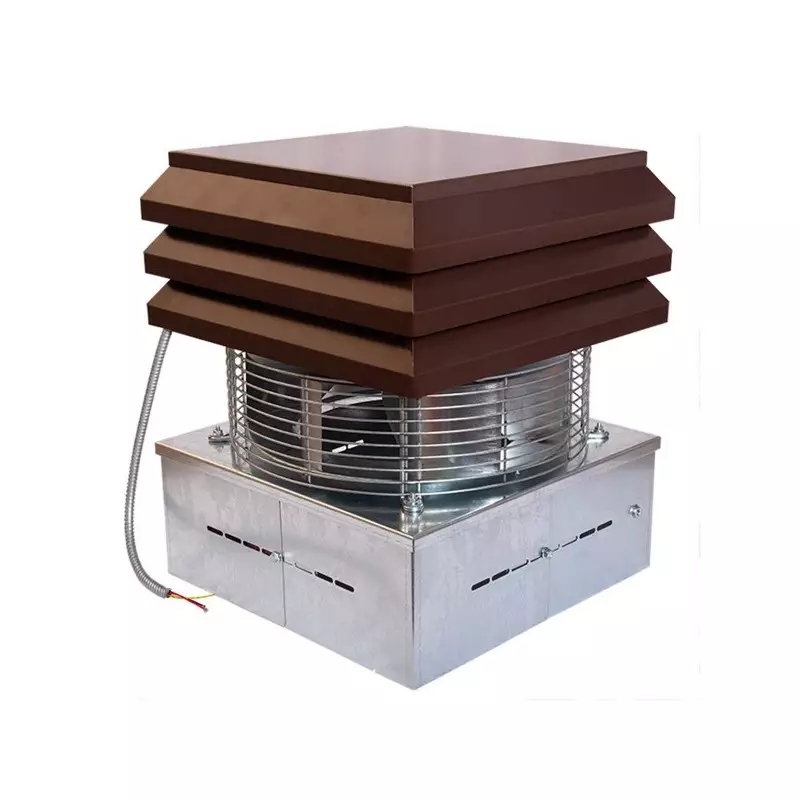
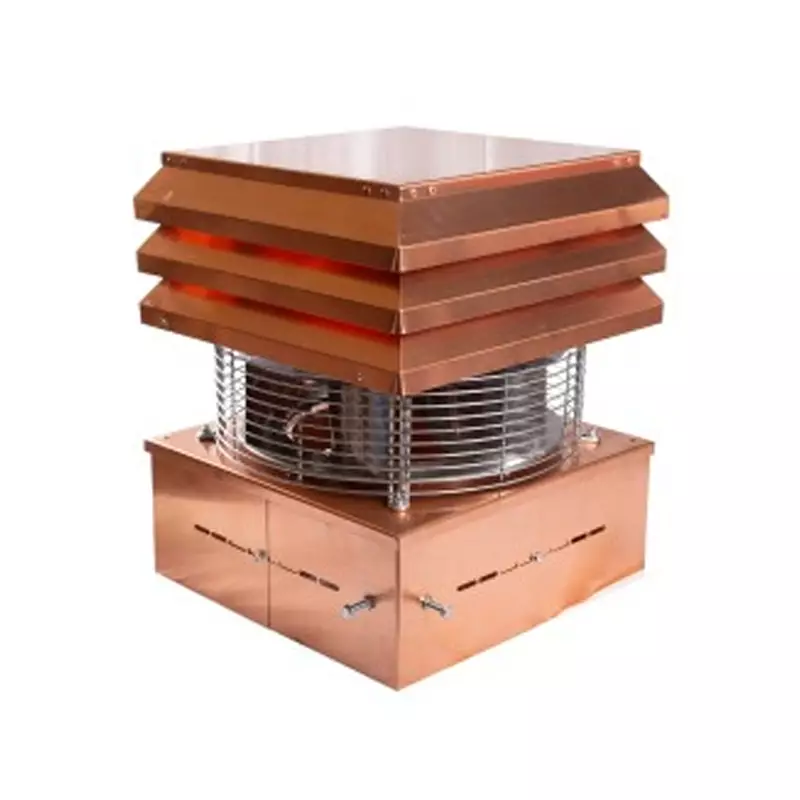
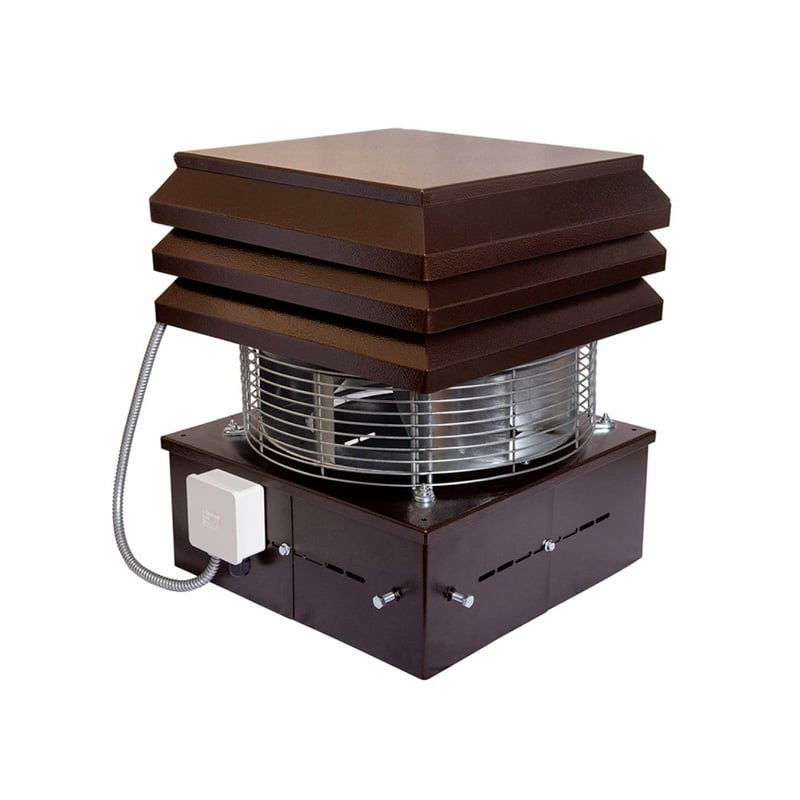
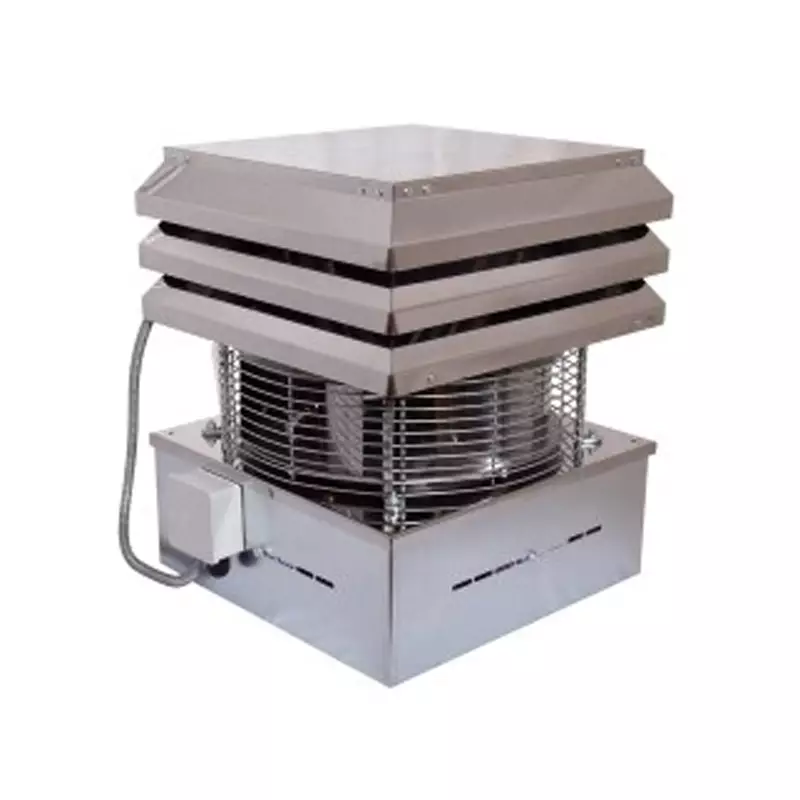
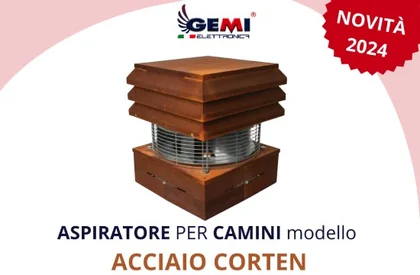
We are about to launch a new type of fireplace extractor, covered on the upper part by this material just described, Corten.
Initially we were very skeptical about using this material both in terms of finding the most reliable supplier and in terms of the cost of processing this material.
The result? We didn't want to believe it ourselves and yet we managed to come up with a resistant and robust fireplace extractor thanks to the new material but above all at a truly affordable price.
Are you curious to see this product? Buy it now on aspiratori/251-aspiratore-per-camino-corten-gemi.html