





Plastic Electric Fence Posts: Complete Guide to Use, Benefits and Considerations
Gemi Elettronica ·
Røgsuger: Gør Din Pejs Røgfri og Nyd Hyggen Hjemme
Plastic Electric Fence Posts: Complete Guide to Use, Benefits and Considerations
Electric fences are widely used in agriculture, livestock farming and land management to contain domestic and wild animals and to protect crops and property. One of the key elements of an electric fence system is the post, which supports and holds the electric wire to an appropriate height. Among the various types of stakes available on the market, plastic ones are an increasingly popular choice due to their lightness, durability and versatility.
In this article, we will explore plastic electric fence posts in detail. We will cover everything you need to know about them, from their main features to their benefits, the different types available, and considerations on how to choose and install the best posts. suited to your needs.
1. Introduction to Electric Fences
Before we delve into the specifics of plastic posts, it is helpful to understand the general operation and use of electric fences. An electric fence is a system that uses a low amperage electric current to create a physical and electronic barrier. This system is designed to discourage animals from crossing the fence line by delivering short electrical pulses that deliver a mild shock, sufficient to deter but not injure.
The main components of an electric fence include:
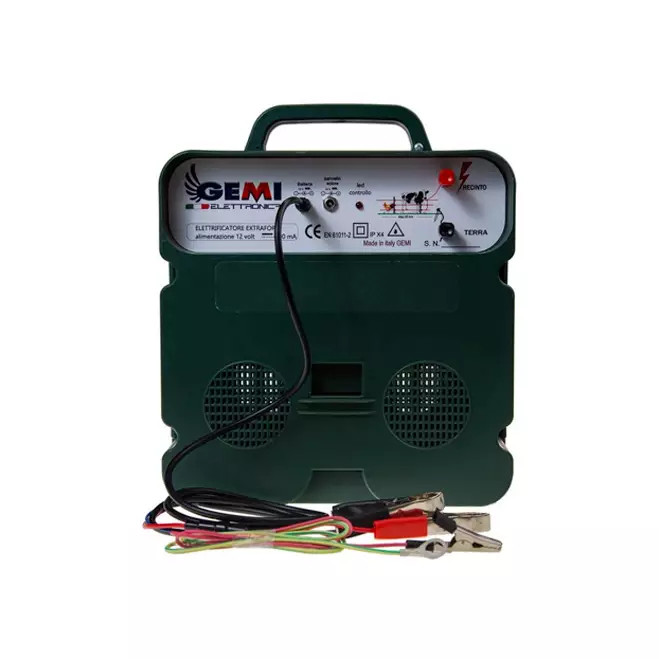
Electrifier : The device that generates the electrical impulse.
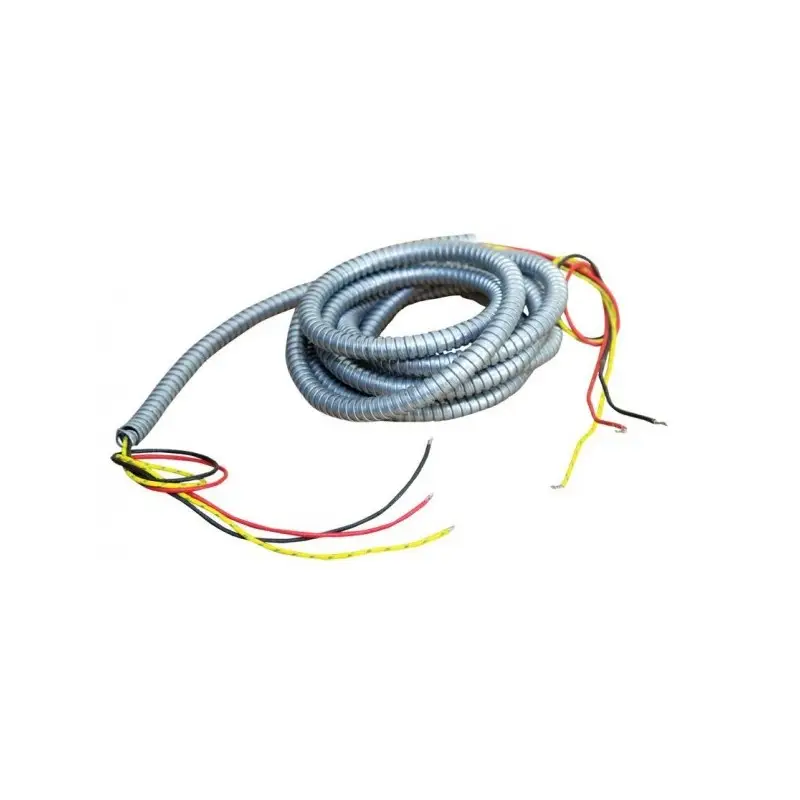
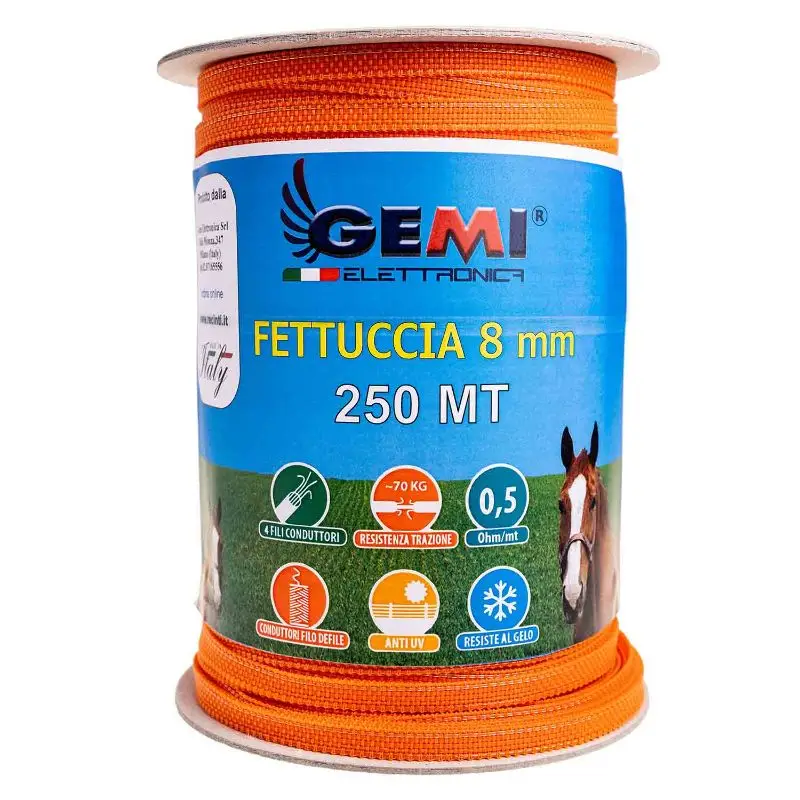
Conductor : Usually a wire, ribbon, or string that conducts electricity around the perimeter of the fence.
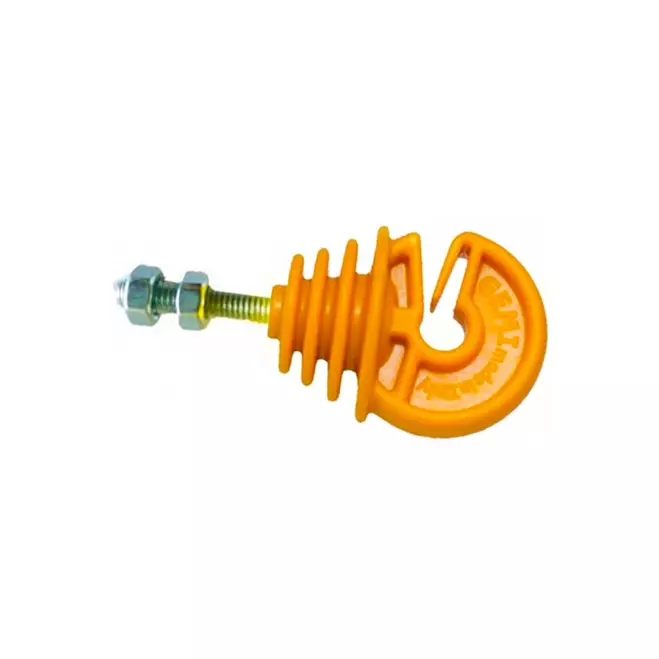
Insulators : Components that prevent current from leaking to the ground, keeping the electricity in the wire.
Stakes : Vertical supports that hold the conductor in place and keep it isolated from the ground.
2. Plastic Stakes: Main Features
Plastic electric fence posts are mostly made of durable plastic materials such as polypropylene or polyethylene. These materials offer many advantages over traditional wooden or metal posts, making them an excellent choice for a wide range of applications.
2.1 Lightness and Ease of Handling
One of the most appreciated features of plastic stakes is their lightness. This makes them much easier to transport and install than wooden or metal stakes. In addition, their handling does not require heavy equipment, which greatly simplifies the process of installation, even over long distances or on difficult terrain.
2.2 Durability and Weather Resistance
Plastic stakes are highly resistant to weather, corrosion and UV rays. While wooden stakes can rot and metal stakes can rust over time, plastic maintains its structural integrity for years. This makes plastic stakes ideal for permanent or temporary installations, both in harsh climates and humid environments.
2.3 Natural Insulation
Another significant advantage of plastic posts is their natural insulation. Unlike metal posts, which require additional insulators to prevent current leakage, plastic posts are already insulating by nature. This reduces the need for additional components. and makes electric fence installation easier.
2.4 Flexibility and Adaptability
Plastic posts are available in a wide range of lengths, thicknesses and colours. This makes them extremely versatile and suitable for a variety of fencing configurations. Whether you need to contain livestock, secure a garden or demarcate a private area, there is a type of plastic stake that can meet specific needs.
3. Types of Plastic Stakes
There are several types of plastic posts, each designed for specific applications and conditions. The main types of plastic posts used in electric fences are described below.
3.1 Temporary Bollards
Temporary posts are lightweight and easy to install and remove. They are typically used for portable fencing or seasonal boundaries, such as rotational grazing or temporary land management. These posts are typically equipped with one or more rings or hooks for securing the electric wire at different heights.
3.2 Permanent Stakes
Permanent posts are designed for long-term installations. They are sturdier and often longer than temporary posts, with a base that can be driven deeper into the ground for added stability. These posts are ideal for permanent fences that need to last for many years, such as those used for livestock containment.
3.3 Spiral Stakes
Spiral posts are characterized by a helical structure that allows for very quick installation, even on hard or stony ground. Their shape allows them to be screwed directly into the ground, without the need for additional tools. These posts are ideal for temporary fences, where Speed of assembly and disassembly is essential.
3.4 Metal Tip Stakes
Some plastic stakes have a metal tip to make them easier to insert into the ground. This type of stake combines the lightness of plastic with the strength of metal, offering greater versatility in difficult terrain.
4. Advantages of Plastic Stakes over Other Materials
In the context of electric fencing, plastic posts offer several advantages over posts made of other materials, such as wood or metal. Here are some of the main advantages:
4.1 Longer Life
As mentioned, plastic posts do not rot, rust, or degrade easily from the elements. This makes them an excellent choice for long-term installations, reducing maintenance and replacement costs over time.
4.2 Cost-Competitiveness
While the initial cost of plastic posts may be a little higher than other options, their durability and lower maintenance make them more cost-effective in the long run. Additionally, ease of installation can reduce labor costs.
4.3 Security
Plastic posts, thanks to their natural insulation, eliminate the risk of short circuits or electrical leakage that can occur with metal posts. This contributes to a safer and more reliable fencing system.
4.4 Versatility
Plastic posts can be used for a wide range of applications, from temporary to permanent installations, on any type of terrain. The variety of sizes and designs available make them adaptable to any fence configuration.
5. Installing the Plastic Stakes
Installing plastic posts is a simple process that can be completed quickly, even without previous experience. However, there are some basic steps to follow to ensure proper installation and optimal performance of your electric fence.
5.1 Planning the Enclosure
Before starting the installation, it is essential to plan the path of the fence. Identify the points where the posts will be positioned, considering the characteristics of the terrain and the obstacles present. It is also important to determine the distance between the posts, which varies depending on the type of enclosure and animals to be contained.
5.2 Positioning the Stakes
Once the route has been planned, the stakes are positioned. For temporary stakes, simply push them into the ground with your hand or a rubber mallet. For permanent stakes, you may need to dig small holes or use a special tool. for insertion.
5.3 Fixing the Wire
After placing the stakes, the electric wire must be secured using the hooks or insulators on the stakes. It is important to ensure that the wire is taut and does not touch the ground or vegetation, to avoid current leakage.
5.4 System Verification
Once the installation is complete, you need to check that the electric fence system is working properly. Use an electric fence tester to check that the voltage is evenly distributed around the perimeter of the fence.
6. Maintenance and Durability Over Time
Plastic posts require little maintenance, but there are some best practices that can extend their life and ensure the fence functions properly.
6.1 Periodic Check
It is advisable to carry out periodic checks of the fence, especially after extreme weather events or after long periods of use. Check that the posts are still firmly in the ground and that the electric wire is in good condition.
6.2 Cleaning
If the posts have been exposed to mud, vegetation, or other debris, it may be helpful to clean them to maintain a neat appearance and prevent the buildup of materials that could affect the effectiveness of the fence.
6.3 Replacing Damaged Poles
Although plastic posts are very durable, they can still be damaged by heavy impacts or misuse. It is important to replace damaged posts immediately to maintain the integrity of the fence.
7. Final Considerations
Plastic posts for electric fences are a modern and efficient solution for those looking for a durable, safe and easy to install containment system. Thanks to their resistance to atmospheric agents, natural insulation and versatility, these posts are suitable for a wide range of applications, from agricultural to residential installations.
When choosing a plastic fence, it is important to consider the specific needs of your project, taking into account the type of soil, climate and animals to be contained. Proper planning and installation, followed by regular maintenance, will ensure that the fence electric function properly for many years to come.
In conclusion, investing in high quality plastic posts, such as the Gemi Elettronica plastic post can make the difference between an effective fencing system and one that requires constant repairs and replacements. With a wide range of options available, you can find the perfect product for any need, ensuring the protection of your crops, animals and property in the most efficient and long-lasting way possible.