




Complete Guide to Solar Electric Fence: What It Is, How It Works and Why Choose Ours by Gemi Elettronica
Gemi Elettronica ·
Røgsuger: Gør Din Pejs Røgfri og Nyd Hyggen Hjemme
Complete Guide to Solar Electric Fence: What It Is, How It Works and Why Choose Ours by Gemi Elettronica
Solar electric fences are an increasingly popular solution for managing and protecting livestock or keeping wild animals out of certain areas. In this article, we will explore in detail what solar electric fences are, how they work, their benefits, and considerations to consider. do before installing one.
What is a Solar Electric Fence?
A solar electric fence is a system that uses solar energy to power an electric fence. This type of fence is mainly composed of a solar panel, a rechargeable battery, an energizer (or power box), and the fence wires. The system It is designed to deliver an electric shock to animals that come into contact with the fence wire, acting as a deterrent to prevent passage.
How Does a Solar Electric Fence Work?
The operation of a solar electric fence is based on a simple but effective cycle:
Solar Energy Capture : During the day, the solar panel captures the sun's energy and converts it into electricity.
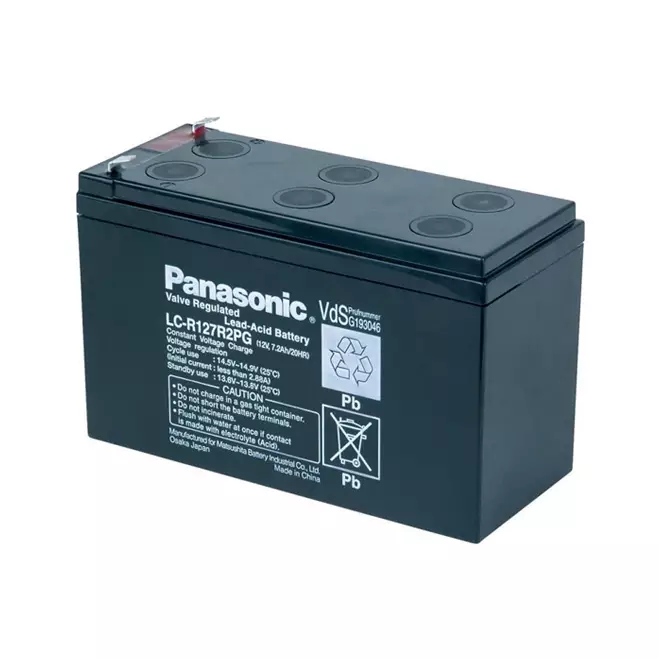
Energy Storage : The collected energy is stored in a rechargeable battery, which ensures that the system can work even at night or during cloudy days.
Fence Energization : The stored energy is sent to the energizer, which increases the voltage and sends it to the fence wires.
Electric Shock Output : When an animal touches the wire, it closes the circuit between the ground and the wire, causing a brief, harmless electric shock that discourages the animal from attempting to cross the fence.
Advantages of Solar Electric Fence
Energy Efficient : Using solar energy, these enclosures reduce the need for external power sources, making them ideal for remote areas.
Sustainability : Solar electric fences are eco-friendly, as they use a renewable energy source and do not require fossil fuels.
Low Operating Costs : After the initial investment, operating costs are minimal since you do not need to pay for electricity.
Ease of Installation : Being self-contained and portable, solar electric fences are easy to install and move, offering great flexibility for managing livestock or crops.
Reliability : Modern lithium or lead-acid batteries offer a long life, ensuring that the fence remains operational even in adverse weather conditions.
Considerations Before Purchasing
Fence Size : The length of the fence will determine the power needed for the solar system and energizer. It is important to calculate the length of the wire correctly to ensure the energizer is adequate.
Solar Exposure : Making sure your solar panel is placed in an area with good sun exposure is crucial to the proper functioning of your system.
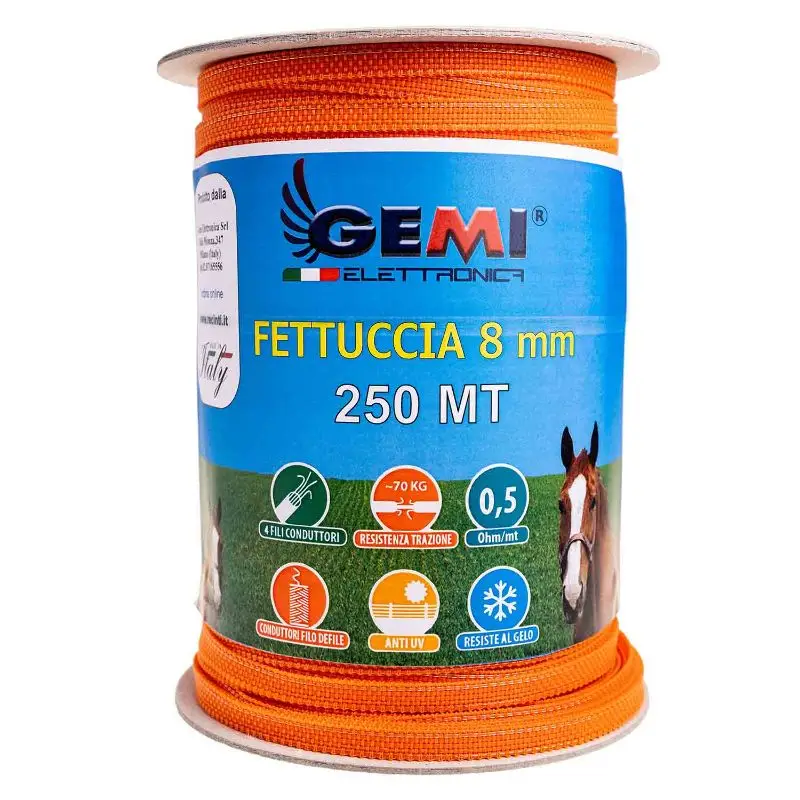
Type of Animals : The choice of cord and the wattage of the energizer depend on the type of animals you want to contain or exclude. For example, animals with thick fur may require a higher voltage.
Maintenance : Although solar electric fences require little maintenance, you still need to regularly check the condition of the solar panel and battery, as well as the tension of the wire.
Budget : The initial cost of a solar electric fence may be higher than traditional fencing, but it is important to consider the long-term savings in energy costs and maintenance.
Installation and Maintenance
Installing a solar electric fence requires a few key steps:
Planning : Draw a plan of the perimeter to be fenced and calculate the total length of wire needed.
Mounting the Solar Panel : Place the solar panel in an area that receives direct sunlight for most of the day. Mount it securely on a pole or suitable stand.
System Connection : Connect the solar panel to the battery and then to the energizer. Next, connect the fence wires to the energizer.
System Test : Before leaving the fence operational, test the wire voltage with a voltmeter to ensure the system is functioning properly.
Regular Maintenance : Periodically check the solar panel to ensure it is clean and free from obstructions. Check the fence voltage and replace any worn components.
Materials Needed for a Solar Electric Fence
To build a solar electric fence, you need to get the right materials, which are divided into different categories. Here is an overview of the main categories of materials needed, taking inspiration from the products available on Gemimarket :
1. Solar Energizer
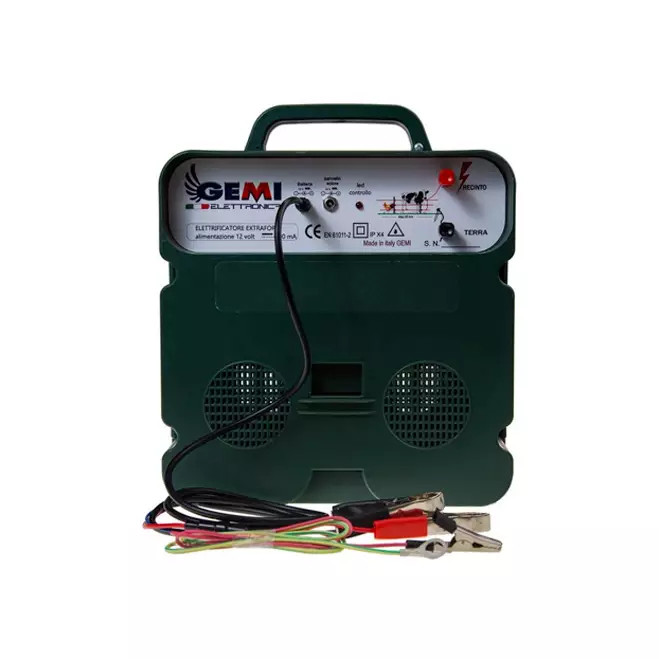
Solar energizers are the heart of the system. This device converts solar energy into electrical impulses, which are needed to power the fence. Solar energizers can have different powers and capacities, depending on the length of the fence and the type of animals you intend to use. contain
2. Insulator
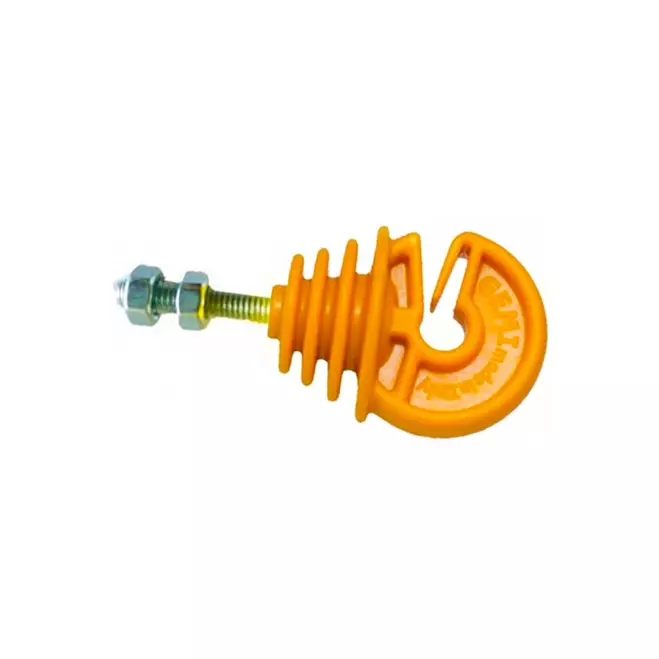
Insulators are essential for keeping the electrified wires and tapes separated from the support posts, thus preventing current leakage. They are available in different models, adaptable to the various types of posts and fence structures.
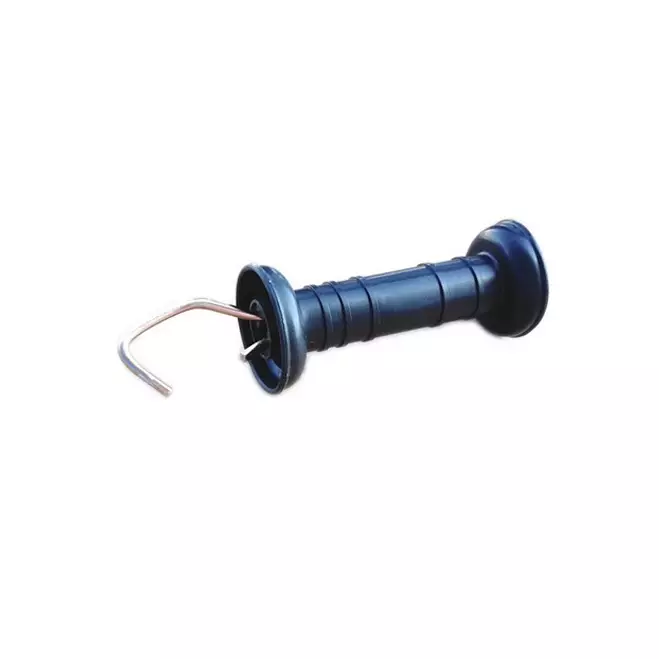
3. Handle Kit
A patrician kit containing 2 double hook insulators for any type of electric fence
5. Support Poles
The support posts hold up the entire system and can be made of wood, plastic or metal. The choice of material depends on the terrain and whether the fence is temporary or permanent.
6. Accessories and Tools
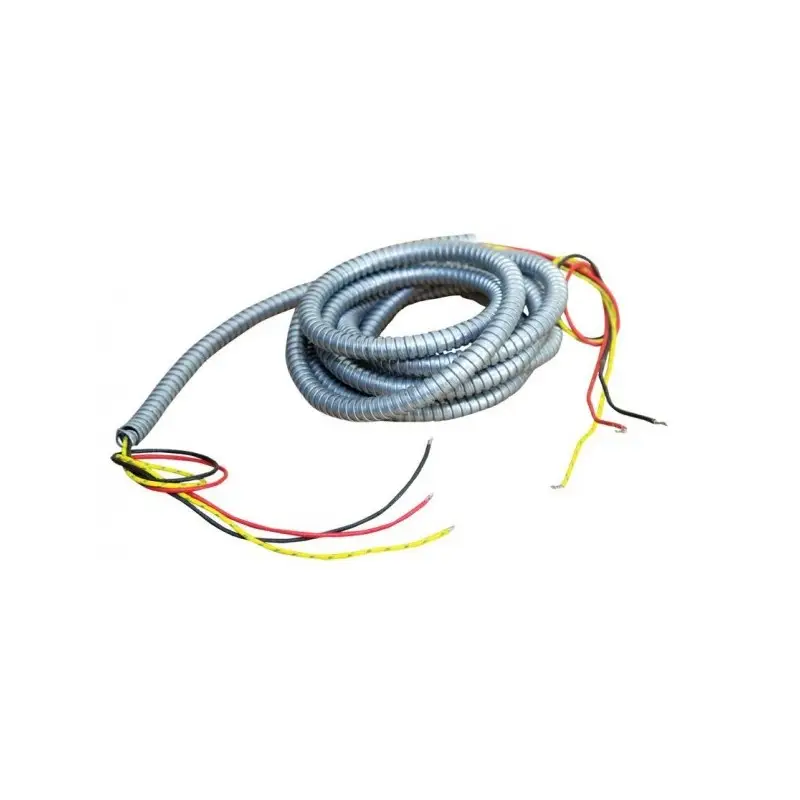
To complete the installation, you will need various accessories such as tension testers, connectors, tension springs, and insulating handles. These tools help ensure proper installation and maintenance of the fence.
Conclusion
The perfect synthesis of innovation, quality and sustainability is contained in the solar electric fence by Gemi Elettronica which represents the ideal choice for those looking for a reliable solution for the management and protection of animals. With their combination of high technology, ease of installation and durability, our products offer exceptional value, ensuring the safety of your livestock and crops. Choosing GEMI means investing in quality and peace of mind, with the security of technical support always available to meet your every need.