




Complete Guide to Electric Fence Maintenance: Essential Tips and Practices by Gemi Elettronica
Gemi Elettronica ·

Complete Guide to Electric Fence Maintenance: Essential Tips and Practices by Gemi Elettronica
A well-functioning electric fence is essential for ensuring the safety and control of domestic and wild animals. However, like any system, an electric fence also requires regular maintenance to maintain its efficiency over time. In this article, we will explore essential maintenance practices to ensure that your electric fence operates at its peak capacity, effectively protecting your land or animals.
Why Electric Fence Maintenance is Important
Regular maintenance of an electric fence not only prolongs the life of the system, but also ensures that it is functioning optimally, avoiding costly breakdowns or inefficiencies. A poorly maintained fence can lead to a variety of problems, such as reduced voltage, short circuits, and even the escape of the animals it is supposed to contain.
Fundamental Steps for Effective Maintenance
Voltage Control
Voltage is the heart of an electric fence. A drop in voltage can compromise the effectiveness of the system. It is advisable to carry out weekly checks using a voltage tester to ensure that the levels are adequate, however you can also check if there is current on the electric fence by using an insulated copper wire. One end should be placed in the ground with a nail, the other end should be close to the wire. Every mm of distance is 3000 volts, so if you see the electric arc 3 mm between the fence wire and the copper wire, it means that there is 9000 volts on the fence. Wild boars won't get through! If the voltage is low, there may be problems with the installation of the energiser, the electric wire or the insulators.
1. Checking the energizer
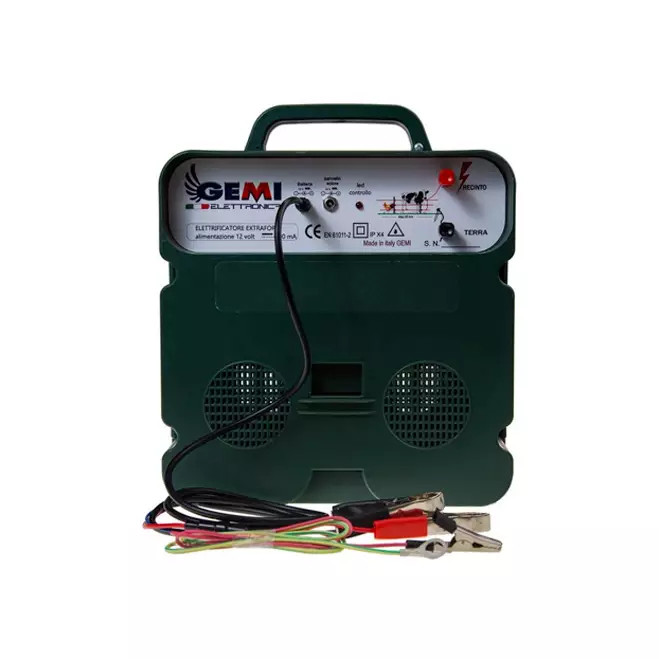
The energizer must be indoors and not exposed to the elements to avoid damage over time. It can be installed outdoors but must still be covered.
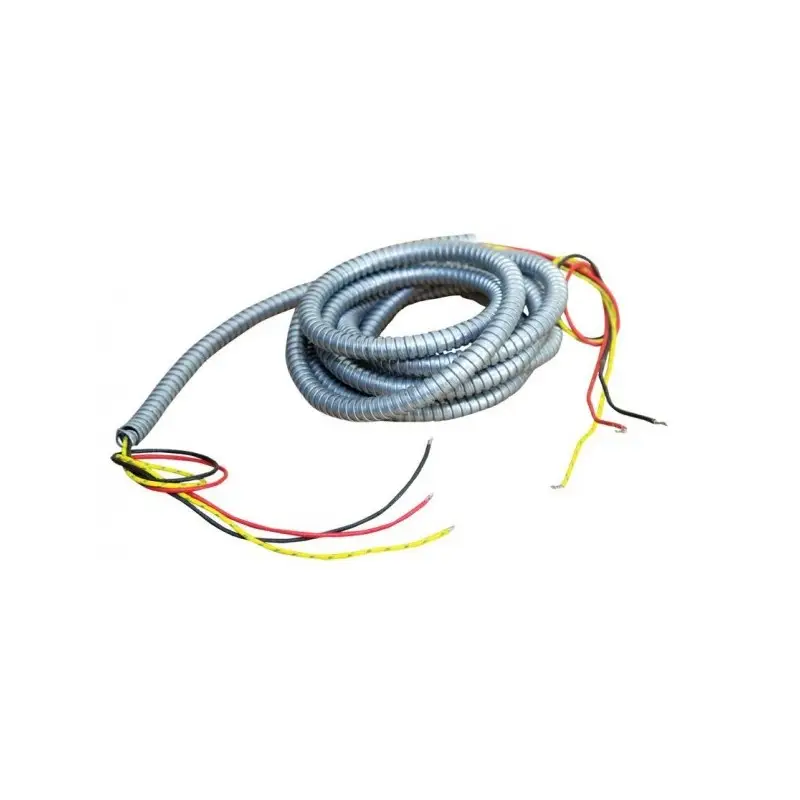
The two wires that come out of the energizer (the cable that carries the current and the grounding cable) must travel separately, without ever meeting. If they are joined together in a single sheath, the current will not reach the fence. The cable that carries the current must be insulated with, for example, a polyethylene tube used for irrigation. Having a certain thickness, it is able to insulate the cable so that the current reaches the fence.
2. Inspection of Electrified Wires and Tapes
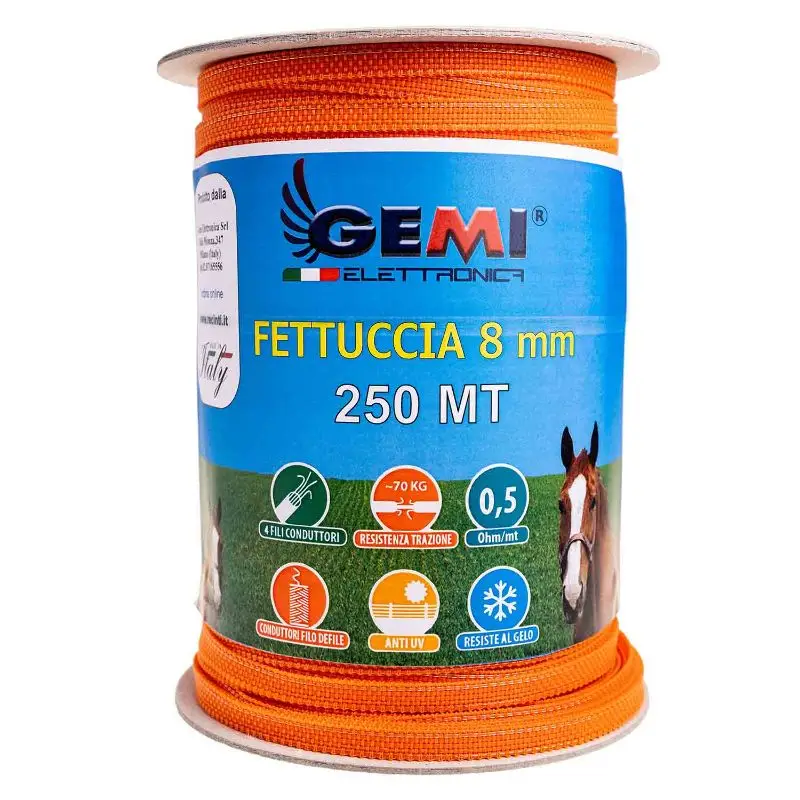
Electric wires and tapes are exposed to the elements and can become damaged over time after years. Inspect the wires regularly to ensure there are no breaks, abrasions or signs of rust. The wire or tape must pass through the insulators without double-looping, also called dead-looping, otherwise it will cause problems with the electric fence. Wire has a spring effect and will never break. If the insulator is double-looped, the spring effect no longer occurs and it will break.
3. Checking the Grounding
The grounding should be done with 3 galvanized posts of 1 m each, positioned 3 meters apart and connected with yellow-green cable. Effective grounding is crucial for the functioning of an electric fence. Periodically check that the grounding posts are well inserted and that there is no accumulation of rust or corrosion. In case of dry or rocky ground, it may be necessary to wet the ground with a bucket of water.
4. Cleaning the Insulators
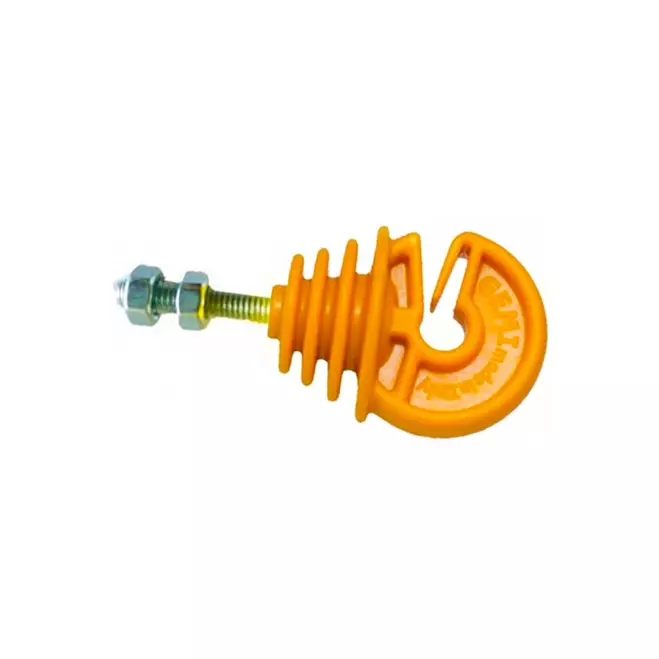
Insulators are responsible for keeping the electrified wires separate from the support poles. Vegetation build-up on insulators can cause current leakage. Make sure they are well positioned on the poles and that the wire is routed correctly.
5. Vegetation Management
Vegetation growing around the electric fence can interfere with the electrical current. Tall grass, branches and leaves can create short circuits, reducing the effectiveness of the system. It is advisable to keep the area around the fence clean, regularly cutting the vegetation.
Advanced Solutions for Simplified Maintenance
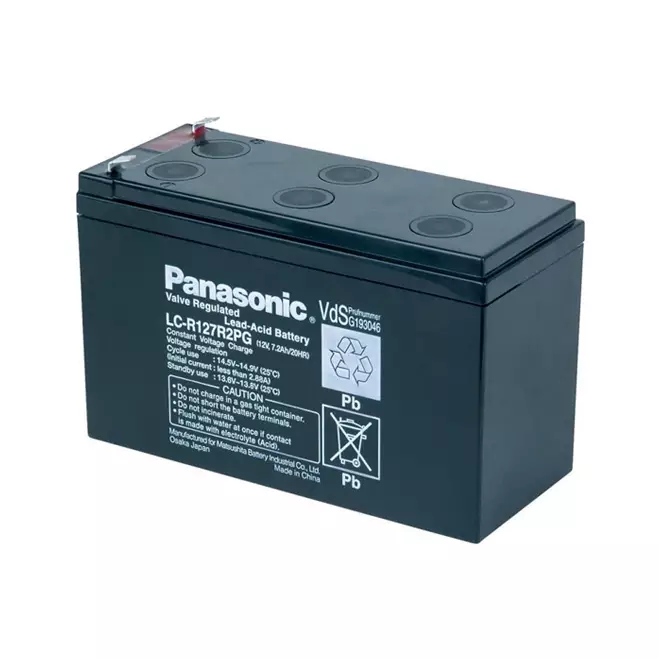
For those who want to further simplify the maintenance of their electric fence, Gemi Elettronica products offer several advanced solutions. Gemi Elettronica systems are designed with cutting-edge technologies that reduce the need for frequent interventions. For example, our energizers are equipped with high-efficiency materials and long-lasting batteries, from the dual-power battery energizer to the extra-strong E/220 Energizer , minimizing problems related to charging and voltage. In addition, our insulators and wires are made of high-quality materials, resistant to atmospheric agents and designed to last over time.
Preventive Maintenance: An Investment for the Future
Preventive maintenance is the best approach to ensuring your electric fence is always working at its best. A small investment of time in regular maintenance can prevent costly breakdowns and prolong the life of the system. Scheduling regular checks, at least once a month, can make the difference between a fence that is always effective and one that needs frequent repairs, including maintenance of high voltage cables , electric wires for animals and smaller details such as ring insulators for iron posts and insulators for wooden posts .
Conclusion
Keeping an electric fence in tip-top condition requires attention and care, but the benefits in terms of safety and security are invaluable. By implementing these simple maintenance practices, you can ensure that your system works to its maximum capacity, effectively protecting your livestock or property. And for those looking for the best in terms of quality and reliability, Gemi Elettronica products are an excellent choice, designed to last over time and require minimal maintenance effort.