




How to Electrify a Fence: The Complete Guide to Installing Your Own Electric Fence
Gemi Elettronica ·

Electrifying a fence is the ideal solution for those who want to protect their land, vegetable garden, livestock or country house from wild animals (wild boars, foxes, wolves) or prevent the escape of domestic and grazing animals (cattle, horses, dogs). Unlike traditional fences, an electric fence creates an active and dissuasive barrier , extremely effective but safe, in full compliance with European regulations.
In this guide, we will see how to properly electrify a fence , starting from the essential materials up to the installation. The recommended products are all available in the professional range of Gemi Elettronica , an Italian company leader in the production of solutions for electric fences.
Why Electrify a Fence?
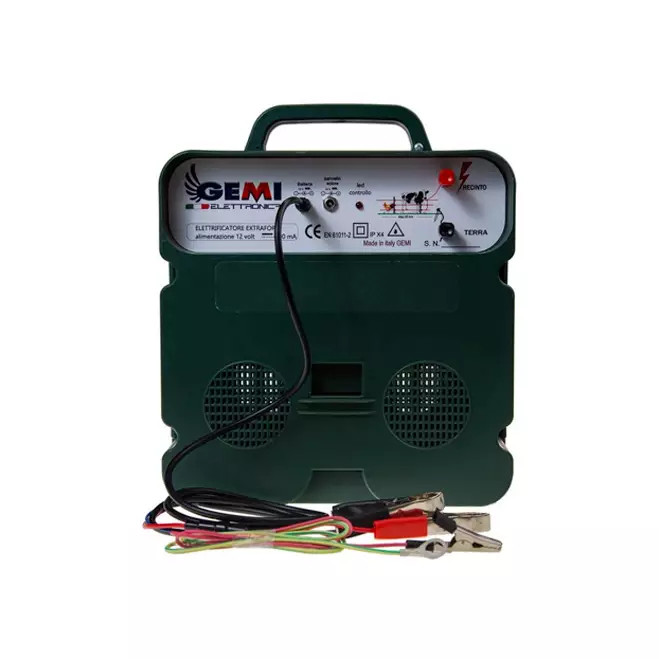
An electric fence works by means of a wire that carries intermittent electrical pulses of high voltage but very low amperage . When an animal or person comes into contact with the wire, they receive a shock that is not dangerous , but sufficient to discourage further attempts to cross.
Main advantages:
✅ Effective deterrent for wild and domestic animals
✅ Reduction of damage to crops, gardens and fences
✅ Easy installation even on your own
✅ Low maintenance over time
What Do You Need to Electrify a Fence?
Electrifying a fence requires some fundamental components , each of which plays an essential role in the correct functioning of the system. Below is an overview with links to the categories available on Gemi Elettronica :
1. Electric Fence Wires
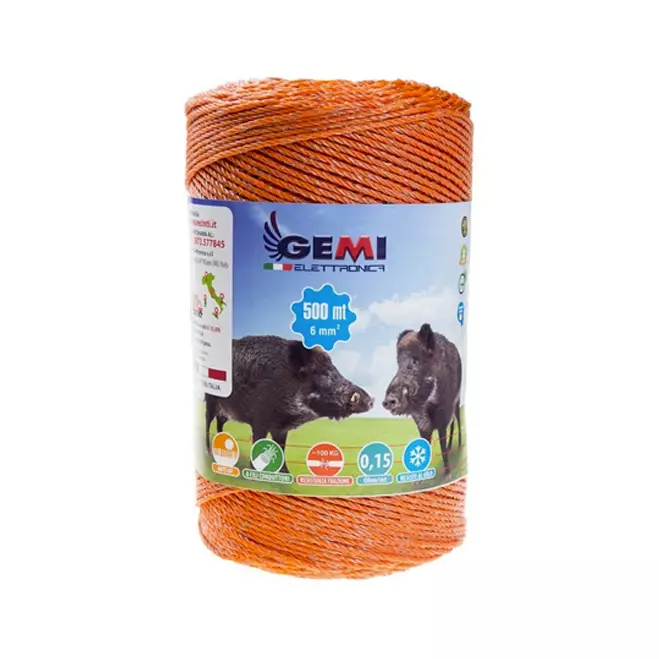
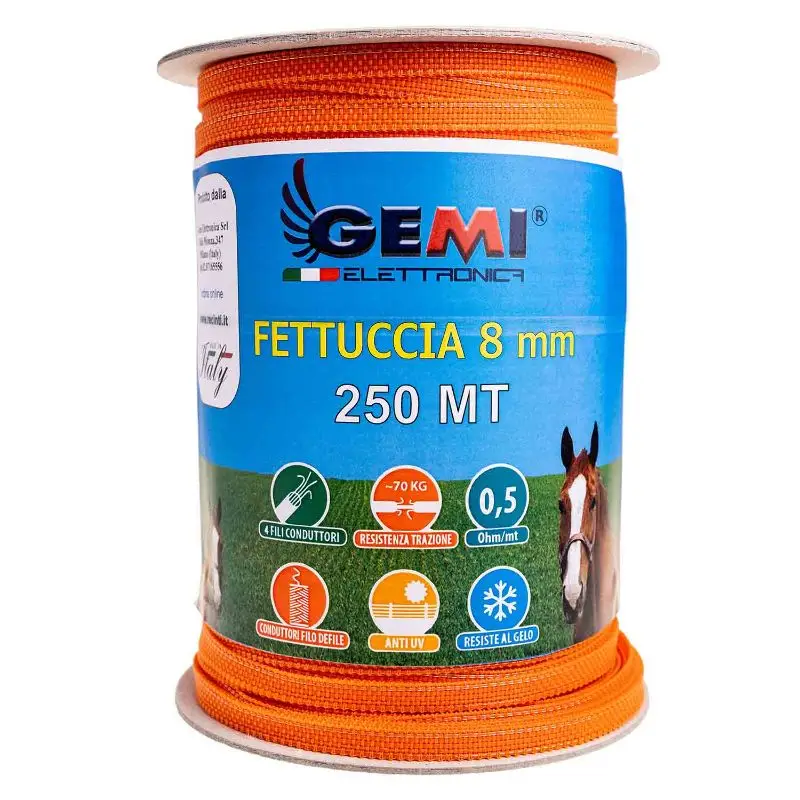
The conductor wires are the key element of the system. They must be resistant to atmospheric agents and ensure good electrical conduction.
Galvanized steel wires: high mechanical resistance
Copper wires: greater electrical conductivity
Multifilament ropes: flexible, also suitable for horses
? Available in different thicknesses and spools up to 1000 meters.
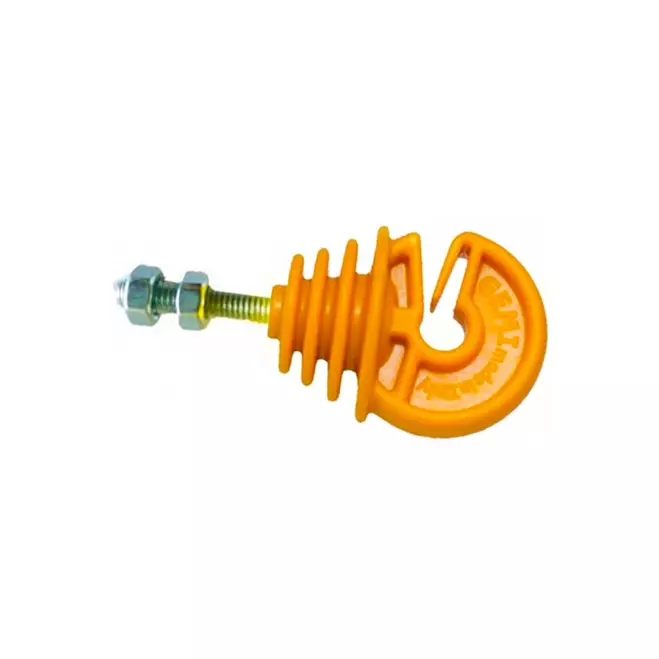
2. Electric Fence Insulators
Insulators prevent the wire from directly touching the poles (wooden or iron), avoiding current dispersion.
Screw insulators for wooden poles
Insulators for iron poles with support
Templates for corners, gates or multiple lines
?️ Resistant to UV rays and humidity, they are easy to install and guarantee efficiency over time.
3. Electric Fence Posts
The posts support the structure of the fence and define its perimeter. Their stability is essential to keep the wires in constant tension.
Galvanized iron posts: durable and stable
Plastic poles for temporary or mobile installations
Variable height from 75 cm up to 150 cm
We recommend a distance between posts of 4–5 metres to ensure stability and correct tension.
4. Earthing System
Often overlooked, grounding is essential to the proper functioning of the fence . Without a good ground system, the current will not return to the generator and the pulse will lose its effectiveness.
Galvanized pegs 1 m or more
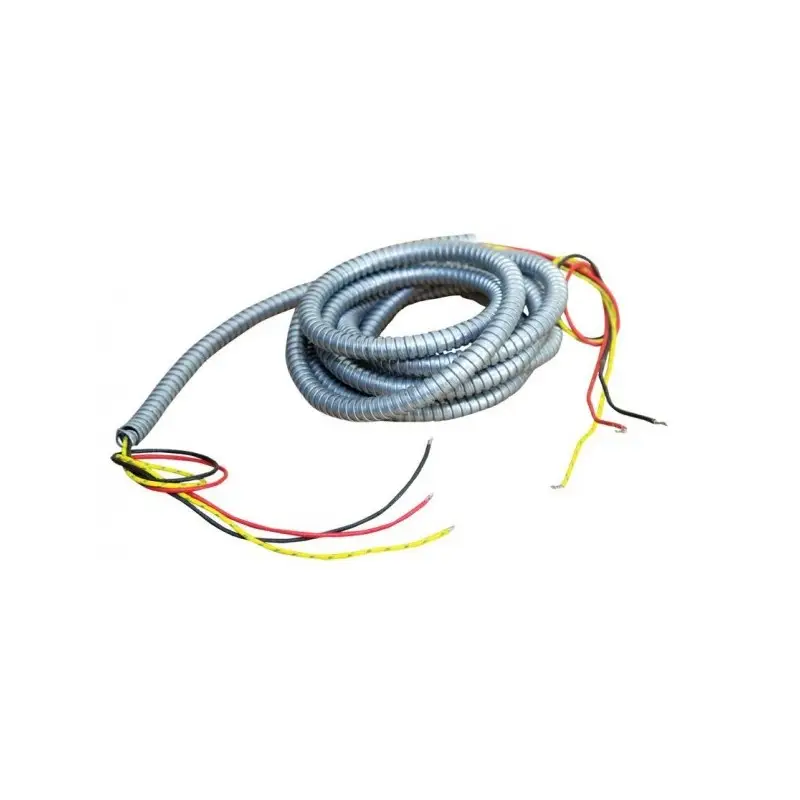
Terminals and connecting cables
Accessories for a 1, 2 or 3 stake system
?️ The soil must always be moist: in case of dry soil, it is advisable to install more pegs to increase dispersion.
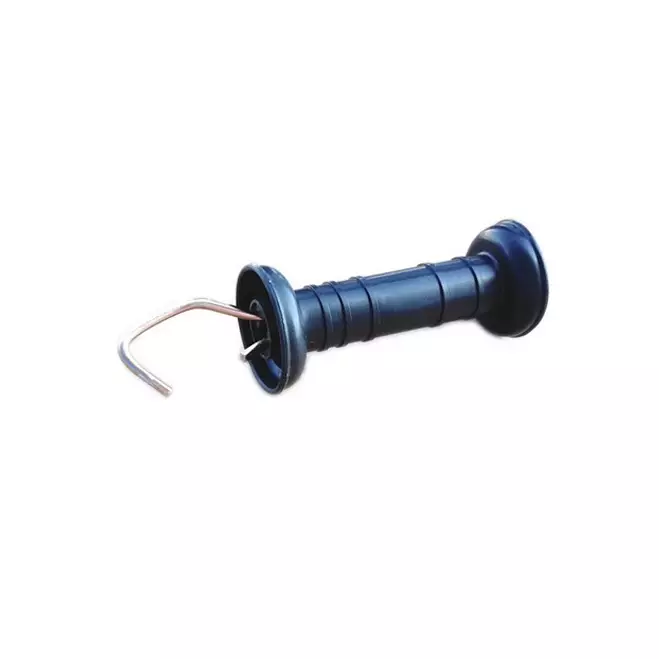
5. Electric Fence Accessories
To complete the system, Gemi Elettronica offers a series of professional accessories that make installation simple, safe and personalized.
Voltage Control Tester
Electric gate handles
Conductor Wire Splices
Danger signs
? Each accessory is compatible with other Gemi components, ensuring an integrated and professional system.
Installation Steps: How to Proceed
1. Plan the perimeter
Map the area to be protected and determine how many wires will be needed (e.g. 1 for wild boar, 2–3 for horses or cattle).
2. Install the poles
Bury the posts at regular intervals, reinforcing the corners and curves with sturdier posts.
3. Apply the insulators
Attach the insulators to the posts in the desired position, based on the height of the animals to be contained or repelled.
4. Tighten the threads
Secure the wire to the insulators while maintaining good tension, without overdoing it to avoid breakages.
Connect the ground
Drive the stakes and attach the copper or steel return wire to the fence frame.
? Caution: Make sure that no wire touches vegetation or uninsulated metal parts. This can cause current leakage and loss of effectiveness.
Maintenance and Checks
Once installed, the electric fence requires little maintenance , but it is important:
Remove tall grass near the wire to avoid dispersion
Check the voltage periodically with a tester
Check the tightness of the wires and the solidity of the poles
Tip: Place warning signs on the electrified perimeter, which is required by law for areas accessible to the public.
Conclusion
Electrifying a fence with the right components means obtaining a safe, efficient and long-lasting system , suitable for both agricultural and residential contexts. Thanks to the experience and quality of Gemi Elettronica 's materials , you can create your system independently and with professional results.
Discover all the categories in the section dedicated to Electric Fence and create your customized system in a few simple steps.
Need technical support to set up your system? The Gemi team is always available by phone, email or WhatsApp!