




How much power does an electric fence use? Everything you need to know
Gemi Elettronica ·

In the world of livestock farming, security, and management, electric fences have become an indispensable solution for keeping animals within a confined area or keeping predators and intruders at bay. However, one of the most frequently asked questions among users—or potential users—is the power consumption of these devices. In an era where energy efficiency is increasingly paramount, it's fair to ask: how much energy does an electric fence really consume?
The operating principle
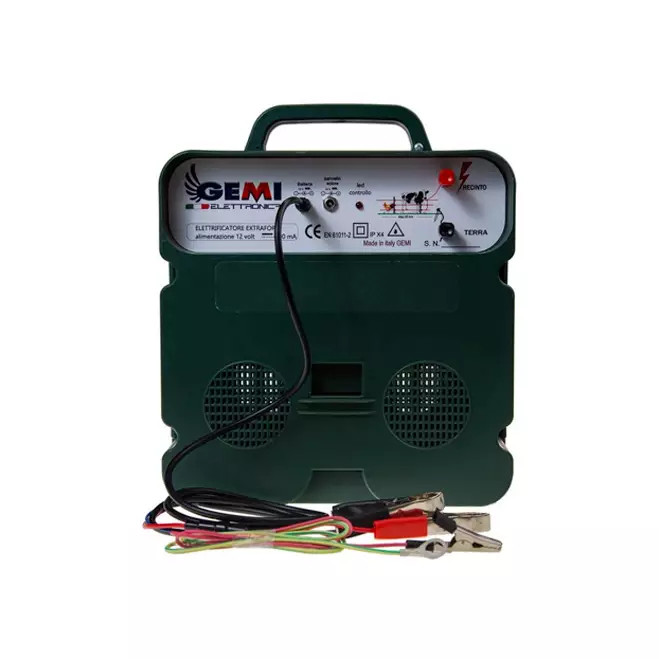
An electric fence works with an energizer , a device that converts electricity (from the mains or a battery) into high-voltage pulses. These pulses run along the fence's conductor wire, ready to deter any unwanted contact. The pulse is not continuous, but occurs at intervals of about a second: this allows for limited power consumption , preventing energy waste.
Real consumption: low but effective
Contrary to what you might think, a fence energizer consumes extremely low energy . On average, a quality device consumes between 3 and 10 watts per hour , depending on the power, the length of the fence, and any vegetation that may interfere with the wire. In practical terms, this translates to less than 0.25 kWh per day , or about 1-2 euros per month on your electricity bill, if powered from your home's mains.
This value may vary slightly depending on the type of power supply:
-
220V energizers (mains-powered): ideal for fixed fences, they offer high power at low operating costs.
-
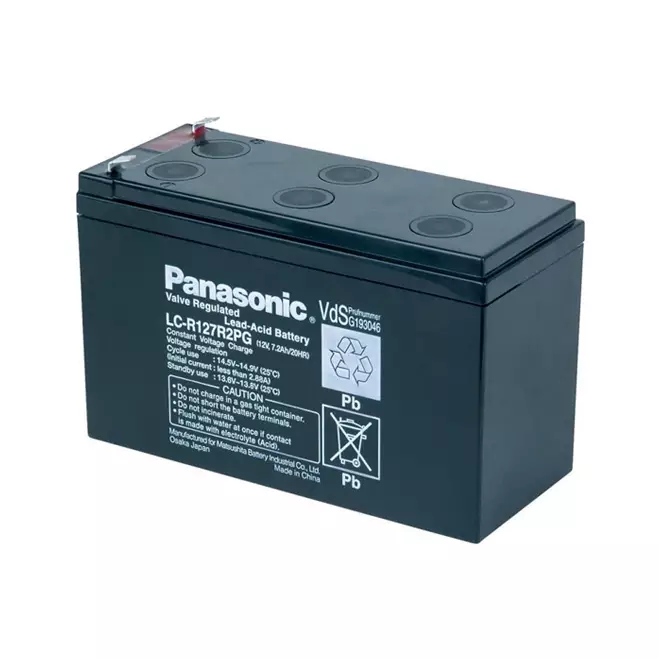
Battery-powered energizers : they consume very little energy and are perfect for remote areas, but they require regular maintenance to recharge or replace the batteries.
-
Solar panel energizers : combine efficiency and sustainability, completely eliminating power costs, but with a slightly higher initial cost.
Keeping your consumption under control: some practical advice
To keep consumption low and ensure maximum efficiency, it is important:
-
Inspect your fence regularly : energy losses due to tall grass, damaged wires, or compromised insulation increase the load on the energizer.
-
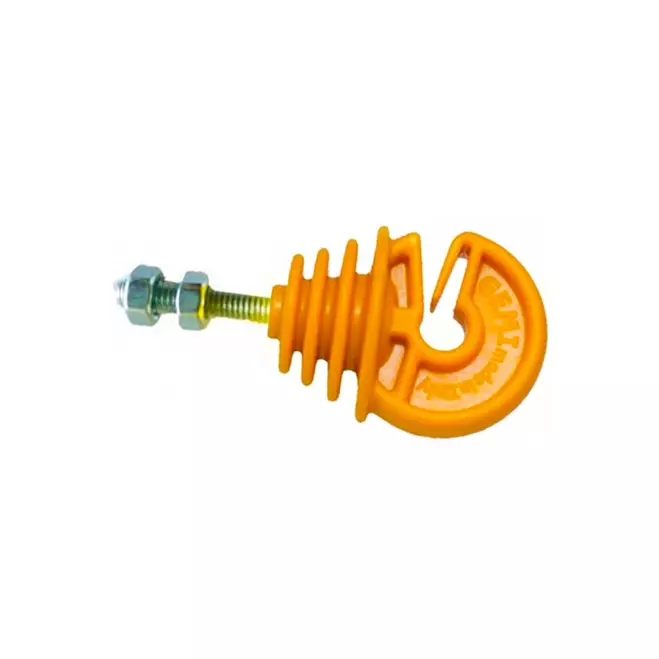
Use quality insulators to avoid current leakage.
-
Choose an energizer that is proportionate to the length of the fence and the type of animal: there's no need to oversize.
Gemi Elettronica: efficient solutions for every need
If you're looking for reliability, Italian quality, and optimized energy consumption, Gemi Elettronica offers a range of energizers among the most popular in Europe. Each product is designed to last and offer the highest levels of energy efficiency and safety.
Here are some of the recommended products:
-
? E/220 energizer with 220 V current – Powerful and suitable for long fences, perfect for areas with a fixed power supply.
-
? B/12 Battery-Powered Energizer 12V / 220V – Ideal for rural areas or those without access to the grid.
-
️ B/12 Energizer with 12V / 220V Solar Panel – The eco-friendly choice for a fence without running costs.
In conclusion
An electric fence is not only effective, but also extremely energy-efficient. With power consumption in the order of a few watts, it's a perfect solution for those seeking both security and environmental friendliness. Relying on quality products, like those from Gemi Elettronica , is the right choice for a fence that's always under control—and a low energy bill.