




What's the minimum voltage for an electric fence? An essential guide.
Gemi Elettronica ·

When it comes to electric fences, a key parameter is the operating voltage . Those new to this technology often ask: "What is the minimum voltage required for an electric fence?" The answer isn't just technical, but also essential to ensuring the safety, effectiveness, and well-being of the animals contained within or the protection of the area.
Why is tension important?
The voltage in the electric fence generates a pulse that, upon contact, causes a painful but harmless shock. This stimulus is sufficient to deter animals and intruders from crossing the fence.
If the voltage is too low, the deterrent effect is diminished, risking not stopping the animal or unwanted visitor. Conversely, too high a voltage can pose safety risks or regulatory issues.
What is the minimum recommended voltage?
International standards and industry regulations indicate that the minimum effective voltage for an electric fence is around 3,000 volts .
In particular:
The peak (pulse) voltage must be at least 3,000 V to ensure a sensitive, albeit brief, pulse.
For enclosures intended for domestic or small animals (dogs, rabbits, poultry) it is possible to use voltages around 3,000-4,000 V.
For larger or wild animals (cattle, horses, wild boars) at least 5,000-7,000 V is recommended to ensure immediate effectiveness.
Standards and guidelines (e.g. EN 60335-2-76) set maximum limits for safety, usually below 10,000 V.
Tension and distance: a balance to be respected
Another aspect to consider is the length of the fence . As the distance increases, the voltage measured at the farthest point tends to decrease due to dispersion and interference (vegetation, humidity, defective insulators).
For this reason, an energizer with a higher output voltage is necessary for very large fences, to ensure that the minimum voltage of 3,000 V is maintained along the entire line.
Tips for maintaining correct tension
Check the voltage regularly with a specific tester for electric fences.
Keep the line free of grass and vegetation to reduce waste.
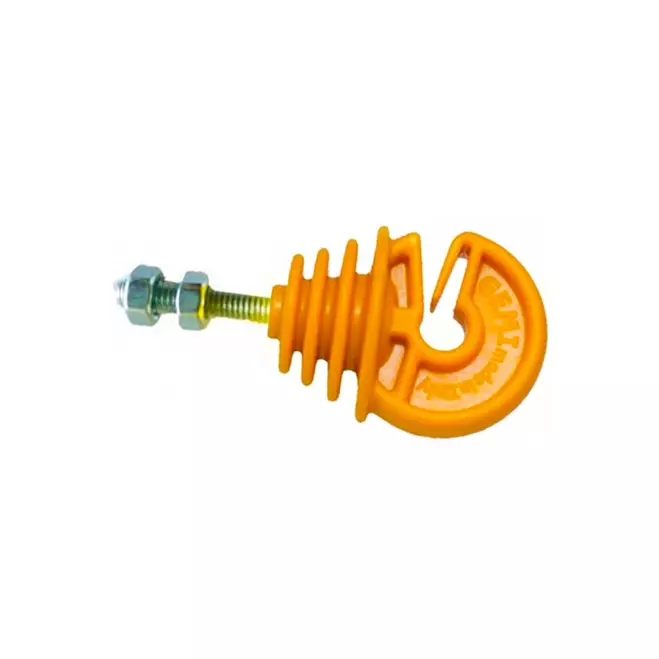
Use quality insulators and make sure you have good grounding.
Choose an energizer suitable for the length of the fence and the type of animal.
Recommended products from Gemi Elettronica
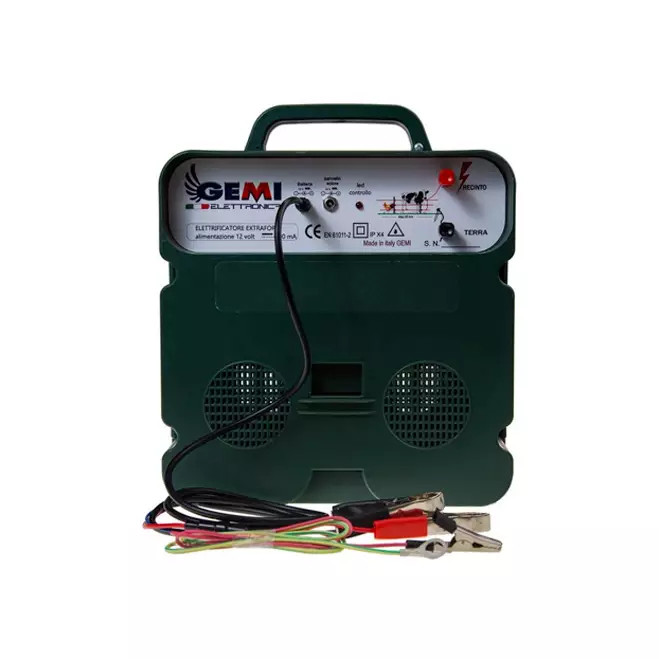
To ensure the correct voltage and maximum efficiency, Gemi Elettronica offers a range of energizers with certified performance:
? E/220 energizer with 220 V current – Powerful and suitable for long fences, perfect for areas with a fixed power supply.
? B/12 Battery-Powered Energizer 12V / 220V – Ideal for rural areas or those without access to the grid.
️ B/12 Energizer with 12V / 220V Solar Panel – The eco-friendly choice for a fence without running costs.
Conclusion
The minimum voltage of an electric fence is crucial to ensuring the safety and effectiveness of the system. With at least 3,000 volts of peak voltage, the fence can perform its deterrent function optimally, protecting animals and property without excessive risk. Relying on quality products like those from Gemi Elettronica guarantees reliability and peace of mind in everyday use.