



What battery should I use for an electric fence? The complete guide
Gemi Elettronica ·

What battery should I use for an electric fence? The complete guide
When it comes to electric fences, one of the most important aspects to consider is the power source. In particular, for those who need to install a fence in remote areas or without access to a power grid, a battery is the ideal solution. But what battery should you use for an electric fence? What features should it have, and how do you choose the right one?
In this article, we'll explain everything you need to know to properly power your electric fence, ensuring reliable, long-lasting performance.
Why choose a battery for your electric fence?
In many situations, especially in rural or remote areas, it's not possible to connect to the traditional power grid. Furthermore, some needs require a portable or temporary system, which a battery can easily support.
Electric fence batteries allow you to power the energizer even in the absence of power, keeping the fence active and safe.
Which types of batteries are best?
The choice of battery depends on various factors, such as the power of the energizer, the length of the fence, the frequency of use and the climatic conditions.
Generally, the most used batteries are:
Rechargeable lead-acid batteries (AGM or GEL) : These are the most common for electric fences due to their reliability, ability to deliver constant current, and resistance to climate changes. They offer a good balance between cost and performance.
Lithium batteries : lighter and longer-lasting than lead-acid batteries, but typically more expensive. They're ideal for those seeking a technologically advanced product with less maintenance.
Battery capacity: how to choose it?
The battery capacity, expressed in ampere-hours (Ah), must be adequate to ensure continuous operation of the energizer for a sufficient period of time, even in the absence of recharging.
For example, for a medium-length fence powered by a low-consumption energizer, a 12V battery with a capacity between 20 and 50 Ah may be sufficient.
For longer fences or powerful energizers, it is advisable to increase the capacity or provide additional charging systems, such as solar panels.
How to keep your battery running efficiently
To ensure long life and optimal performance of your electric fence battery, it is important:
Recharge it regularly, especially if you don't use an automatic charging system.
Avoid deep discharges which reduce its lifespan.
Check the charge status and voltage periodically.
Protect the battery from extreme temperatures and humidity.
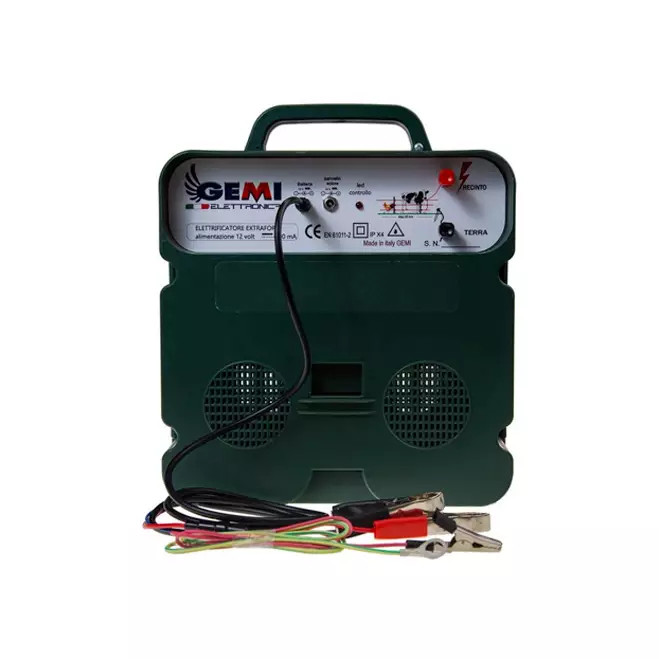
Products recommended by Gemi Elettronica
Gemi Elettronica offers a selection of batteries and accessories suitable for electric fences, guaranteeing reliability and durability:
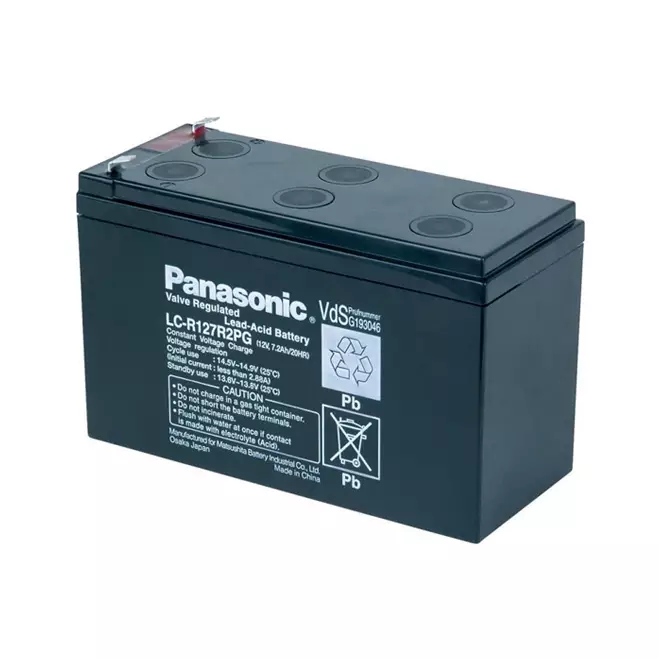
12V 7.2 Ah battery Compatible with all Gemi models, resistant, long-lasting, ready to use.
Conclusion
Choosing the right battery for an electric fence is essential to ensure continuous and reliable power, especially in the event of a power outage. Rechargeable lead-acid batteries are the most common solution, but lithium batteries and solar panel systems are excellent alternatives for specific needs.
With Gemi Elettronica's quality products, you can be sure of an efficient, safe, and always-on system to best protect your livestock or property.
Meta Title
What battery should I use for an electric fence? Gemi Elettronica Guide
Meta Description
Learn how to choose the ideal battery for your electric fence: types, capacities, and tips for safe and long-lasting power. Gemi Elettronica products.