




How Much Does an Electric Fence Consume? A Practical Guide to Energy Consumption
Gemi Elettronica ·

An electric fence is an increasingly popular solution for containing animals or protecting agricultural land, thanks to its effectiveness and ease of installation. However, one of the issues that often concerns those who decide to adopt this system is: how much does an electric fence consume? In other words, what is the energy consumption of an energizer and how can it be best managed?
In this article, we'll try to clarify the situation by analyzing the variables that influence consumption and providing helpful tips for efficient use.
How does the consumption of an electric fence work?
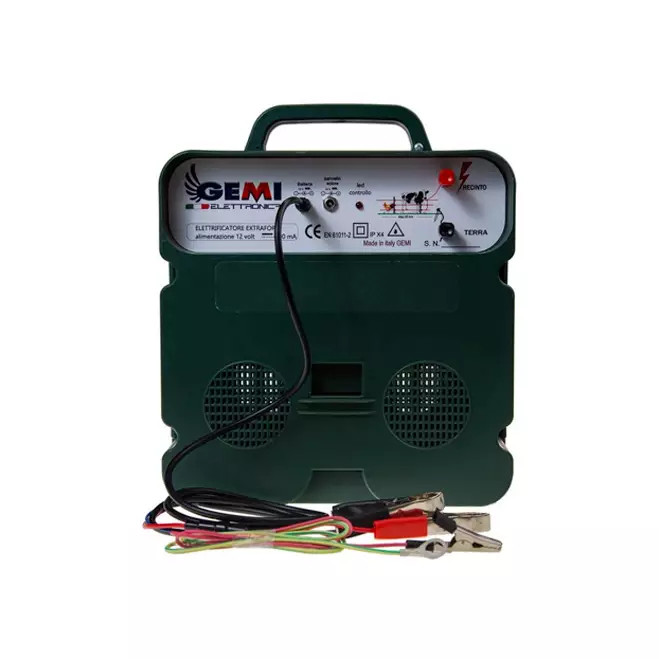
An electric fence doesn't function as a continuous electronic device. Its heart is the energizer, which generates electrical pulses at regular intervals, usually every 1 or 2 seconds. These pulses are very short but high voltage, enough to deter animals from climbing over the fence.
Energy consumption, therefore, is not constant but depends on the frequency and power of the pulses, as well as the length and condition of the fence.
Average consumption in Watts and Amperes
Generally, a home or small farm energizer consumes very little energy. These average values range from a few watts to a maximum of 10-15 watts for the most powerful models.
For example, a fence energizer of about 3-5 km can consume between 2 and 10 watts on average, while larger systems or those with specific features may require slightly higher consumption.
In terms of current, we often talk about milliamps (mA), since the current delivered during the pulse is very low to ensure safety.
Factors influencing consumption
Fence length: the longer the wire, the greater the resistance and therefore the consumption to maintain the proper tension.
Environmental conditions: vegetation touching the wire, the presence of humidity or dirt can increase dispersion and consumption.
Type of energizer: More powerful and professional models consume more energy, but also guarantee stronger and more continuous pulses.
Power supply system: battery or solar panel powered fences have calibrated consumption to optimize the duration of the charge.
How to save energy with an electric fence
To optimize consumption and reduce costs:
Always keep the wire free of vegetation.
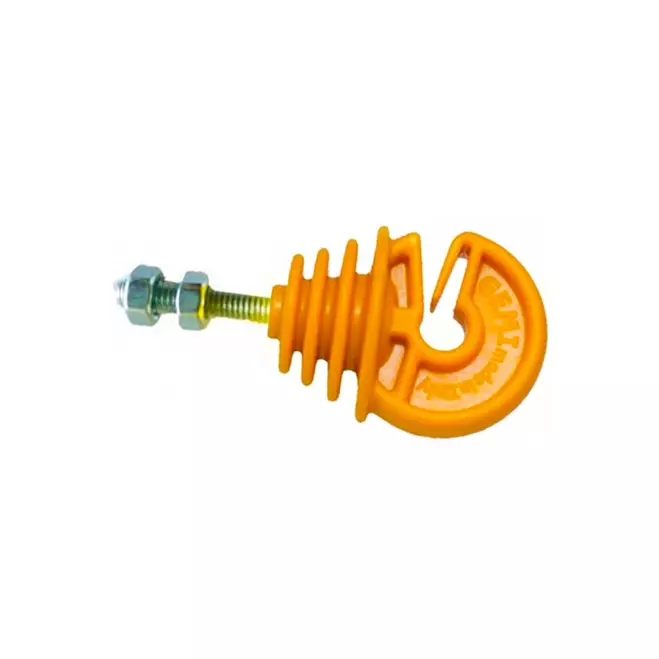
Use quality insulators in good condition to reduce leakage.
Choose an energizer appropriate for the size of the fence.
If possible, use solar panel systems for self-sufficient and sustainable power supply.
Products recommended by Gemi Elettronica
Gemi Elettronica offers a range of efficient and low consumption energisers, ideal for every need:
E/220 energizer with 220 V current – Powerful and suitable for long fences, perfect for areas with a fixed power supply.
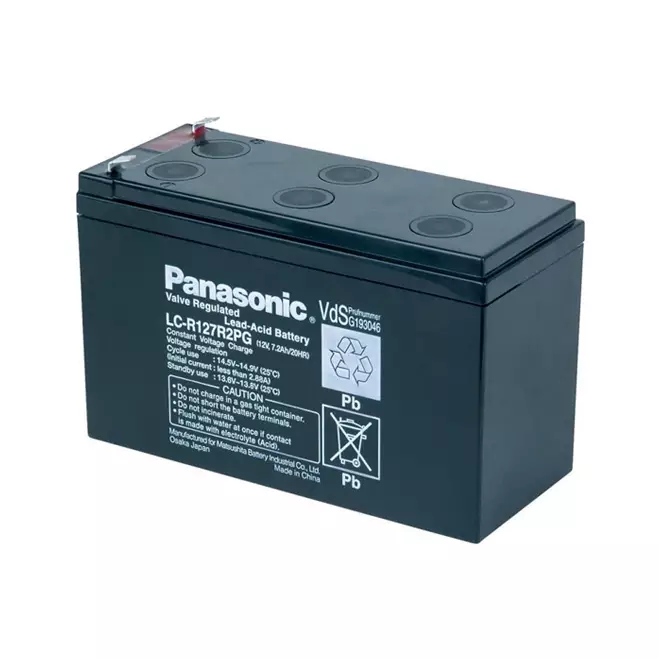
B/12 Battery-Powered Energizer 12V / 220V – Ideal for rural areas or those without access to the grid.
B/12 Energizer with 12V / 220V Solar Panel – The eco-friendly choice for a fence without running costs.
Conclusion
In conclusion, an electric fence generally consumes very little energy, making this solution not only effective but also energy-efficient. With the right choice of energizer and proper system maintenance, you can keep your fence active at a low cost and sustainably.
Trust in Gemi Elettronica's professional products to guarantee an efficient, safe and low-consumption system.