





Dog Fence Guide and Review: Gemi E/220 Electric Fence Energizer
Gemi Elettronica ·

Maintaining a safe outdoor space for your dog requires reliable, effective, and well-designed solutions. In addition to traditional mesh or wooden fences, electric fencing systems are becoming increasingly popular. In this article, we'll explore the benefits and key considerations when choosing a dog fence, and highlight a professional model worth considering:
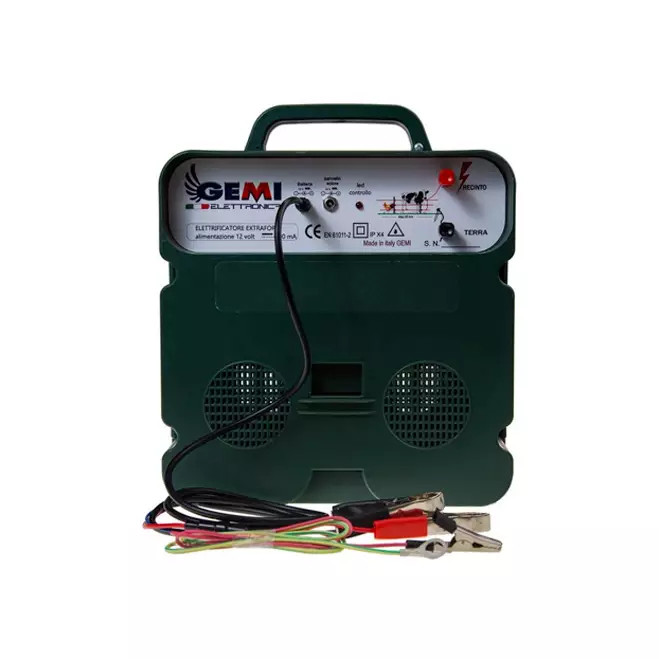
E/220 DEPOSITED energizer at 220 V current for dogs but also suitable for cats, rabbits and chickens
1. Why consider an electric dog fence
When you have an outdoor area—a garden, porch, or fenced plot—and you want to offer your dog freedom of movement while still maintaining safety, an electric fence can be a modern and functional solution. Here are the main advantages:
● Clear definition of the perimeter : the guiding thread clearly marks the boundary within which the dog can move, preventing escapes or unwanted pedestrian access.
● Less visual impact : Compared to rigid fences, electric systems – if installed correctly – are more discreet and less invasive on the landscape or garden.
● Installation versatility : the conductive line can be adapted to irregular, inclined or articulated shapes, and integrated with poles, trees or other surrounding elements.
● Deterrent Effect : When properly powered and installed, the system provides a harmless but perceptible pulse that discourages the animal from crossing the boundary, helping to curb jumping or digging behavior.
● Economy in certain contexts : in areas where physical fencing would be costly (uneven terrain, large surface area, aesthetic limitations), the electric system can offer a good cost-performance ratio.
However, you should also be aware of some conditions:
● The system requires proper power and grounding.
● Performance depends on the quality of the wire, insulators, vegetation and ground condition.
● The animal must be gradually accustomed to the boundary; the fence is no substitute for supervision and training.
● It is essential to choose a model appropriate for the size of the perimeter, the type of animal and the surrounding environment.
2. What to consider before purchasing
To make an informed choice about an electric dog fence, you need to consider several technical and practical aspects. Here's a guide:
● Power supply : 220V mains, or battery- or solar-powered models. The former is stable but requires a nearby outlet; the latter offers greater flexibility in remote areas.
● Output voltage and power : The higher the voltage and energy (measured in Joules), the more effective the system will be on long fences or when the animal is large or very energetic.
● Maximum length of the supported conductor wire : this determines how large the fenced area can be.
● Materials, certifications and regulations : verify that the device complies with current regulations (e.g. CE, EN) and that it is built with robust, water- and weather-resistant components.
● Installation and maintenance : consider adequate insulators, well-secured poles, management of vegetation around the conductor wire, periodic voltage and grounding checks.
● Compatibility with your pet : If your dog is very active, large, or loves digging or jumping, choose a model that takes these behaviors into account. For small dogs and smaller gardens, you can opt for lighter, less complex models.
3. The featured model: Gemi Elettronica E/220
Let's now move on to the specific model we've chosen to analyze: the E/220 energizer from Gemi Elettronica. This product is designed for pasture fences, and therefore intended for relatively large areas, but can also be adapted to domestic settings, should the dog's perimeter require it. Gemi Elettronica offers a wide range of safe and efficient energizers, as well as accessories for compliant and secure installations:
● E/220 energizer with 220 V current Powerful and suitable for long fences, perfect for areas with a fixed power supply.
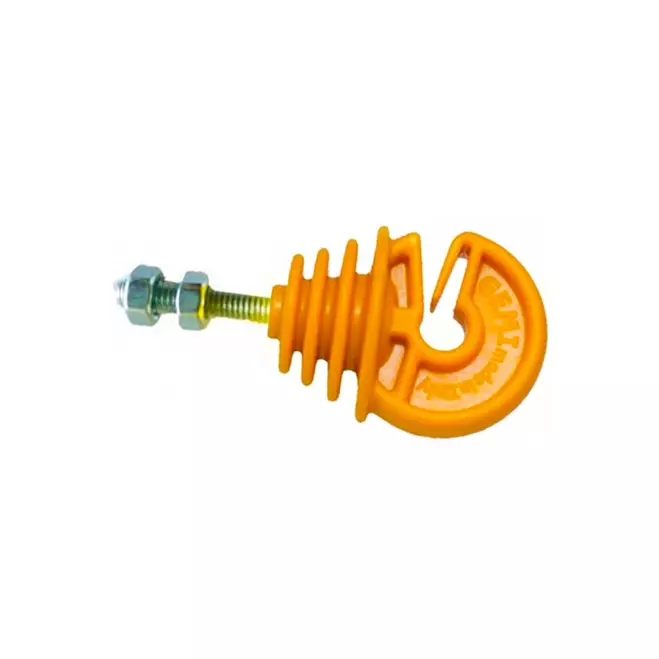
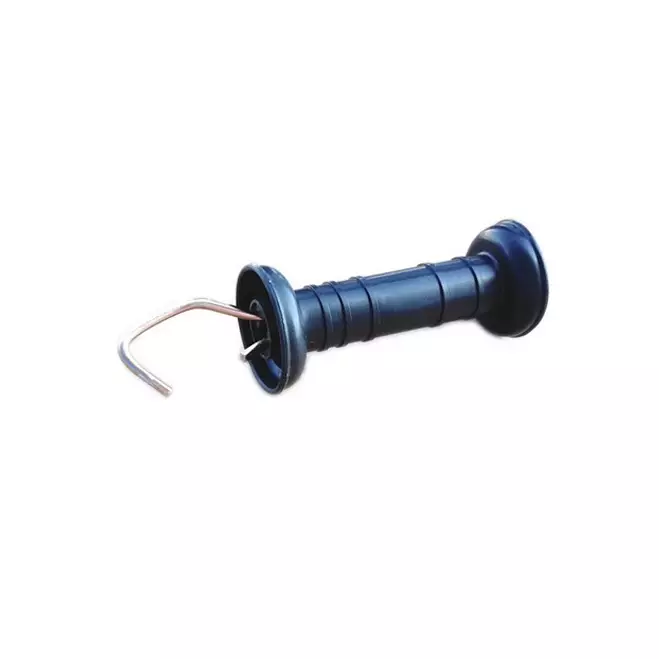
● Wooden electric fence post insulators for safe installations.
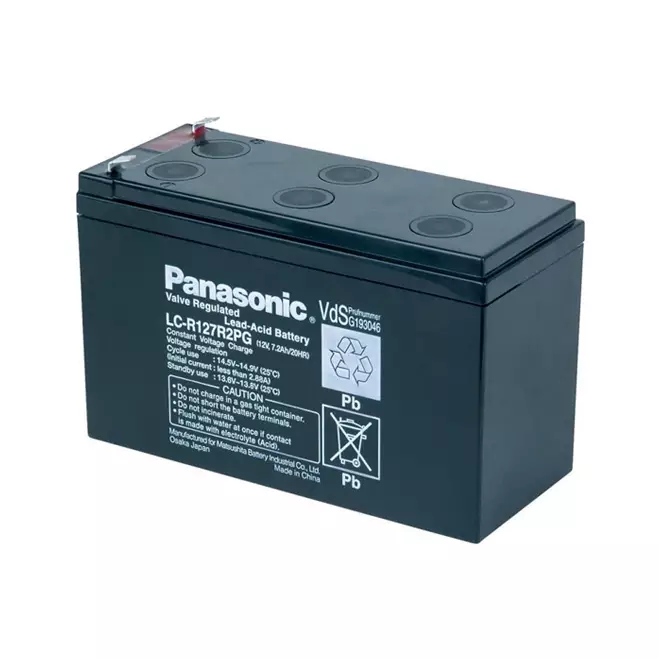
● 12V 7.2 Ah battery Compatible with all Gemi models, resistant, long-lasting, ready to use.
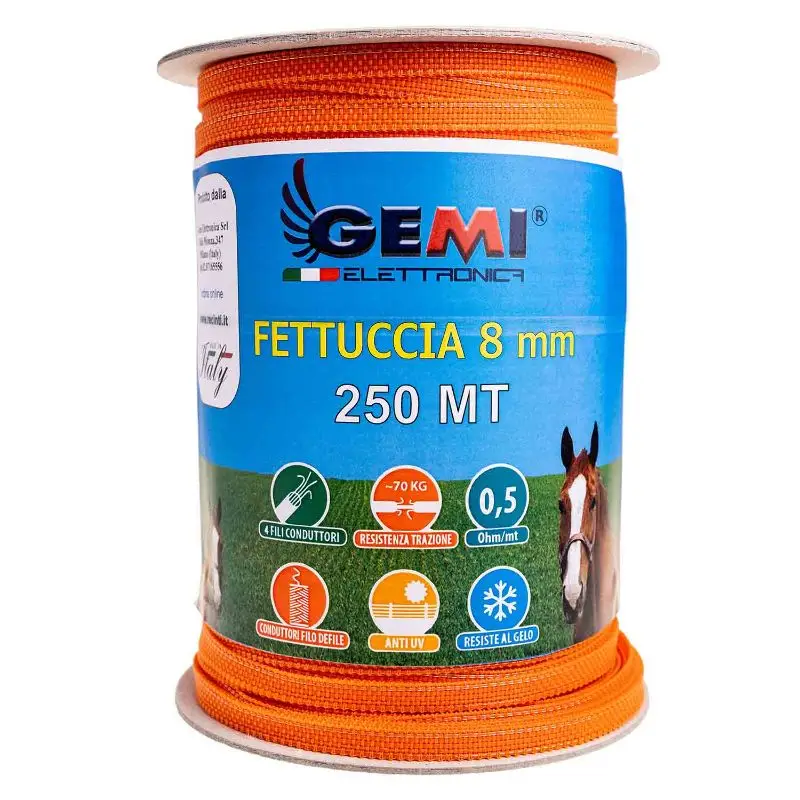
● 250m 6mm² electric fence wire – durable and easy to install.
●
Technical features and highlights
● Power supply at 220 V / 50 Hz : therefore it must be connected to the electrical network, making the installation stable.
● Maximum output: up to 15,000 V, power up to 8 J in the “Extraforte” model.
● Indicated range: Up to 50 km of wire under ideal conditions; realistically around 5-8 km.
● Relatively low power consumption: for example 12 W declared for one model.
● Made in Italy, with experience since 1983, the device is certified according to CE and EN 60335-2-76 standards.
Why it can be a good choice for a dog fence
● If you have a large garden or fenced plot where your dog has room to roam freely, this model offers generous coverage and high performance.
● The high power ensures that the perimeter remains “effective” even in the presence of vegetation or less than perfect conditions.
● Being mains-powered, it avoids problems with flat batteries or insufficient solar panels: ideal if the area is connected to the electrical system.
● Although designed for “grazing” use, it can be adapted to the domestic dog context with the appropriate measures (number of wires, height, installation).
Cautions and recommended contexts
● If you have a small garden, perhaps a few dozen meters in perimeter, or only one small dog, this model could be oversized and more expensive (installation, materials).
● Make sure there is a suitable electrical outlet and grounding near the installation point. If not, you'll need to consider the cost of retrofitting.
● Even a powerful product must be installed correctly: suitable insulators, well-tensioned wire, and controlled vegetation are essential to achieve optimal performance.
● For a dog, you will need to evaluate the height of the conductor wires, any second line for jumpers or diggers, and additional physical barriers in critical areas.
Installation tips for a dog context
● Mark the perimeter: consider a line of wire about 20-30 cm from the ground to prevent digging, and if the dog jumps, a second line 50-60 cm away.
● Use sturdy insulators, well-fixed poles, and conductor wire suitable for the perimeter length and recommended cross-section.
● Avoid letting plants, hedges or branches touch the wire: these discharges reduce the effectiveness of the system.
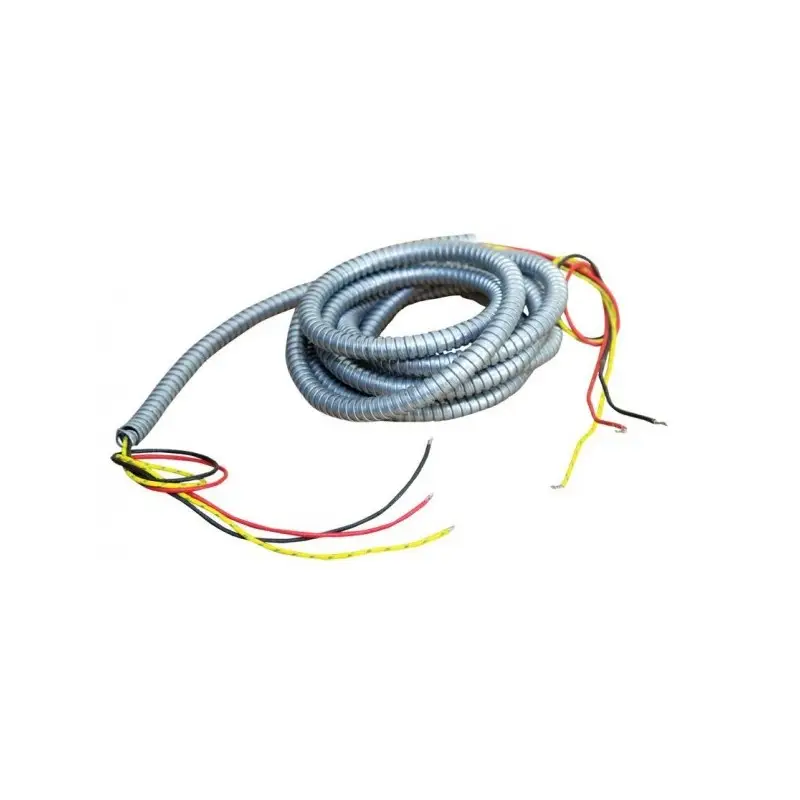
● Connect the ground correctly according to the manufacturer's instructions: typically a buried metal post with a yellow/green wire.
● Get your dog used to it: initially, let him explore the area around the line, perhaps on a leash, and encourage him to respect the boundary. Positively reinforce his use of the indoor area.
● Periodic checks: check that the device is powered, that the voltage is adequate, and that there are no breaks or damage to the wire.
Conclusion
Optimizing your dog's outdoor space requires a thoughtful choice of fencing system. Electric fences are a modern, discreet, and versatile solution, but you need to carefully consider the perimeter dimensions, the dog's behavior, the food available, and the quality of the installation.
The E/220 model from Gemi Elettronica represents a professional option: mains-powered, high-performance, long range, and quality construction. It's perfect for situations where your dog has plenty of space or you want a fence that can also accommodate other uses.
If, however, you have a smaller garden or a single small or medium-sized dog, you might consider less powerful and cheaper models, which are certainly adequate for the purpose.