







What do badgers eat? Diet, habits, and how to protect crops with Gemi electric fences.
Gemi Elettronica ·

Badgers: Fascinating Animals But Feared by Farmers
The European badger ( Meles meles ) is one of the most iconic mammals of Italy's woodland fauna. With its robust body, elongated snout, and striped fur, it is both curious and ingenious. However, for those who live off agriculture or own cultivated land, its presence can quickly become a serious problem.
The badger is an omnivorous species with extremely adaptable feeding habits: it burrows into the ground, explores vegetable gardens and orchards, and isn't afraid to approach agricultural areas in search of food. It's precisely this versatility that makes it difficult to repel using traditional methods.
What do badgers eat and why do they attack fields?
The badger's diet varies depending on the seasons and food availability. It feeds on:
● Earthworms, larvae and insects , which it finds by digging into the soil with its powerful claws.
● Roots, tubers and bulbs , often belonging to agricultural crops.
● Ripe fruit, cereals and corn cobs , which form an important part of its summer and autumn diet.
● Small vertebrates and bird eggs , found around farms or in fields.
This behavior leads it to dig deep holes , till the soil and destroy crops in an attempt to find food.
In many cases, a single night of activity can be enough to compromise a crop or damage entire rows of vegetables and vines.
Since the badger is a protected species , aggressive capture or removal systems cannot be adopted. The solution, therefore, must be ethical, sustainable, and respectful of the environment .
The Agricultural Yew Problem: Visible Damage and Economic Consequences
The damage caused by badgers is not limited to direct crop loss. It also involves:
● Compaction and damage to the soil , with worsening drainage and loss of fertility.
● Risk of plants falling due to root erosion.
● Difficulty in sowing and uniform growth of crops .
● Expensive repairs to fences or walls forced during their search for food.
In the absence of preventive measures, badgers tend to regularly return to the same areas, following their usual routes and making natural recovery of the land impossible.
The ethical and definitive solution: electric fences
Electric fences are currently the most effective solution for protecting fields and vegetable gardens from badgers without damaging them.
This technology uses low-voltage electrical pulses , delivered at regular intervals along conductive wires positioned along the perimeter of the ground. Contact generates a mild but unpleasant shock , which teaches the animal not to cross the boundary, without causing injury or stress.
The main advantages of an electric fence are:
● Immediate deterrent effect : after the first contact, the badger learns to avoid the area.
● Constant protection, even at night , when it is most active.
● ?️ Easy installation with just a few components: poles, insulators, and an energizer.
● ? Adaptability to any type of terrain , even hills or woods.
● Respect for animals and the environment , without the use of chemicals or traps.
A well-installed system protects not only from badgers, but also from other burrowing animals such as wild boars, foxes and porcupines .
How to install an electric fence against badgers
To achieve an effective barrier, it is advisable to follow some simple guidelines:
- Wire placement: Install at least two wires. The first one is 15–20 cm above the ground to prevent digging, and the second one is 30–40 cm above the ground to prevent jumping.
- Energizer Power: Badgers have thick fur, so adequate voltage is needed to transmit the impulse.
- Good earthing: essential to ensure full system efficiency.
- Periodic maintenance: check that the wire does not touch tall vegetation or branches that could disperse the charge.
By following these precautions, the fence will offer constant and safe protection over time .
Gemi Elettronica electric fences: Made in Italy quality
Gemi Elettronica, an Italian company specializing in agricultural and livestock management technologies, offers a complete range of professional electric fences to protect fields from all types of wild animals.
Strengths of Gemi fences:
● High quality and weather resistant materials.
● CE certified energizers , safe for people and animals.
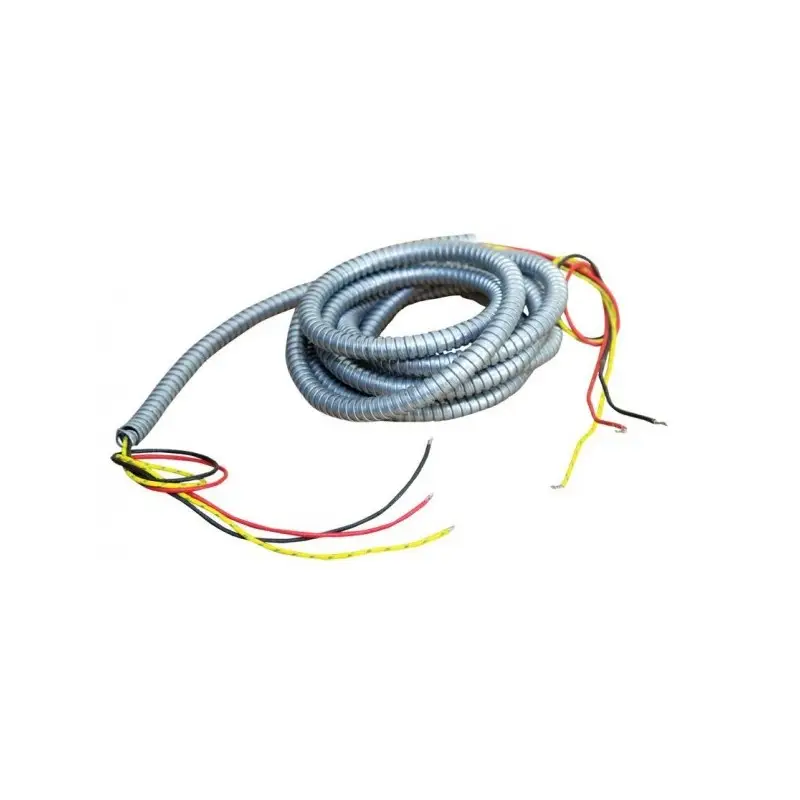
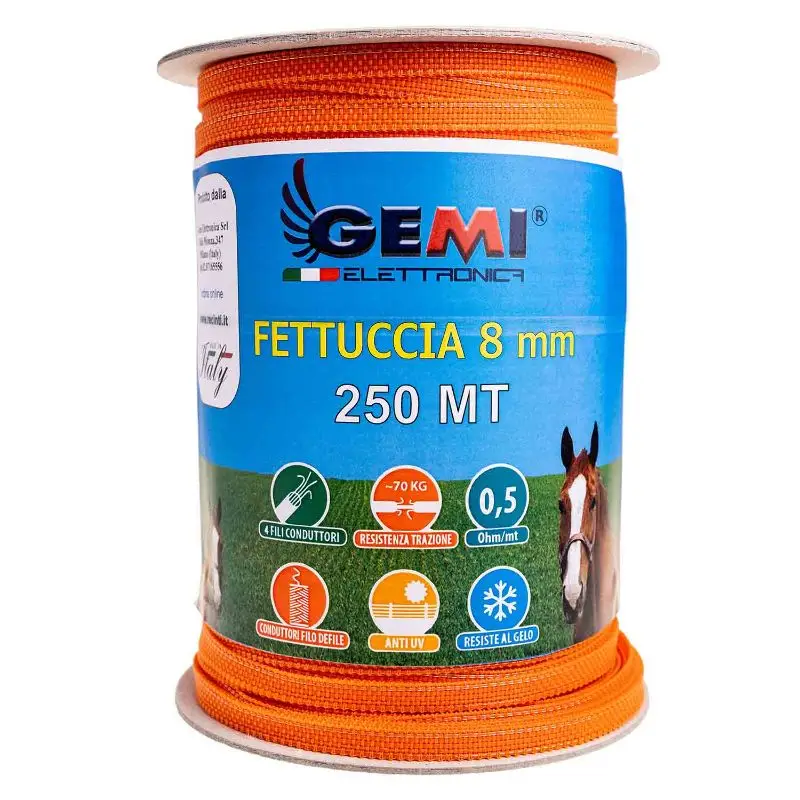
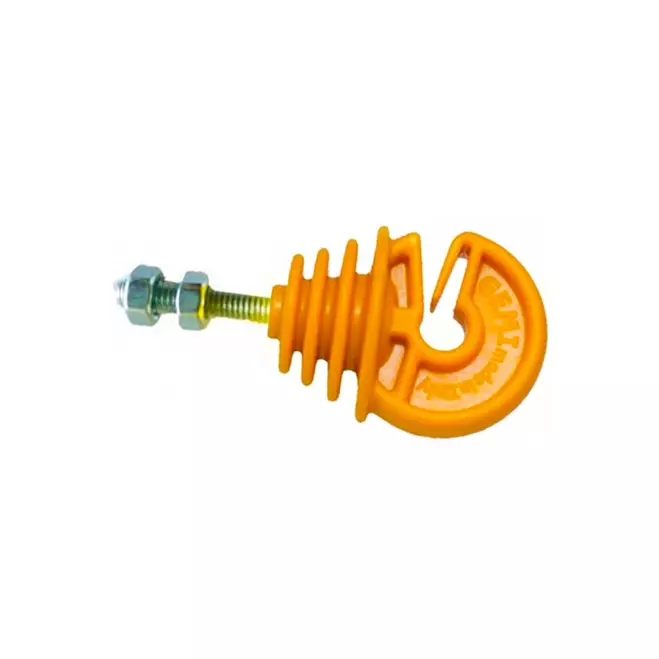
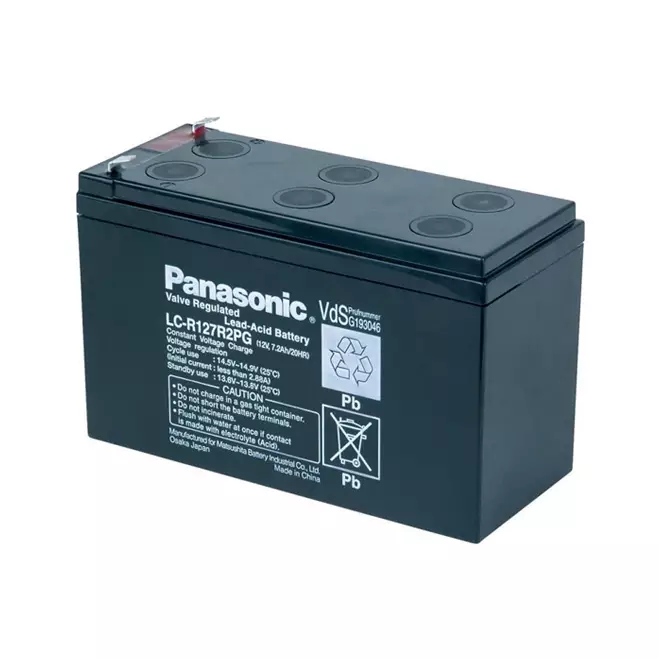
● Wide range of accessories: poles, insulators, connectors, batteries and control instruments.
● Complete kits for large domestic or agricultural installations.
● Italian technical assistance and warranty.
Discover all the models available on the official website:
● E/220 energizer with 220 V current – Powerful and suitable for long fences, perfect for areas with a fixed power supply.
● B/12 Battery-Powered Energizer 12V / 220V – Ideal for rural areas or those without access to the grid.
● B/12 Energizer with 12V / 220V Solar Panel – The eco-friendly choice for a fence without running costs.
A sustainable defense for tomorrow's agriculture
Protecting fields from badgers does not mean fighting nature, but living in balance with it .
Gemi electric fences represent the perfect synthesis between environmental ethics and agricultural protection : they prevent intrusions, preserve crops and respect wildlife.
With a minimal investment, you can ensure peace of mind, safety, and agricultural yields while fully respecting the environment.
The definitive solution against interest rates exists, it is safe and bears the signature of Italian excellence: Gemi Elettronica .