



Mothballs for wild boars: does it really work? Here's the most effective and safe solution.
Gemi Elettronica ·
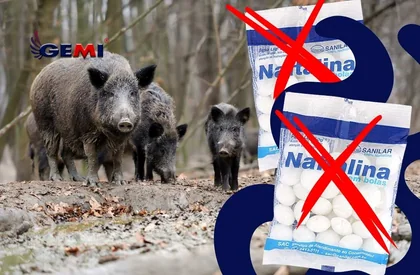
Wild boars have become a major concern for farmers and landowners throughout Italy. In recent years, their presence has increased significantly, resulting in damage to crops, vegetable gardens, and gardens. Faced with this situation, many are seeking home or natural remedies to repel them.
One of the most debated methods is the use of mothballs against wild boars , but how effective is it really? And above all, is it safe for the environment and for animals?
Let's take a detailed look at how this substance works, what risks it poses, and what the smartest and most sustainable solution is to protect your crops.
Why wild boars are a growing problem
The wild boar (Sus scrofa) is an intelligent, hardy animal with a highly developed sense of smell. It lives in herds and adapts easily to a variety of environments, from woodlands to countryside to suburban areas.
Its nocturnal behavior and ability to burrow into the ground make it particularly harmful to:
● Crops of cereals, corn, potatoes and vegetables
● Vineyards and orchards , where it feeds on ripe fruit
● Meadows and agricultural land , which it destroys by digging in search of roots or larvae
The economic damage caused by a herd of wild boars can be enormous in just a few hours, and for this reason many farmers look for quick methods to keep them away.
Mothballs for wild boars: myth or solution?
Mothballs are a strong, pungent-smelling chemical traditionally used as a moth repellent in closets. In agriculture, some use them as a repellent for wild animals , including wild boars, in the belief that their odor will disturb them and discourage them from approaching.
The principle behind this method is simple: wild boars, having a very sensitive sense of smell, tend to avoid areas with unpleasant or unusual odors. However, the actual effectiveness of mothballs is very limited.
Why mothballs are not an effective solution
- Temporary effect
The smell of mothballs fades quickly outdoors, especially in rainy or windy conditions. After a few days, the substance loses its effectiveness completely, requiring continuous applications. - Wild boar habits
Wild boars are intelligent and adaptable animals. After some time, they become accustomed to new scents, especially if they can easily find food within the area. - Risks to the environment and health
Mothballs are a toxic chemical, potentially harmful to humans, domestic animals, and wildlife. They are classified as soil and water pollutants , and their release into agricultural environments can have negative consequences for ecosystems. - Ban on use in agriculture
The use of mothballs outside of authorized uses (as a household moth repellent) is prohibited by European legislation. It cannot therefore be legally used as a wild animal repellent in fields.
Natural alternatives to mothballs
There are some more environmentally friendly remedies to keep wild boars away, such as:
● Intense natural scents (garlic, chili pepper, essential oils, Marseille soap)
● Green fences with strong-smelling aromatic plants
● Noises or flashing lights to disturb them during the night hours
However, even these methods offer limited results . Wild boars tend to become accustomed to smells and sounds, especially if the food source remains accessible.
The most effective and environmentally friendly solution: the electric fence
The safest, most long-lasting and legally compliant protection for defending crops from wild boars is an electric fence .
This system creates a physical and deterrent barrier around the area to be protected. When the wild boar touches the conducting wire, it receives a small, harmless electric shock , but it's enough to scare it away and prevent it from repeating the action.
The advantages are clear:
● Immediate and constant effectiveness over time
● Safety for the animal : the discharge does not cause any physical harm
● No environmental impact : no chemicals are used
● Total reduction of crop damage
Gemi Elettronica electric fences: Italian quality and reliability
Gemi Elettronica, a leading Italian company in the field of electrical systems for agriculture, offers professional electric fences designed to repel wild boars and other wild animals .
The Gemi enclosures are:
● Easy to install , even for those with no technical experience
● Robust and weatherproof
● Available in different versions : mains-powered, battery-powered or with solar panel , ideal for any type of terrain
● Completely safe , compliant with European regulations on electrical safety
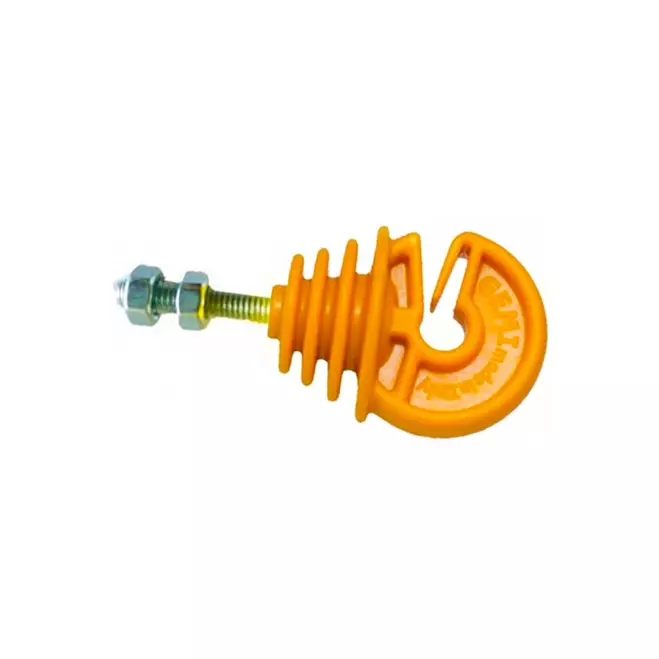
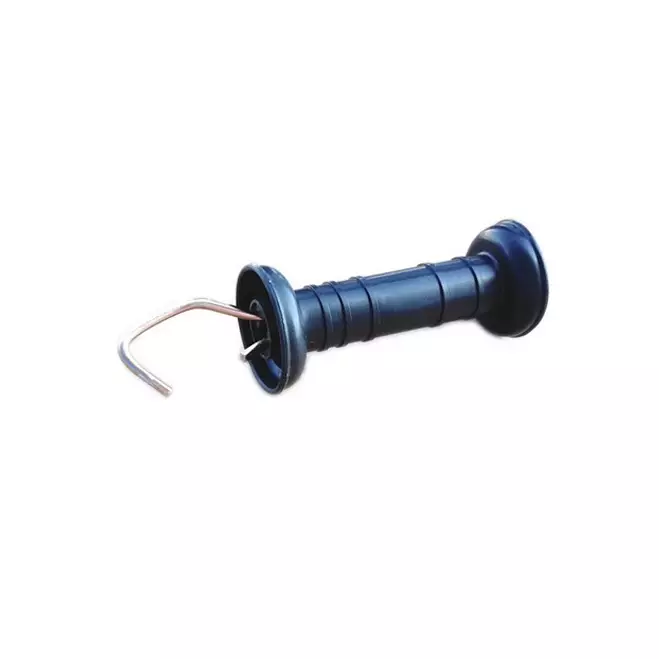
Thanks to the complete range of Gemi accessories – poles, insulators, conductors and adjustable power control units – it is possible to create a customized defense system, suitable for both small vegetable gardens and large farms.
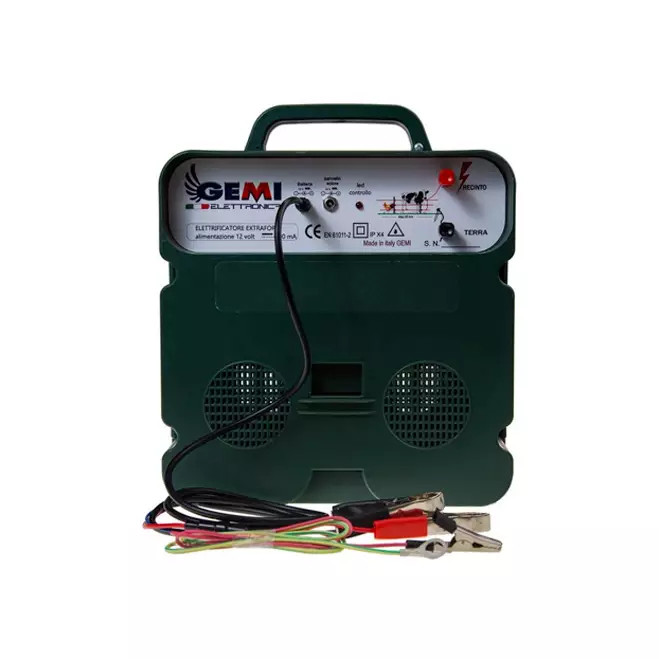
E/220 A energizer Extra strong current 220 V Excellent quality-price ratio, suitable for up to 5 km of fence.
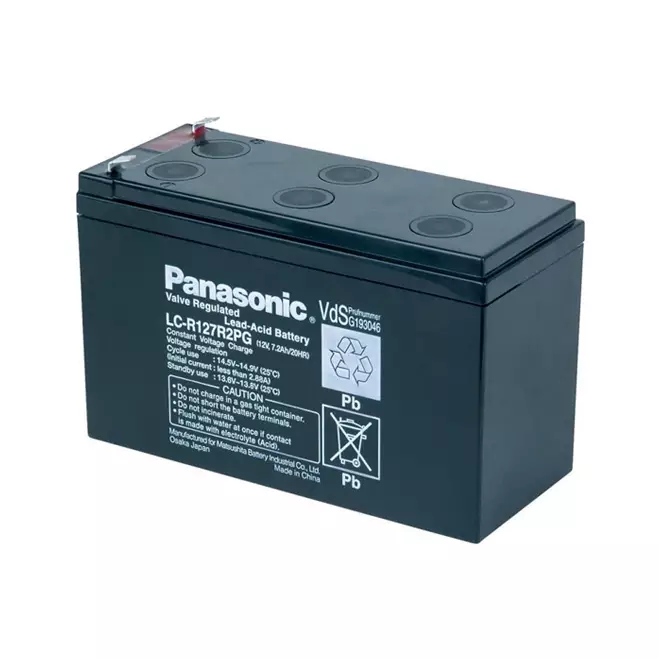
B/12 Extra Strong 12 V Energizer with 2 Rechargeable Batteries Perfect for those who do not have access to the electricity grid.
B/12 energizer with 12V / 220V solar panel Continuous autonomy and zero electricity costs.
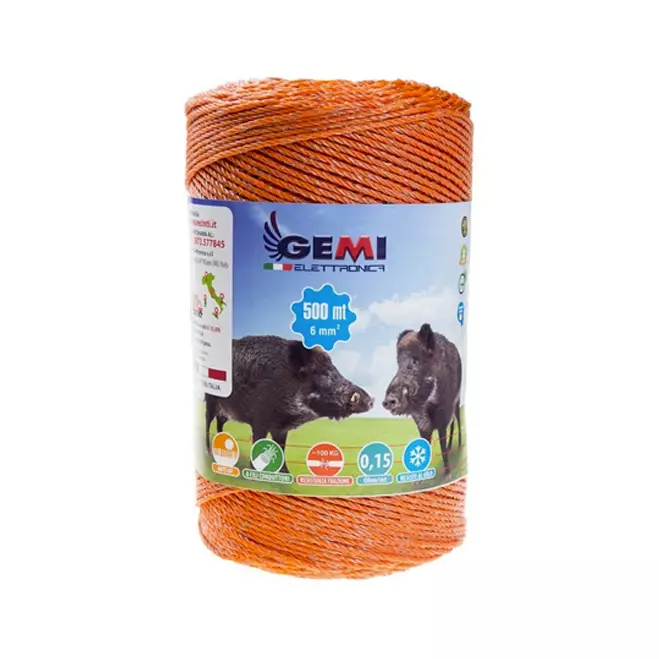
500 m 4 mm² wire High conductivity and resistance, available in various formats.
Conclusions
Mothballs against wild boars are an ineffective, potentially dangerous, and illegal remedy. Wild boars, intelligent and adaptable animals, cannot be permanently deterred with improvised methods.
The safest, most long-lasting and ecological choice to protect your crops is to install a Gemi Elettronica electric fence :
● Respect the environment and wildlife;
● Ensures constant protection;
● It offers a smart investment in agricultural land safety.
Trust the experience of Gemi Elettronica: the technology that protects your land naturally, safely, and permanently.