



What do wild boars eat and how to protect fields and farms from their attacks?
Gemi Elettronica ·
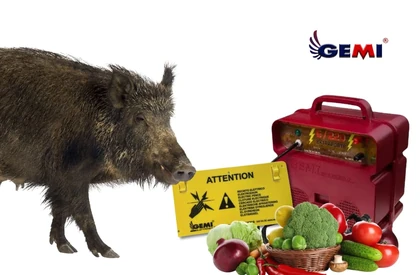
Wild boars are one of the wild animals that has caused the most problems in agriculture and rural areas in recent years. Their presence has increased in many areas of Italy, and more and more farmers, ranchers, and landowners are faced with damage to crops, gardens, and fences. Understanding what wild boars eat is the first step to understanding why they approach cultivated fields and how to effectively protect land and livestock.
These animals are extremely intelligent, adaptable, and possess a strong survival instinct. When they find an abundant food source, they return to the same location repeatedly, causing ever-increasing damage. For this reason, in addition to knowing their diet, it's essential to adopt reliable protection systems such as electric fences, designed to discourage access and protect crops safely and permanently.
What do wild boars eat in the wild?
Wild boars are omnivores, meaning they feed on a wide variety of foods. In the wild, their diet consists primarily of roots, tubers, herbs, acorns, chestnuts, and wild fruits, but can also include insects, larvae, small animals, and eggs. This diet varies according to the season and the availability of resources in the area.
During autumn and winter, wild boars focus primarily on acorns, chestnuts, and roots, which are a crucial source of energy for coping with the cold. In spring and summer, however, they tend to feed on fresh vegetation, fruits, and agricultural crops, which are much more nutritious and easier to find than wild foods.
This ability to adapt to any type of diet makes the wild boar a particularly difficult animal to remove, because it is always looking for new food sources.
Why do wild boars enter cultivated fields?
Agricultural fields represent an extremely rich and easily accessible food source for wild boars. Crops such as corn, potatoes, wheat, vegetables, and fruit are much more nutritious than the foods found in the forest, and for this reason, they become a frequent target.
When a pack discovers cultivated land, it tends to return repeatedly, digging up the soil and destroying entire sections of the field in just a few nights. The problem isn't just related to food, but also to the animal's natural behavior, which digs into the soil for roots and insects, causing structural damage to the crops and the soil.
Furthermore, wild boars move in packs and can travel long distances at night, making it difficult to prevent their attacks with simple traditional fencing.
Damage caused by wild boars to agriculture and livestock
The presence of wild boars on agricultural land causes significant economic damage. Crops are destroyed, the soil is dug up and uneven, and fences are often damaged as they attempt to enter fields. This creates high restoration costs and reduces farm productivity.
Livestock farms can also be at risk, especially when located near wooded areas. Wild boars may approach structures in search of food and, in some cases, damage fences and animal shelters. Their physical strength and determination render many traditional barriers ineffective, especially if they are not designed to withstand the pressure of large animals.
For this reason, more and more farmers are choosing advanced protection systems such as electric fencing, which can create an active barrier and discourage animal entry.
How to effectively protect fields from wild boars
To protect land and crops, it's necessary to adopt a system that doesn't just physically block access, but also deters wild boars before they even enter the field. Traditional fences can be breached or damaged, while an electric fence creates a psychological barrier that discourages the animal.
When the wild boar comes into contact with the electrical wire, it receives a controlled and harmless shock, which leads it to associate that area with a negative experience. After a few attempts, the animal avoids the area, drastically reducing the risk of further attacks.
This system is particularly effective because it affects the wild boar's behavior and not just the structure of the enclosure, ensuring continuous protection over time.
Gemi electric fences for protection from wild boars
Gemi Elettronica systems are designed to offer reliable protection against wild animals such as wild boars, combining technology, safety, and ease of installation. Electric fences allow you to protect fields, vegetable gardens, vineyards, and livestock by creating an effective and long-lasting barrier.
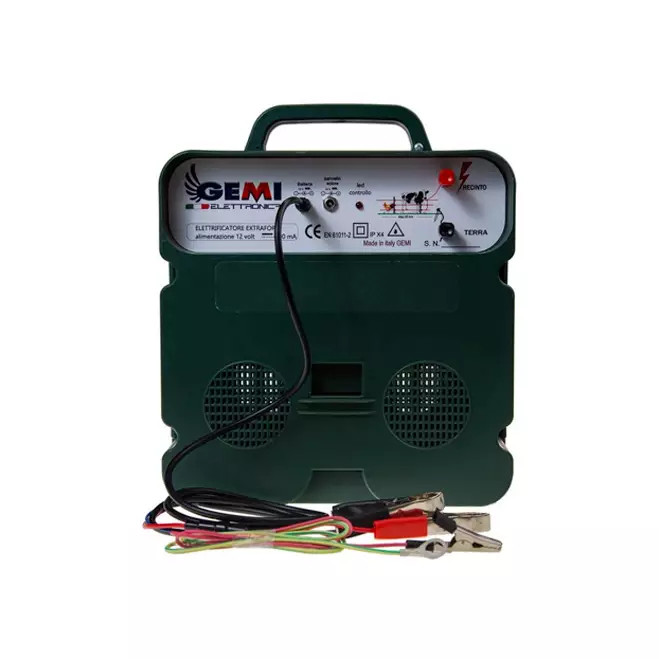
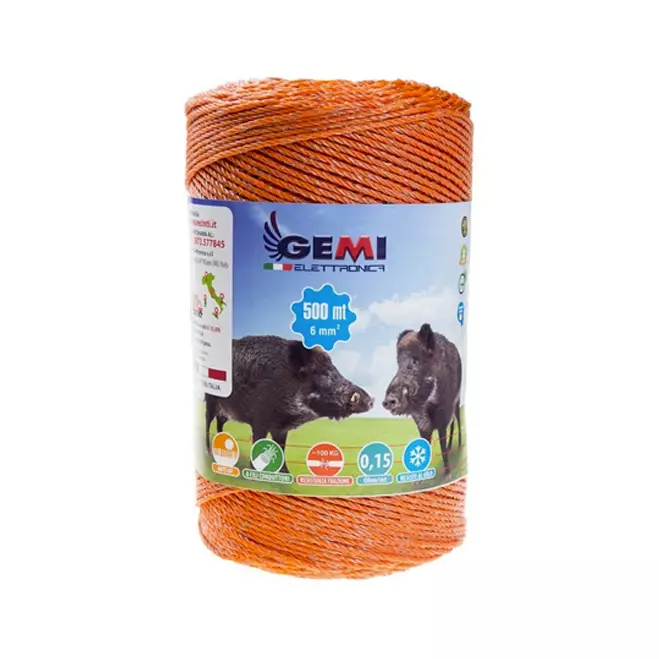
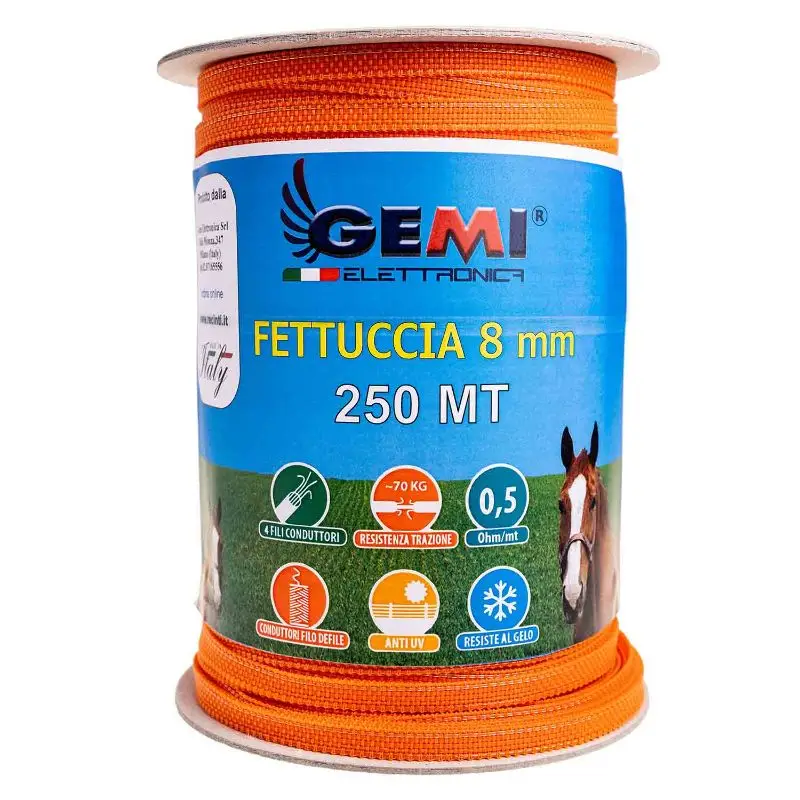
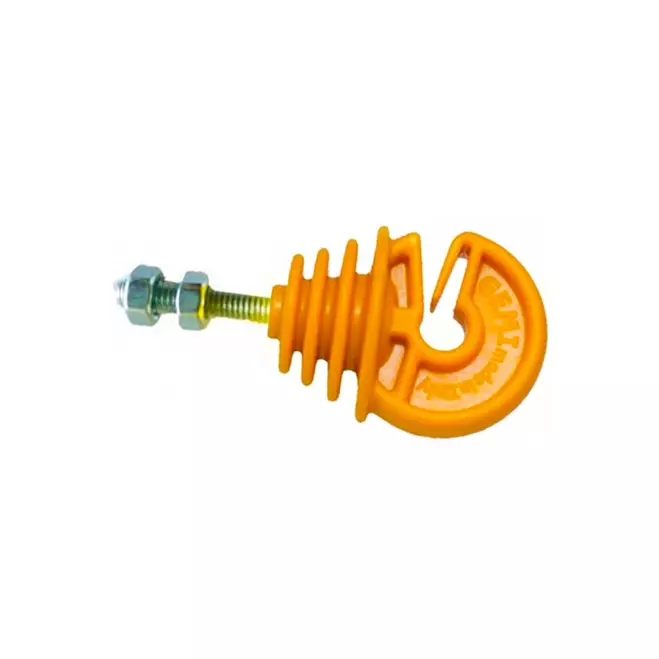
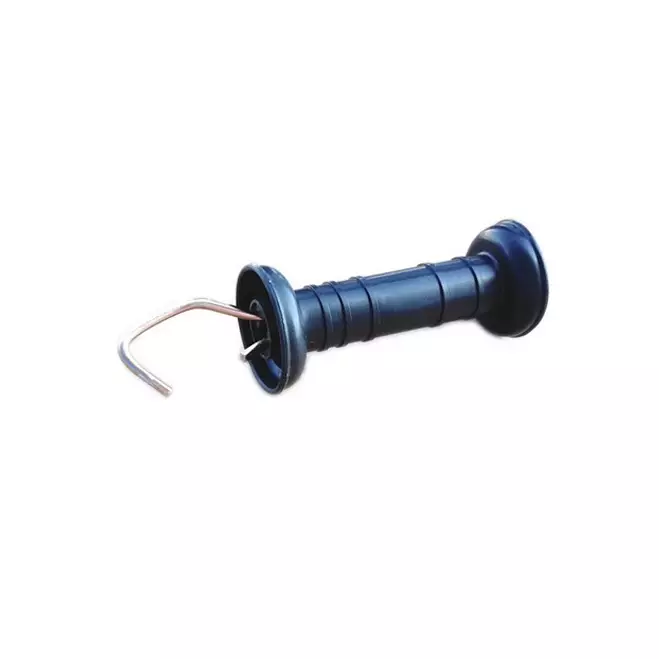
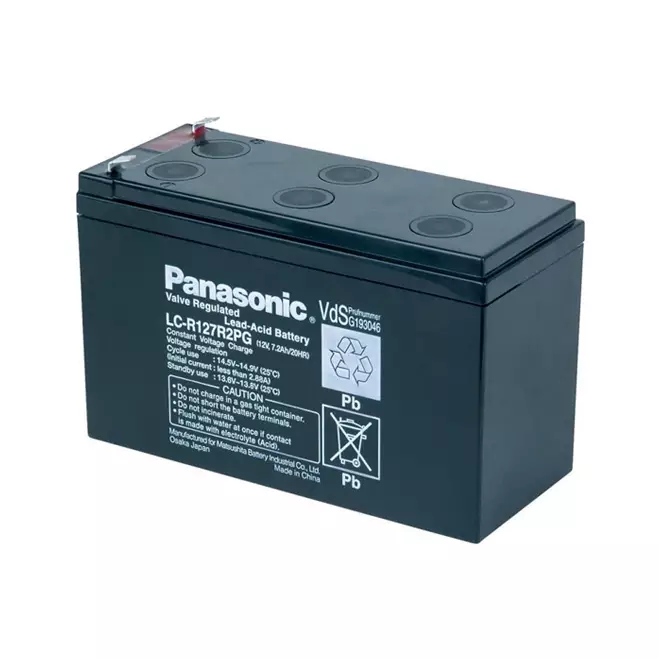
Gemi energizers ensure a constant current along the entire perimeter of the fence, while the high-resistance conductor wire allows for maintaining the charge even over long distances. Insulators and posts ensure a stable structure that can withstand the harshest weather conditions, while the electrical, battery, or solar panel power supply systems allow for use even in remote areas.
This type of solution is particularly suitable for those who need to protect large agricultural lands, because it allows the creation of efficient fences without excessive maintenance costs.
Why electric fencing is the best solution against wild boars
Wild boars are strong, intelligent, and persistent animals, capable of easily overcoming many physical barriers. For this reason, a simple fence isn't always sufficient to protect fields.
Electric fencing is a more effective solution because it combines physical protection with behavioral deterrence, preventing animals from approaching crops. This system reduces damage, protects farmers' livelihoods, and ensures continuous protection year-round, without endangering wildlife.
Furthermore, it is an ecological and environmentally friendly solution, which allows for maintaining a balance between agricultural activity and the presence of wildlife in the area.
For a reliable wild boar fence, Gemi Elettronica offers:
● E/220 energizer with 220 V current – Powerful and suitable for long fences, perfect for areas with a fixed power supply.
● B/12 Battery-Powered Energizer 12V / 220V – Ideal for rural areas or those without access to the grid.
● B/12 Energizer with 12V / 220V Solar Panel – The eco-friendly choice for a fence without running costs.
Conclusions
Understanding what wild boars eat helps us understand why they are increasingly approaching cultivated fields and agricultural areas. Their varied diet and adaptability make them difficult to remove, especially when they find an abundant food source.
For this reason, land and crop protection must be based on effective and long-lasting systems. Gemi electric fences are a reliable solution for protecting fields and livestock, reducing damage and ensuring long-term safety.
Investing in adequate protection means safeguarding your work, protecting your crops, and coexisting harmoniously with wildlife, without sacrificing safety and productivity.