



Anti-marten netting: does it really work? The most effective solution for protecting chicken coops and livestock.
Gemi Elettronica ·
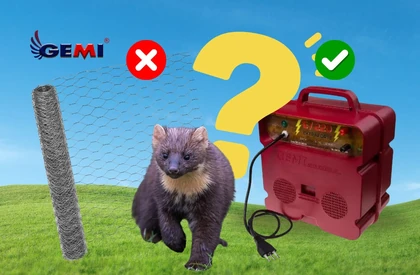
The marten is one of the wild animals that most frequently causes problems for those who own chicken coops, rabbit hutches, or small livestock farms. Despite its small size and seemingly harmless appearance, it is a highly intelligent and determined predator, capable of infiltrating narrow spaces and easily overcoming many traditional barriers. For this reason, more and more people are seeking effective solutions to protect their structures, and among these, marten-proof netting is often the first choice. However, it isn't always sufficient protection, especially when the animal is particularly persistent. Today, more advanced systems, such as electric fencing, offer more effective and long-lasting protection.
The beech marten and its predatory behavior
The beech marten is a carnivorous mammal belonging to the mustelidae family and lives primarily in rural environments, agricultural areas, and areas near country homes. It is nocturnal, agile, and highly adaptable, capable of easily climbing walls, fences, and roofs. Its physical structure allows it to squeeze through very small openings, making it difficult to completely block access with simple barriers.
Its diet consists primarily of small animals, eggs, and birds, making chicken coops and livestock farms an extremely easy source of food. When it enters an animal shelter, it doesn't just capture a single prey item, but can kill multiple animals in a single night, causing significant economic damage and inconvenience. This behavior requires truly effective protection systems, not just temporary solutions.
Anti-marten netting: a widespread protection but with several limitations
Anti-marten netting is often the first solution installed because it provides a simple and relatively inexpensive physical barrier. The basic idea is to prevent the animals from entering the chicken coop through a fence with tight mesh and durable materials. In many cases, it can serve as a first line of defense, especially if installed correctly and maintained in good condition.
However, in practice, several limitations emerge. The marten can gnaw on weaker materials, dig under the netting, or exploit small, imperfectly sealed spaces. Furthermore, thanks to its agility, it can climb and easily overcome obstacles that appear sufficiently high. This means that the netting alone does not always provide complete protection and requires constant checks and maintenance.
The limit of traditional physical barriers
Physical barriers only work as long as they remain perfectly intact, but they don't prevent the animal from attempting to enter anyway. A marten motivated by the presence of food will continue to search for an opening until it finds it, increasing the risk of sudden and difficult-to-prevent damage.
To achieve real protection, it's necessary to adopt a system that doesn't simply physically block access, but also discourages the animal from approaching. This approach is more effective because it affects the predator's behavior and not just the enclosure's structure, significantly reducing the risk of attacks.
Electric fence as the most effective solution
Electric fencing is currently one of the most reliable solutions for protecting chicken coops and livestock. Unlike traditional mesh, it doesn't simply create a barrier; it also provides a deterrent that drives the animal away at the first attempt.
When the beech marten comes into contact with the electrical wire, it receives a light, controlled shock. This isn't dangerous, but it's enough to make it associate that area with risk. After a few negative experiences, the animal learns to avoid the protected area, drastically reducing the likelihood of further attacks. This method is safe, environmentally friendly, and allows for consistent protection over time without resorting to aggressive solutions.
Gemi Elettronica technology for livestock protection
Gemi Elettronica electric fences are designed to offer advanced, long-lasting protection, ideal for those who want to secure chicken coops, livestock farms, and rural structures. These systems are made with durable materials and feature control units that precisely regulate the discharge, ensuring safety for both pets and wildlife.
The option of mains, battery, or solar panel power allows the system to be installed even in remote areas, while the modular design allows the enclosure to be adapted to the size of the plot and the specific needs of the farm. This makes the solution particularly versatile and suitable for both small domestic chicken coops and larger structures.
Why an electric fence is safer than a marten netting
The difference between a mesh fence and an electric fence lies in the way the protection is managed. Mesh is a passive barrier that can be overcome, while an electric fence acts as an active deterrent, preventing animals from approaching. This approach reduces maintenance, increases safety, and ensures continuous protection year-round.
Furthermore, it is an ethical and ecological solution, as it does not harm wildlife and does not use chemicals. The animals are simply deterred from approaching, maintaining a balance between protecting farms and respecting the natural environment.
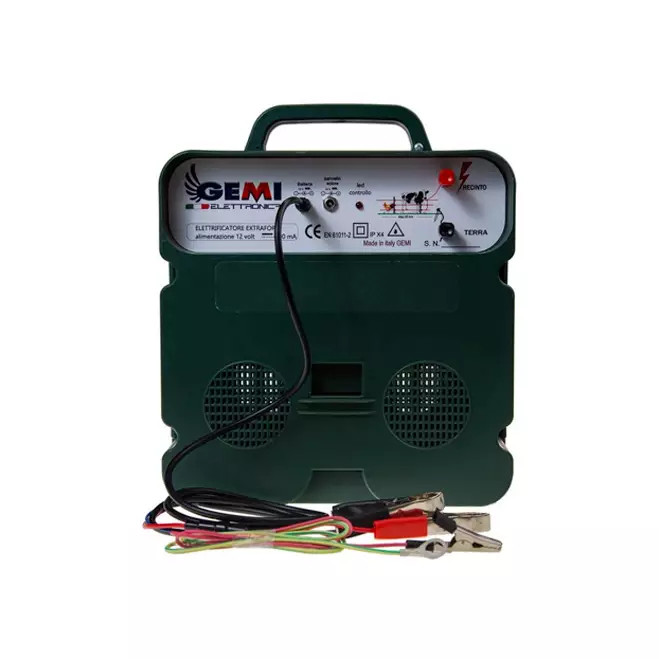
E/220 A energizer Extra strong current 220 V Excellent quality-price ratio, suitable for up to 5 km of fence.
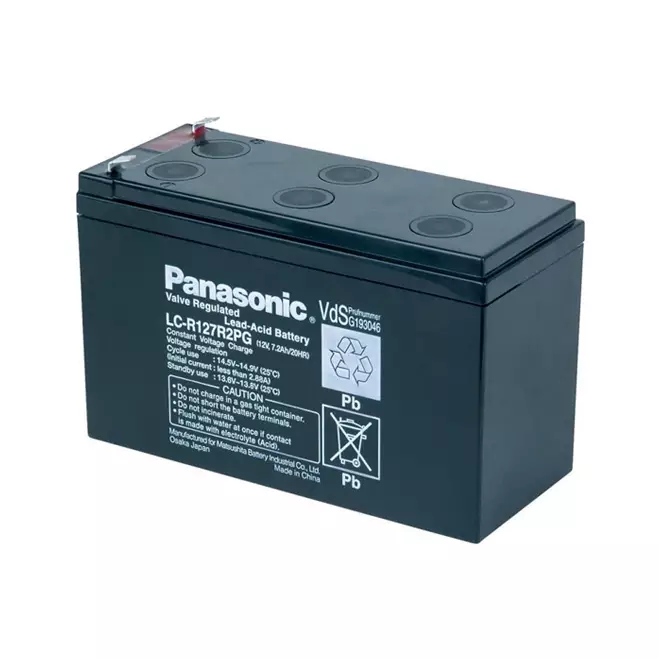
B/12 Extra Strong 12 V Energizer with 2 Rechargeable Batteries Perfect for those who do not have access to the electricity grid.
B/12 energizer with 12V / 220V solar panel Continuous autonomy and zero electricity costs.
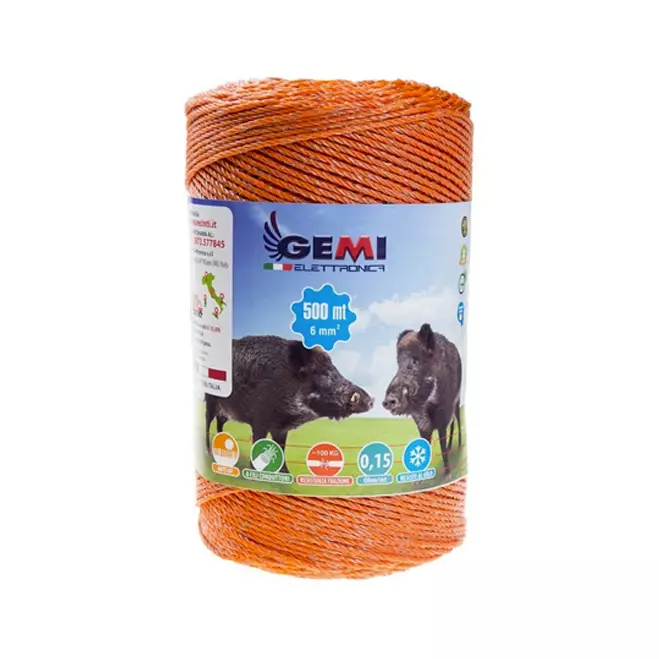
500 m 4 mm² wire High conductivity and resistance, available in various formats.
Conclusions
Anti-marten netting can be a first line of defense, but it's not always sufficient to fully protect chicken coops and livestock. Martens are intelligent animals, capable of adapting and easily overcoming many traditional physical barriers. For this reason, more and more farmers are choosing electric fencing as a permanent solution.
A reliable technological system helps reduce risks, protect animals, and ensure long-term peace of mind. Investing in effective protection means safeguarding your business and ensuring constant protection day and night, with a safe and environmentally friendly solution.