





How to light a fireplace? The definitive guide between tradition and technology.
Gemi Elettronica ·

There's nothing more welcoming than the crackling sound of a roaring fireplace on a cold winter's day. However, what should be a relaxing experience can quickly turn into a domestic nightmare if the fire struggles to get going or, worse still, if smoke fills the room. Knowing how to light a fireplace isn't just a matter of skill, but a true combination of physics, choice of materials, and proper airflow management.
In this guide, we'll explore the most effective techniques for getting a vibrant flame in minutes and see how Gemi Elettronica technology can permanently solve the problem of insufficient draft.
Preparation: choosing the wood and the "Top-Down" method
A successful lighting session begins long before you strike a match. The quality of the fuel is the determining factor: using damp wood not only makes lighting difficult, but also produces excessive smoke and creosote, which fouls the chimney and fireplace glass. It's essential to use wood that's been seasoned for at least 18-24 months, with a moisture content of less than 20%.
In recent years, the traditional method of placing the paper at the bottom and the large logs on top has been replaced by the more efficient Top-Down method . This technique reverses the classic logic: the larger logs are placed at the base, the smaller logs are crisscrossed over them (known as "kindling"), and finally the kindling is placed on top.
This system allows the gases from the wood below to burn as they rise through the already formed flame, drastically reducing initial smoke emissions and heating the flue more gradually and evenly.
The crucial role of the initial draft
A fireplace that smokes when lit is often the victim of a "cold air trap." The air inside the chimney, being colder than the air outside or inside the house, is heavy and pushes downward, preventing the hot smoke from rising. To overcome this resistance, it is necessary to establish a draft immediately.
Many experts suggest preheating the flue by burning a paper torch near the opening, but this method isn't always effective, especially in low atmospheric pressures or chimneys with irregular flues. This is where physics meets technology: controlled forced extraction is the ultimate solution to ensure the airflow is always directed outward from the very first second.
Eliminate the problem at the root: the Gemi Elettronica smoke extractor
Even with the best wood in the world, many fireplaces suffer from structural defects or unfortunate placement that make lighting a chore. Short flues, 90-degree bends, or areas subject to strong headwinds can make natural draft insufficient.
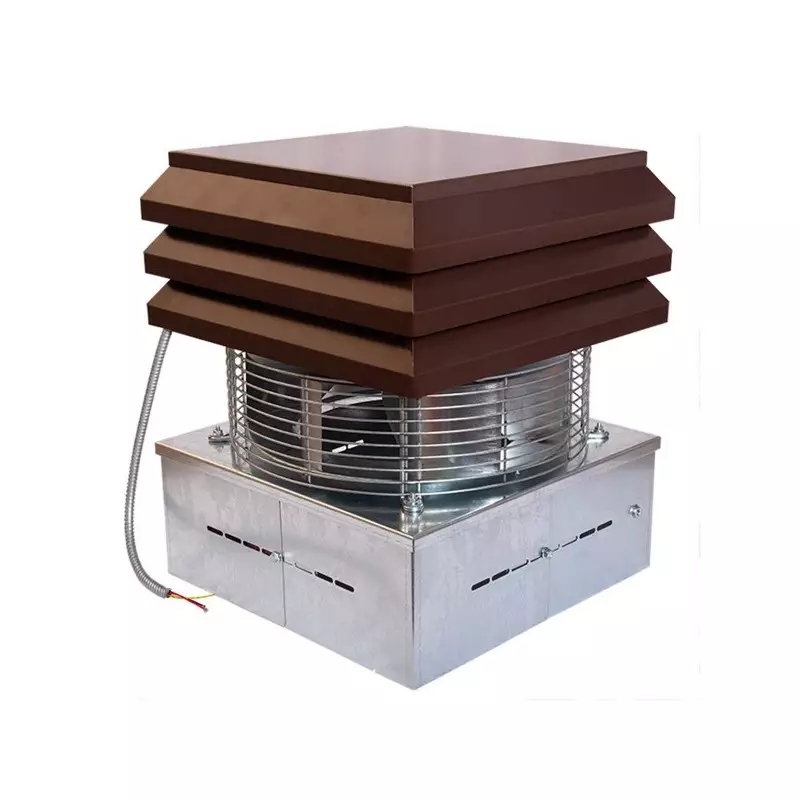
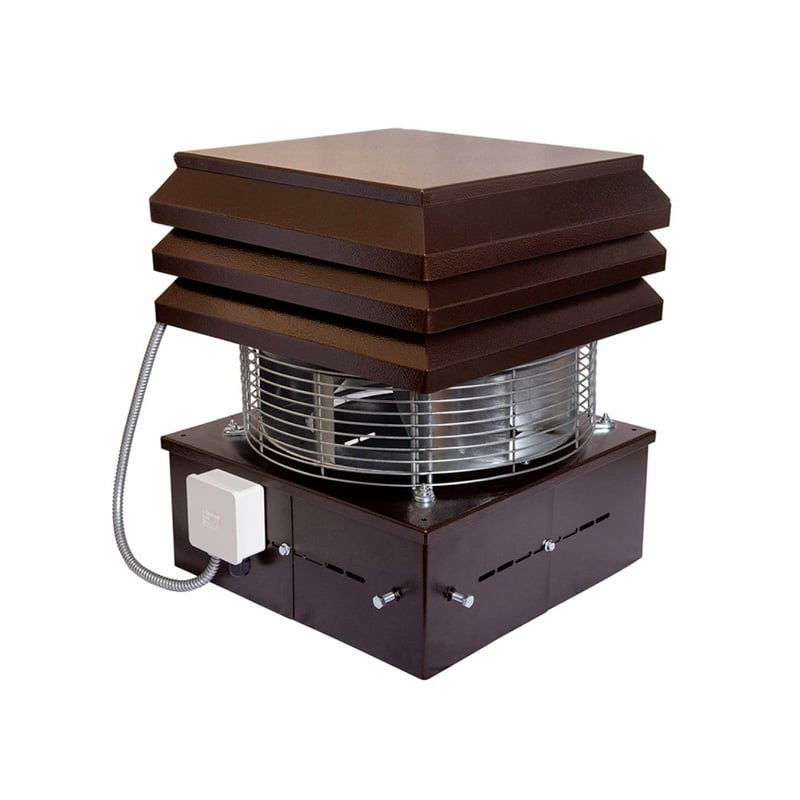
Gemi Elettronica , a leader in the industry, has designed a range of professional fireplace extractors that revolutionize the way we experience fires. The electric extractor not only manages the fire when it's already burning, but is also a crucial tool during the lighting phase. By turning the extractor on at low speed before lighting the fire, an artificial vacuum is created that draws in stagnant cold air and encourages the flame to rise vigorously.
Thanks to the speed regulator, it is possible to modulate the power: maximum during ignition to avoid any smoke release, and minimum once the fireplace is up to speed, to optimize wood consumption and keep the heat inside the room without dispersing it too quickly.
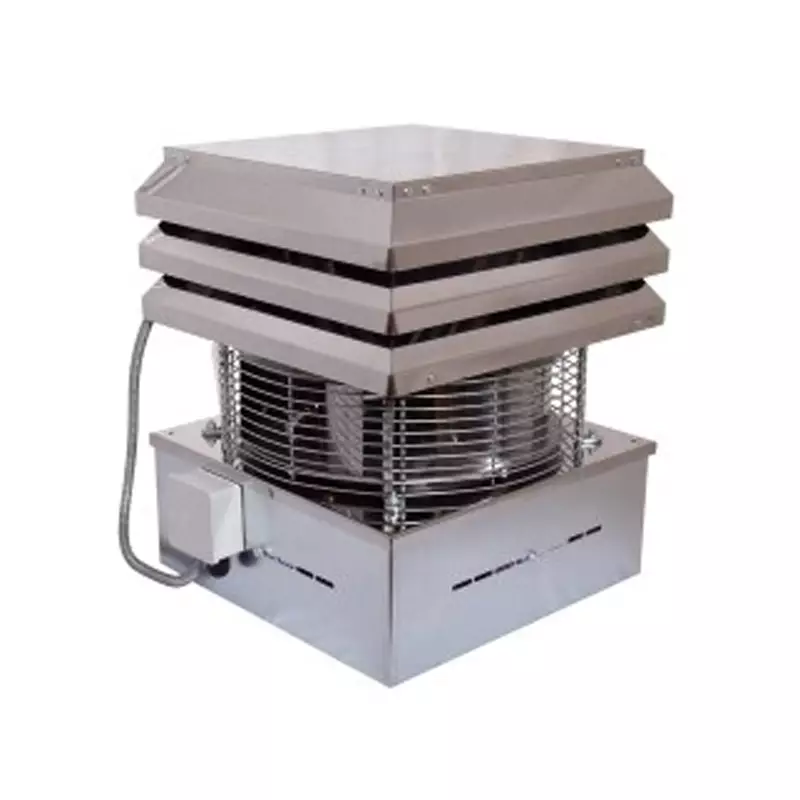
To meet the diverse needs of its customers, GEMI Elettronica offers various models of fireplace extractors.
Basic model vacuum cleaner
The ideal model for those seeking a simple yet effective solution to chimney smoke. It ensures excellent draft and reduces the risk of smoke backflow into the home. It's easy to install and perfect for small to medium-sized fireplaces.
Professional model vacuum cleaner
Designed for intensive use, this model guarantees maximum suction power even in the largest fireplaces or in difficult situations. It's the right choice for those who want high performance and the certainty of a consistently perfect draw.
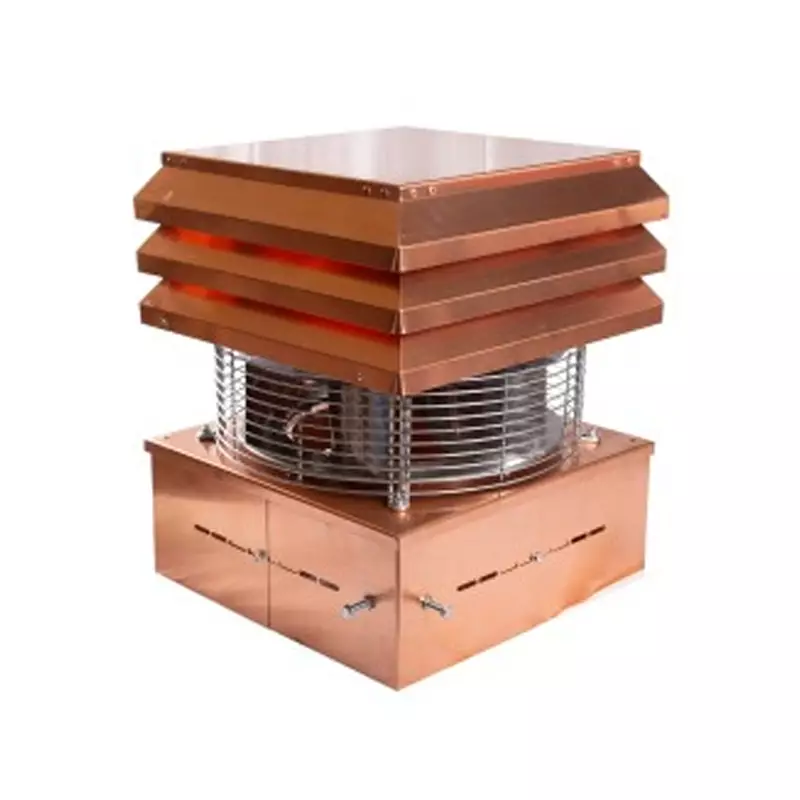
Round copper model extractor fan
In addition to its functionality, this extractor combines design and elegance thanks to its copper finish. It complements rustic fireplaces or refined spaces perfectly, without sacrificing the power and efficiency that distinguish our products.
Maintenance for safe combustion
In addition to lighting techniques and technological assistance, routine maintenance should never be overlooked. A chimney clogged with soot or bird nests reduces the airflow, rendering all efforts futile. It's good practice to have the flue cleaned by a professional chimney sweeper at least once a year.
Installing a Gemi chimney extractor also protects your flue from the elements and outside intruders, while also serving as a professional chimney cap. Its sturdy construction and high-temperature resistance ensure the investment will last, transforming an old, problematic fireplace into an efficient and safe heat source.
Practical tips for a perfect fire
To conclude, here are some key steps to follow every time you decide to light your fireplace:
- Open the vents: Make sure the fireplace dampers and any outside air vents are fully open.
- Place your wood carefully: Use the “Top-Down” method for cleaner burning.
- Turn on the Gemi extractor: Turn on the extractor at medium speed to stabilize the airflow.
- Use natural firelighters: Avoid using alcohol or flammable liquids, which are dangerous and produce unpleasant odors; instead, use wax cubes or wood wool.
- Monitor the flame: Once the large logs have caught fire, you can turn down the fan power to enjoy the radiant heat.
Lighting a fireplace no longer has to be a stressful experience, tied to the fear of making a mess or breathing in smoke. With the right technique and the support of Gemi Elettronica technology, the ritual of the fire becomes a pure pleasure again, combining the ancient charm of the hearth with the safety of modern engineering.