





How to test an electric fence
Gemi Elettronica ·
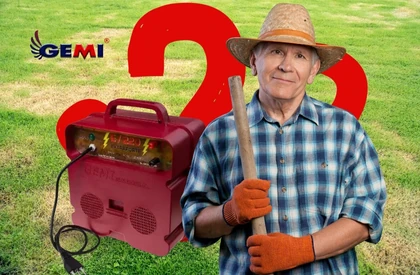
Testing an electric fence is essential to ensure the system is functioning properly and performing its containment function effectively. A seemingly active system may not be delivering sufficient voltage or may have leaks that compromise its performance.
Carrying out periodic checks helps prevent problems, improve safety and ensure consistent operation over time.
Why is it important to test it?
An electric fence works by emitting electrical pulses that discourage animals from approaching or crossing the perimeter. If these pulses are too weak or irregular, the system becomes ineffective.
Testing the fence means ensuring that the voltage is adequate, that there are no leaks, and that all components are functioning properly. This is an essential step both after installation and during use, especially if any anomalies are detected.
When to take the test
There is no single time to check the fence: testing should become a regular practice.
It is advisable to check the system after initial installation, after intense weather events such as rain or strong winds, and whenever you notice any unusual behavior, such as animals coming too close to the wire without reacting.
Even a periodic check, for example weekly, helps to keep the system always efficient.
How to measure voltage
The most accurate way to test an electric fence is to use a special tester. This tool allows you to measure the voltage on the wire and verify whether it is within the correct range.
For a dog fence, the tension should be sufficient to deter the dog without being dangerous. Too low a tension indicates a problem, while too high a tension can be unnecessarily aggressive.
The tester must be placed directly on the conductor wire, following the device's instructions, to obtain an accurate reading.
Check for any leaks
One of the most common problems with electric fences is current leakage. This occurs when some of the energy is lost along the path, reducing the system's effectiveness.
The most common causes include contact with tall grass, branches, debris, or damaged insulators. Improper connections can also cause leaks.
To identify leaks, it's helpful to measure the voltage at several points along the fence. If you notice a significant decrease along the path, there's likely a leak in that area.
Check the main components
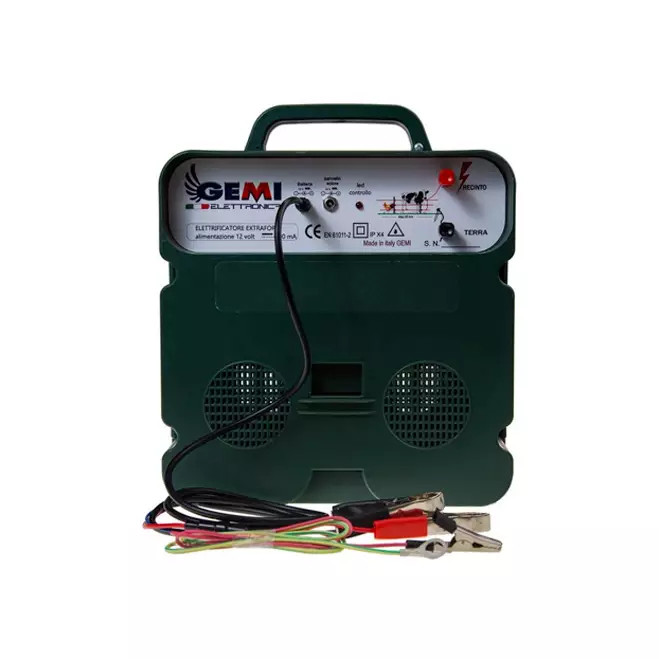
In addition to voltage, it's important to check the overall condition of the system. The energizer must function properly, without interruptions or anomalies.
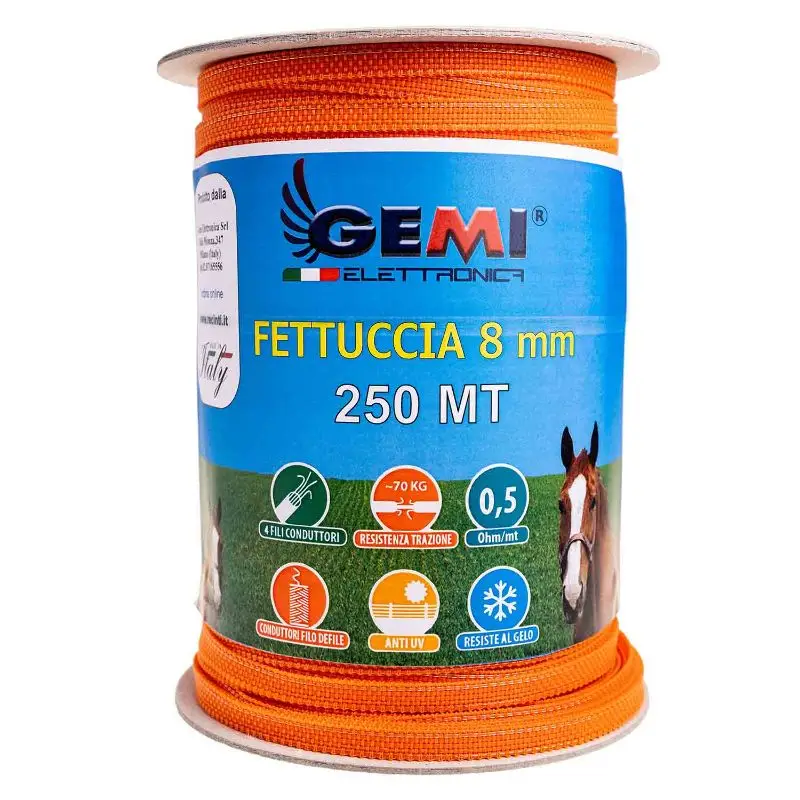
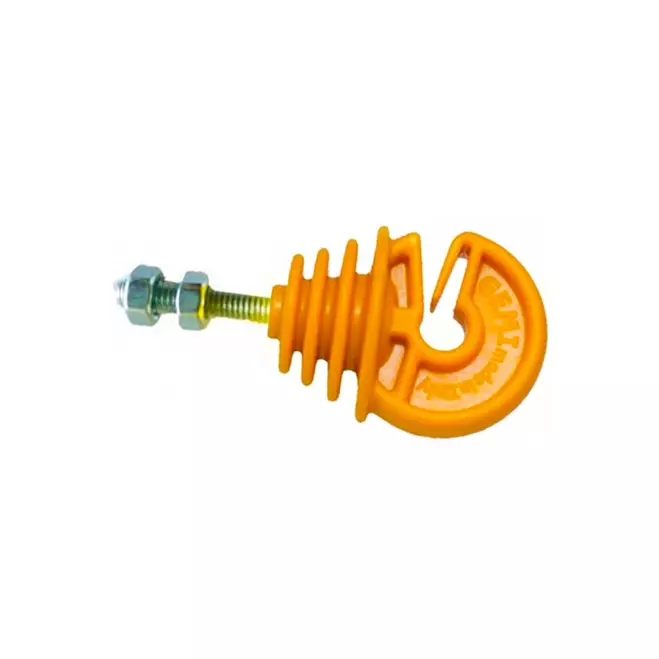
The conductor wire must be intact and taut, with no breaks or signs of wear. Insulators must keep the wire separate from the poles and free of cracks or damage.
Grounding is also a crucial element: an inefficient ground drastically reduces the power of the pulse and compromises the functioning of the fence.
Malfunction signals
There are some signs that indicate the need for immediate testing.
If the fence produces unusual noises, such as frequent popping sounds, or if the animals no longer respond to contact, the system is likely not working properly.
Even sudden changes in performance or difficulties in containment are indicators that should not be underestimated.
Do-it-yourself tests: be careful about safety
It's important to avoid improvised methods of testing the fence, such as touching the wire directly. While the impulse isn't dangerous, it can be annoying and isn't a reliable test method.
The use of appropriate tools ensures precise and safe control, avoiding unnecessary risks.
The importance of a reliable system
An efficient electric fence depends not only on maintenance, but also on the quality of its components. Systems designed with appropriate materials and advanced technologies maintain stable performance and reduce the risk of problems.
Gemi Elettronica offers reliable and professional solutions, designed to ensure signal continuity and long-term safety. Attention to construction quality allows for systems that are easier to manage and less susceptible to dispersion.
For a reliable fence, Gemi Elettronica offers:
- E/220 energizer with 220 V current – Powerful and suitable for long fences, perfect for areas with a fixed power supply.
- B/12 Battery-Powered Energizer 12V / 220V – Ideal for rural areas or those without access to the grid.
- B/12 Energizer with 12V / 220V Solar Panel – The eco-friendly choice for a fence without running costs.
Conclusion
Testing an electric fence is a simple but essential operation. It allows you to verify the system's proper functioning, prevent malfunctions, and ensure animal safety.
With regular checks and the right tools, it is possible to keep the system always efficient and achieve consistent performance over time.