




When your chimney smokes, what causes it? Common causes and definitive solutions
Gemi Elettronica ·

Lighting a fireplace should be a moment of pure relaxation, but it often comes with an unpleasant inconvenience: smoke that, instead of rising up the chimney, invades the living room. Besides dirtying walls and furnishings, the backflow of smoke makes the air unbreathable and ruins the home's atmosphere.
But why does a chimney smoke? There isn't a single cause, but rather a series of physical and structural variables that can affect proper draft. Understanding the source of the problem is the first step to finding the most effective solution. In this guide, we'll analyze the main reasons why a chimney smokes and how to address them with Gemi Elettronica technologies.
1. Structural problems of the chimney
The most common cause is related to the design or condition of the chimney. A chimney must be built according to precise physical laws to allow hot gases (lighter than air) to rise.
- Incorrect dimensions: If the flue is too short, it cannot generate sufficient vacuum to "draw" the smoke. Likewise, a diameter that is too narrow compared to the chimney mouth will restrict the passage, while one that is too wide can cool the fumes too quickly, causing them to fall back down.
- Blockages and dirt: Soot deposited on the interior walls gradually reduces the space for smoke to escape. Furthermore, bird nests or debris that has fallen inside can almost completely block the flue, causing dangerous smoke backflow.
- Presence of 90-degree bends: Every deviation or constriction in the flue creates resistance. If the flue has too many right angles or horizontal sections, the smoke slows down and tends to stagnate.
2. The temperature change and the "plug" of cold air
Natural draft is based on temperature differences: the hot air from the fire rises because it is less dense than the cold outside air. However, when the fireplace is lit after a long time, the flue is filled with cold, heavy air that acts like a "plug."
Until the flue heats up, the smoke lacks the strength to push this column of cold air away and ends up exiting through the chimney. This phenomenon is particularly noticeable on very humid days or when the flue is positioned on an exterior wall of the house, thus being more exposed to low temperatures.
3. Atmospheric factors and air pressure
Sometimes the fireplace works perfectly on some days and terribly on others. This often depends on the weather outside.
- Wind: If the chimney isn't designed to be windproof, a strong gust of wind can push smoke down the flue. Furthermore, if the home is located near tall obstacles (such as trees, hills, or other buildings), turbulence can form that hinders the escape of gases.
- Low pressure: On rainy or humid days, atmospheric pressure "squeezes" the smoke, making natural draw much more difficult.
4. Lack of external air intake (Vacuum effect)
In modern homes, characterized by excellent thermal insulation and airtight windows, the fireplace can suffer from "air starvation." To function, the fire needs to consume oxygen; if the room is sealed, an internal depression is created.
At a certain point, the fireplace will begin to draw air from the flue to fuel combustion, dragging smoke into the room. This problem is often exacerbated by the simultaneous use of kitchen extractor hoods or VMC fans, which draw additional air from the room.
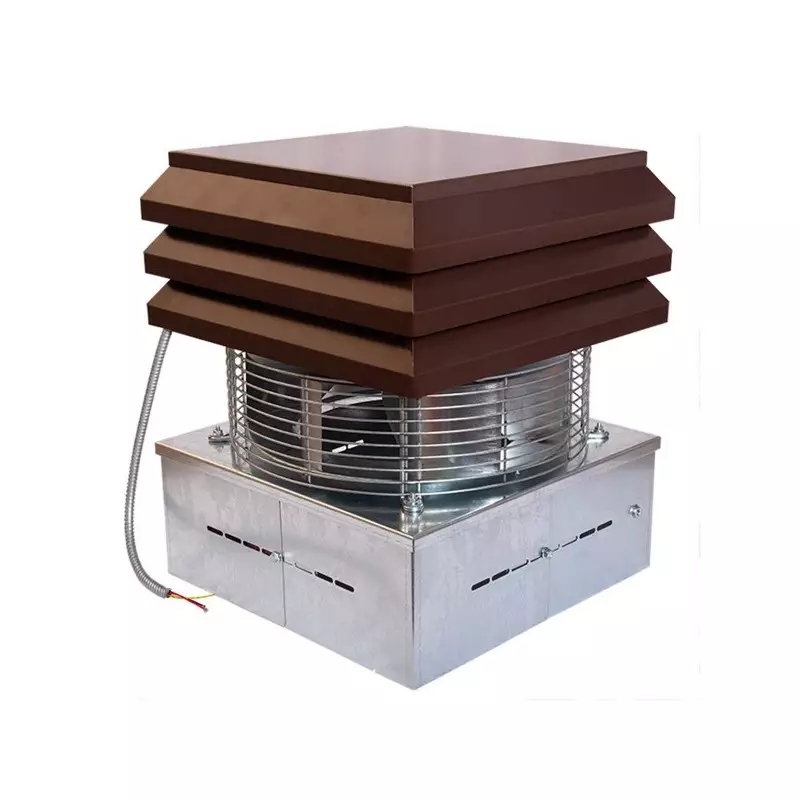
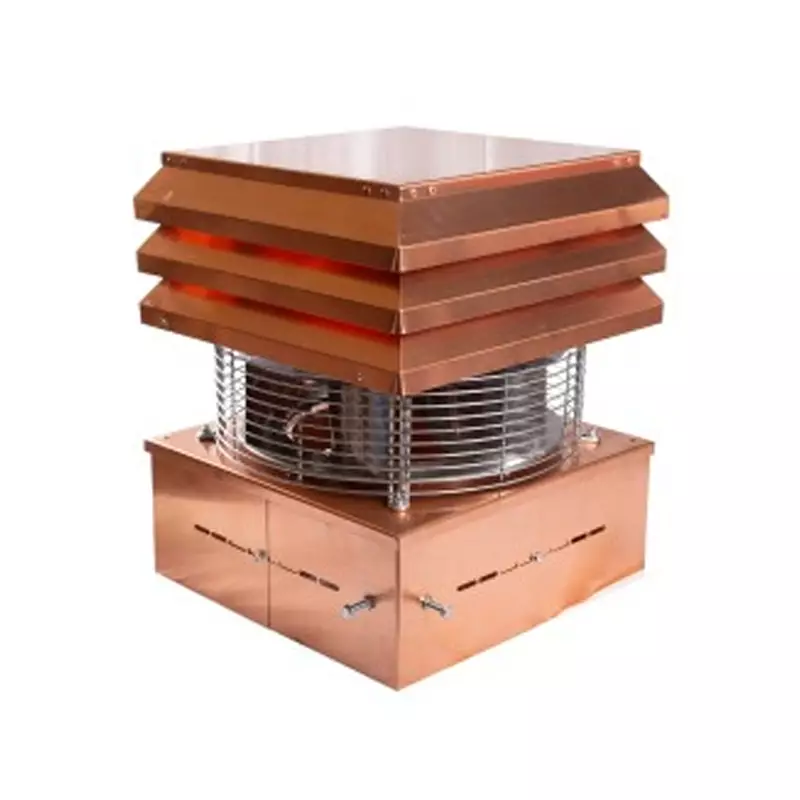
The ultimate solution: the Gemi Elettronica electric smoke extractor
If your chimney smokes, the solution doesn't necessarily involve expensive renovations. Gemi Elettronica fireplace extractors are designed to address any draft problem at the root, regardless of the cause.
By installing an electric extractor fan on top of the duct, you get immediate benefits:
- Constant forced draft: The extractor creates a mechanical depression that draws smoke upwards, overcoming cold air plugs, partial obstructions or defects in the slope of the chimney.
- Customized regulation: Thanks to the speed regulator, you can set the maximum power during ignition (when the smoke is thickest) and reduce it once the fire is at full capacity, ensuring perfect combustion without heat loss.
- Weather-independent: With a Gemi vacuum cleaner, wind and low pressure are no longer a problem. The motor is designed to withstand high temperatures and adverse weather conditions, ensuring safe operation in all seasons.
Conclusion
Understanding the causes of chimney smoke is essential for successful intervention. Whether it's a design flaw, a cold flue, or adverse weather conditions, technology can come to the rescue of tradition.
Choosing a Gemi Elettronica extractor means eliminating the smell of smoke from your home forever, protecting your family's health, and rediscovering the pleasure of a fireplace that always works right away, under any conditions.
Discover our best fireplace extractors:
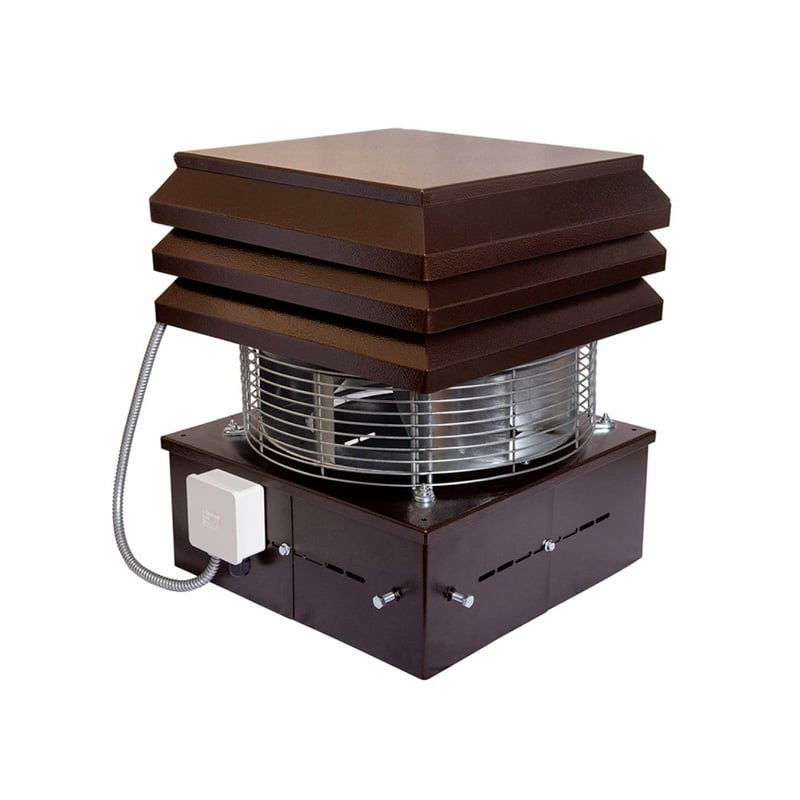
Professional Model Chimney Extractor
The GEMI Professional extractor fan is the ideal solution for those seeking maximum performance. It guarantees a powerful and consistent draw, even in larger fireplaces or in difficult conditions. Made with materials resistant to high temperatures, it ensures reliability and a long life. Perfect for intensive and professional use.
Basic Model Chimney Extractor
The Base model is the practical and economical choice for solving smoke problems in your home. Easy to install, quiet, and effective, it immediately improves chimney draft, creating a healthier and more comfortable environment. Ideal for everyday home use.
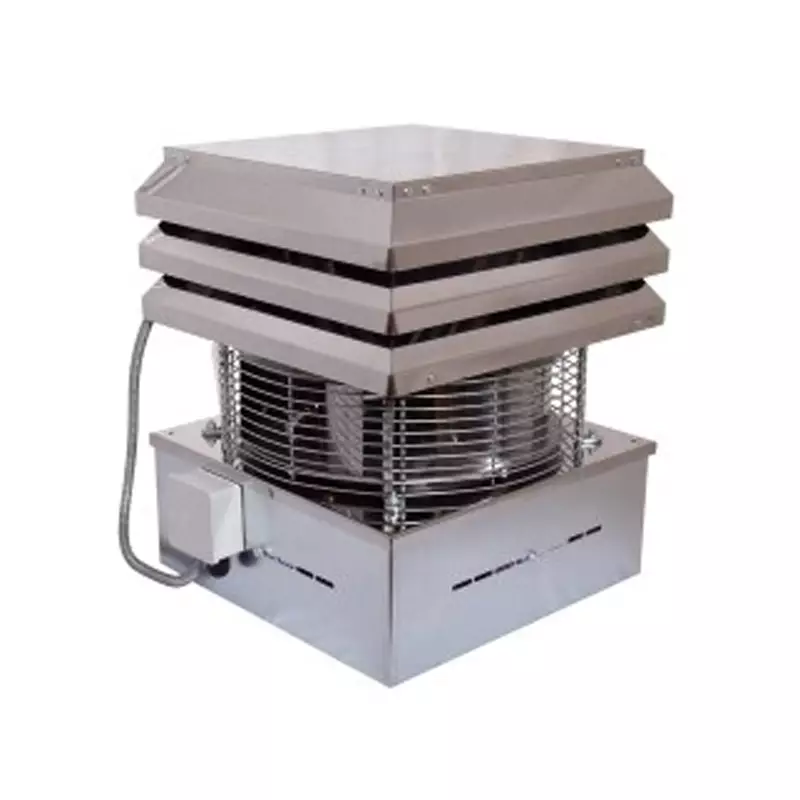
Steel Model Fireplace Extractor
Sturdy and elegant, the GEMI Steel extractor combines modern design and maximum durability. Designed to last and withstand the elements. A premium choice for those seeking efficiency, aesthetics, and reliability.