



Does the chimney smoke when it's windy?
Gemi Elettronica ·
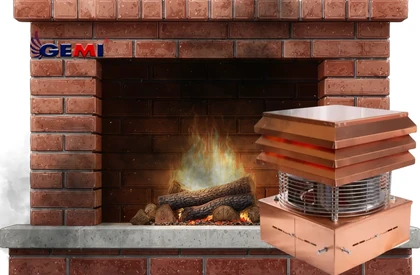
It's a fairly common situation: on windy days, the chimney starts to smoke, sometimes even inside the house. This phenomenon can be annoying and, in some cases, worrying. But why does it happen?
The behavior of smoke in a fireplace is closely linked to draft, or the flue's ability to convey fumes to the outside. While wind can aid this process, it can also hinder it, creating turbulence and inversions in flow.
Understanding the causes is the first step to solving the problem effectively.
The role of wind in draft
Wind directly affects the air pressure around the chimney. Under ideal conditions, it creates a vacuum that helps smoke rise. However, when the wind is strong or irregular, it can create vortices that push air up the chimney.
This phenomenon, called “back pressure,” prevents smoke from exiting properly and can cause it to back up, all the way into the home.
So it's not the wind itself that's the problem, but the way it interacts with the chimney structure.
Inadequate or absent chimney
One of the main causes of smoke in windy conditions is an improperly installed chimney. The chimney's purpose is to protect the flue outlet and promote proper draft, preventing direct wind entry.
If the fireplace has no chimney, or one that is too simple or poorly designed, wind can easily enter the flue, disturbing the flow of smoke.
Chimney vents, designed to deflect drafts, often represent an effective and permanent solution.
Height and position of the chimney
Another determining factor is the height of the chimney above the roof and surrounding obstacles. If the chimney is too low or positioned near walls, trees, or taller buildings, wind can create turbulence right at the flue outlet.
This turbulence compromises draft and encourages smoke to backfire. A well-designed chimney should extend above the roof ridge and be positioned free of obstructions.
Internal draft problems
The cause isn't always external. Internal draft can also be insufficient, especially in the presence of:
- dirty or clogged chimney
- inadequate diameter
- route with too many curves
- small temperature difference between inside and outside
When the draft is already weak, the wind becomes an aggravating factor, making the problem more evident.
Insufficient air in the environment
To function properly, a fireplace requires combustion air. If the space is too sealed—for example, in modern homes with high-tightness windows—an internal vacuum can form that hinders the rising of smoke.
In the presence of wind, this situation can worsen, encouraging smoke to re-enter the home. Proper ventilation or the installation of dedicated vents can significantly improve the fireplace's performance.
Solutions to prevent smoke from blowing in the wind
Addressing the problem requires a comprehensive analysis of the system. The most effective solutions include installing a chimney cowl, checking the flue height, and periodically cleaning the flue.
In some cases, it may be necessary to intervene with forced extraction systems or improve the air supply within the room.
It's important to avoid makeshift solutions: a malfunctioning fireplace is not only inconvenient, but can also pose a safety risk.
Every home has different needs, which is why we offer multiple solutions:
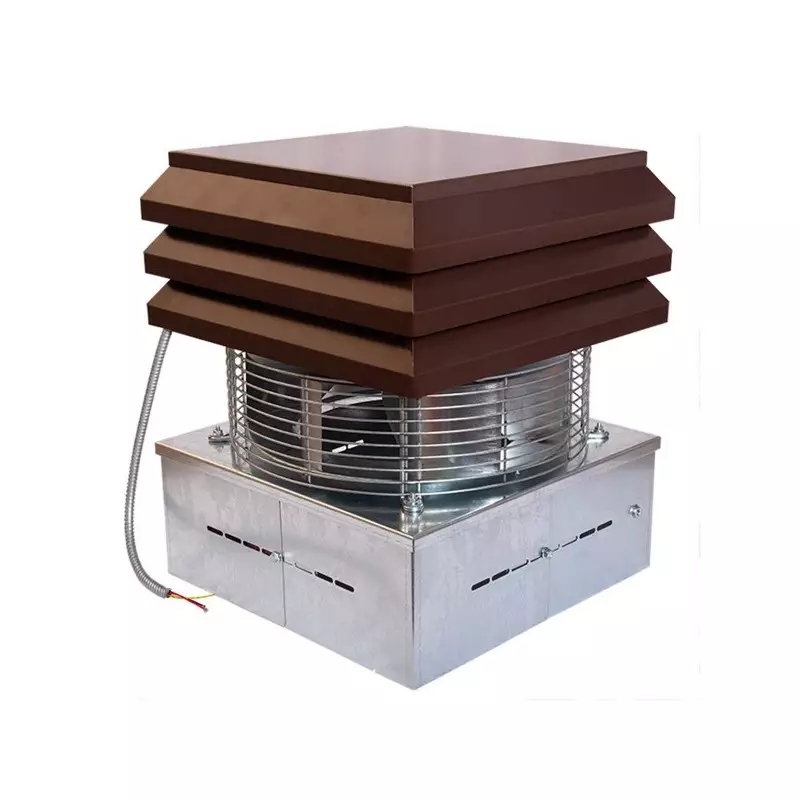
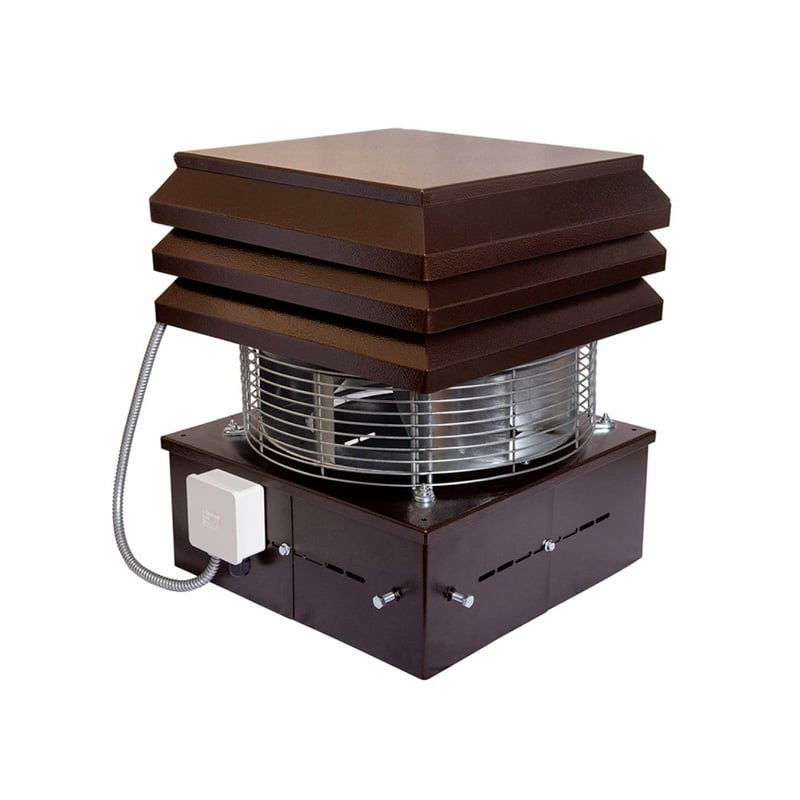
Corten steel model extractor fan
A highly corrosion-resistant product, designed to last even in areas exposed to the elements. The Corten steel finish makes it ideal for those seeking uncompromising strength and reliability.
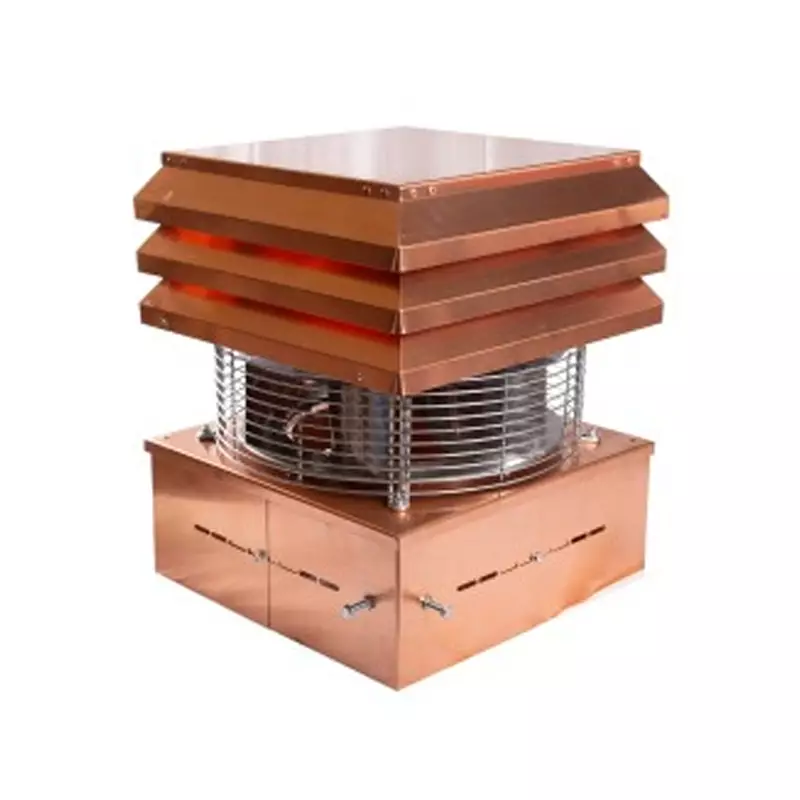
Copper model aspirator
It combines efficiency and design: the copper finish makes it perfect for homes with traditional roofs or in prestigious architectural settings. It ensures excellent draft and integrates aesthetically with the building.
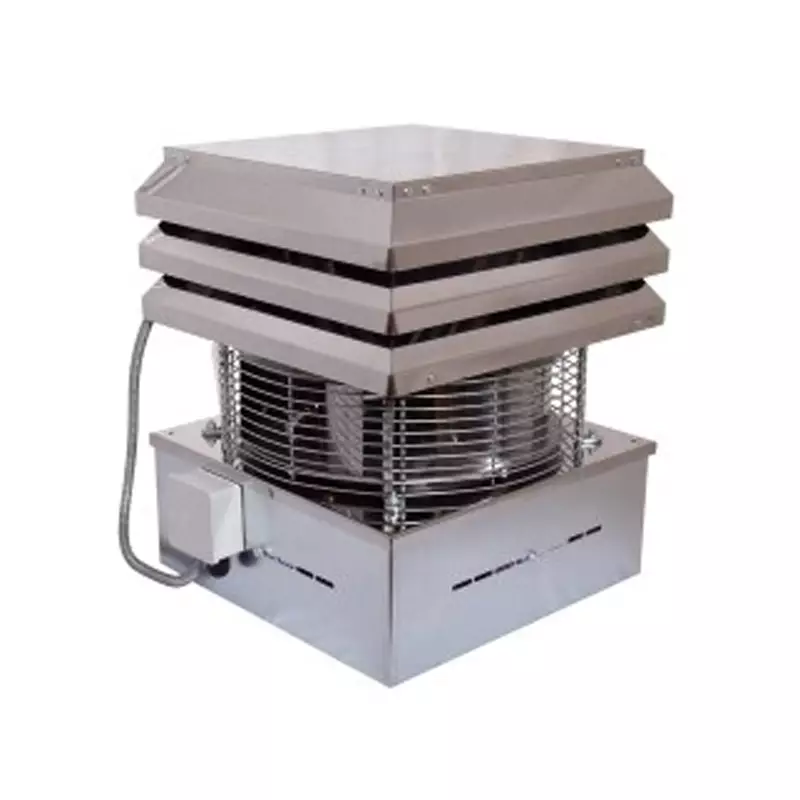
Professional round model vacuum cleaner
The best choice for those who require maximum performance. Suitable for large fireplaces, restaurants, pizzerias, or homes requiring constant and powerful extraction.
Safety and reliability first
A chimney that smokes when it's windy is a sign that something isn't working as it should. Prompt intervention improves living comfort and prevents more serious problems.
Relying on reliable technical solutions and quality components is essential to guarantee correct and constant draught over time.
Gemi Elettronica, with its experience in the sector, offers solutions designed to improve system management and increase safety. Attention to detail and the quality of the components allow for high performance even in challenging environmental conditions, such as strong or variable winds.
Conclusion
Yes, when it's windy, your chimney can produce smoke, but it's not inevitable. In most cases, it's a structural or draft issue, which can be resolved with the right interventions.
Analyzing the causes and choosing appropriate solutions allows you to enjoy your fireplace with complete peace of mind, without inconvenience and in complete safety.