



How harmful is chimney smoke? Risks and solutions for clean air.
Gemi Elettronica ·
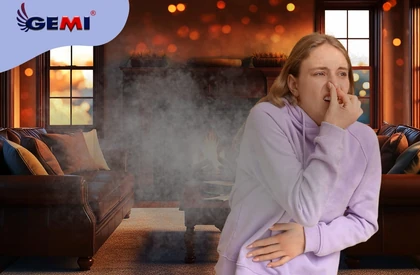
The allure of a flame dancing in a fireplace is timeless, but behind the cozy atmosphere lies a question that many homeowners are increasingly concerned about: how harmful is breathing in fireplace smoke? Although fire has been the center of domestic life for millennia, modern science has clarified that the emissions produced by burning wood are not harmless if regularly inhaled indoors.
In this article, we'll analyze the composition of wood smoke, its health effects, and, most importantly, how to continue enjoying the warmth of your hearth while eliminating risks through proper draft management and the use of advanced technologies like professional extractors.
The composition of wood smoke: an invisible mix
The smoke produced by burning wood isn't just water vapor and ash. It's a complex cocktail of gases and fine particles. Among the most critical components are carbon monoxide (CO), nitrogen oxides, volatile organic compounds (VOCs), and, in particular, particulate matter , known as PM10 and PM2.5.
These particles are so infinitesimal that they can pass through the natural barriers of our respiratory system. While larger particles are trapped in the nose or throat, PM2.5 can penetrate deep into the lungs and even reach the bloodstream. In a poorly drafted fireplace, these substances accumulate in the home rather than being expelled through the flue, drastically worsening indoor air quality.
Short- and long-term health effects
Exposure to wood smoke can have varying effects depending on the duration and intensity of inhalation. Common short-term symptoms include eye irritation, cough, sore throat, and, in some cases, persistent headaches due to the presence of carbon monoxide. Those with asthma or allergies may notice an immediate worsening of symptoms as soon as the fireplace is lit.
In the long term, poor chimney ventilation can contribute to the development of chronic respiratory diseases or cardiovascular problems. The risk is particularly high for the most vulnerable, such as children, whose lungs are still developing, and the elderly. It's important to emphasize that the danger doesn't come from the chimney itself, but from the malfunctioning of the smoke exhaust system . A smoking chimney in your home isn't just an aesthetic nuisance that dirties your furniture, but a warning sign for your lung health.
Why does smoke linger in the house?
There are several technical reasons why smoke, instead of rising up the chimney, decides to invade the living room. Often, the cause is structural: a chimney that's too cold, too short, or has too many bends can restrict the natural draft. Other times, the culprit is atmospheric pressure or an overly insulated home (with modern, airtight windows), which prevents the air circulation needed to push the smoke upward.
When natural ventilation fails, the concentration of pollutants in the air can rise rapidly. In these cases, opening windows to ventilate the home only temporarily solves the problem, dispersing the heat produced and creating cold drafts that negate thermal comfort.
The technological solution: the Gemi Elettronica vacuum cleaner
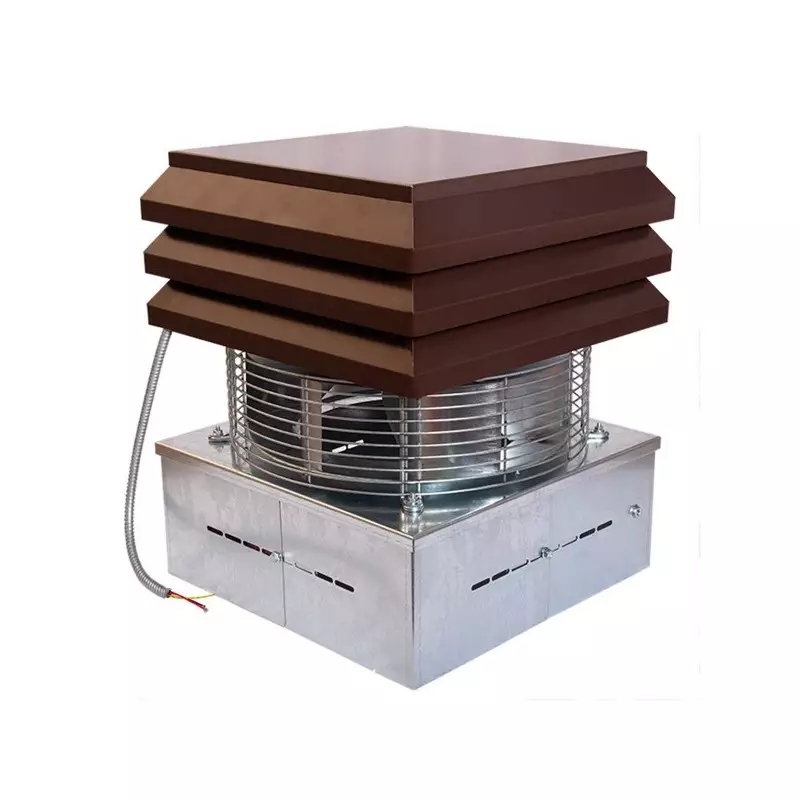
The ultimate solution to making your fireplace 100% safe is to ensure a constant, forced draft. Gemi Elettronica fireplace extractors are designed specifically to purify the air in your home. Installing an electric extractor at the top of the chimney creates an artificial vacuum that forces smoke and all fine particles to rise up the flue, regardless of weather conditions or chimney defects.
Using a professional extractor means eliminating PM2.5 and carbon monoxide buildup inside your home. Gemi technology allows you to adjust the suction power: when lighting a fire or adding new wood (when smoke production is at its peak), you can increase the speed to ensure complete air purification, then lower it to maintain a slow, pleasant combustion.
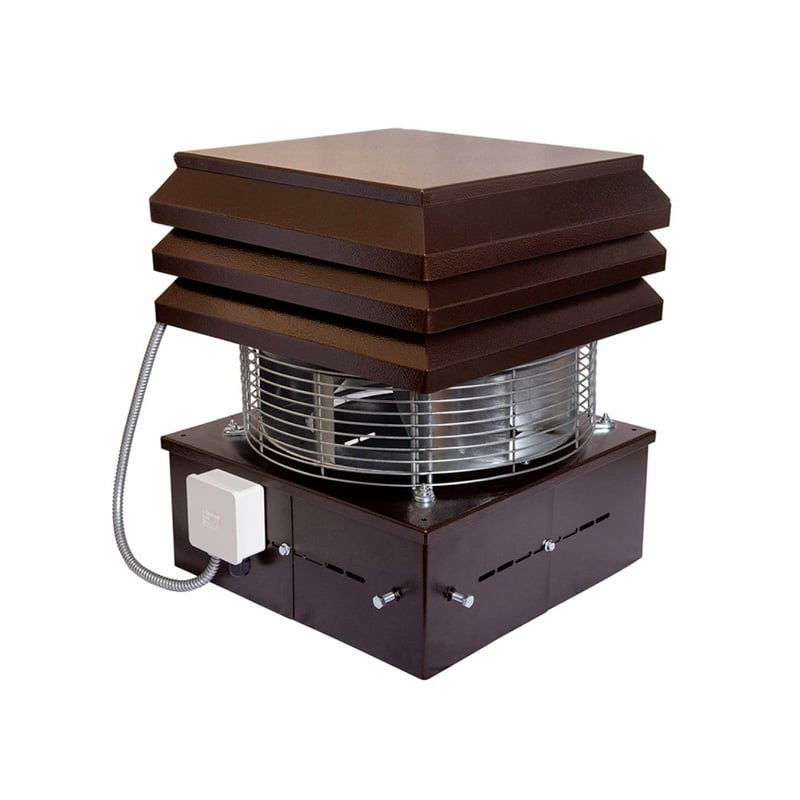
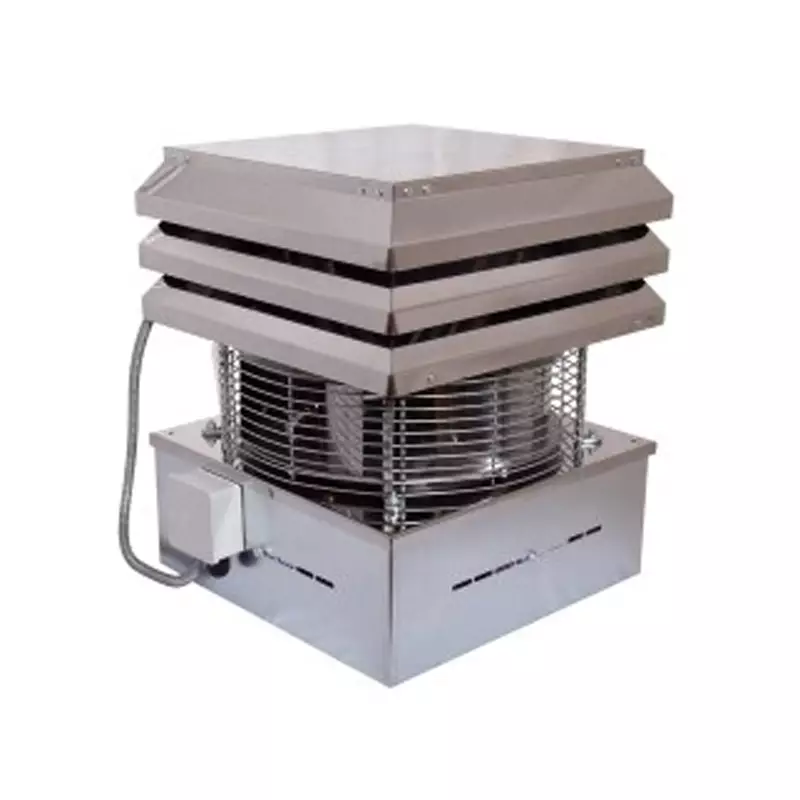
To meet the diverse needs of its customers, GEMI Elettronica offers various models of fireplace extractors.
Basic model vacuum cleaner
The ideal model for those seeking a simple yet effective solution to chimney smoke. It ensures excellent draft and reduces the risk of smoke backflow into the home. It's easy to install and perfect for small to medium-sized fireplaces.
Professional model vacuum cleaner
Designed for intensive use, this model guarantees maximum suction power even in the largest fireplaces or in difficult situations. It's the right choice for those who want high performance and the certainty of a consistently perfect draw.
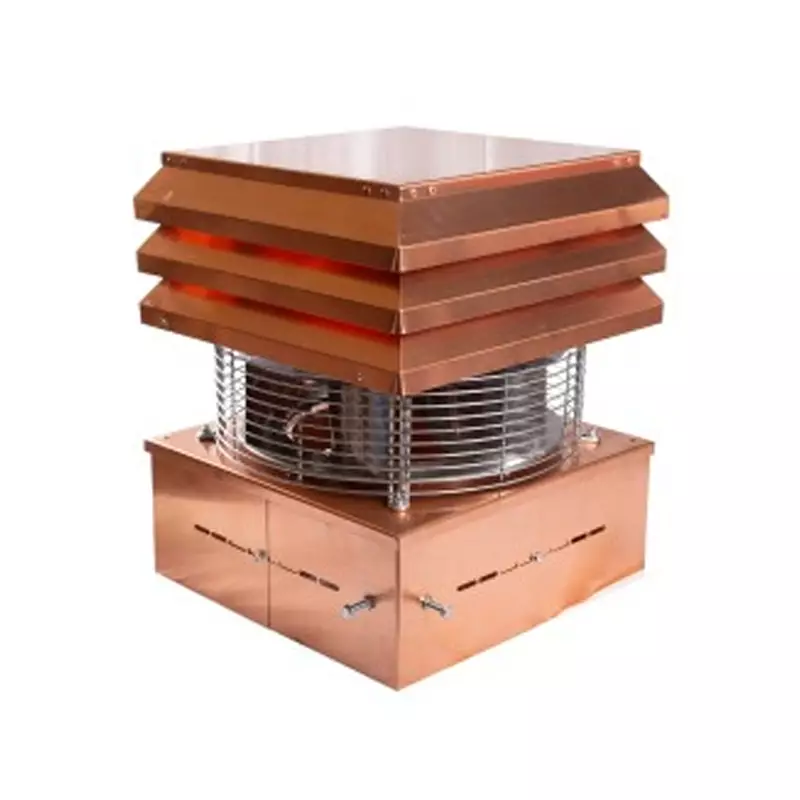
Round copper model extractor fan
In addition to its functionality, this extractor combines design and elegance thanks to its copper finish. It complements rustic fireplaces or refined spaces perfectly, without sacrificing the power and efficiency that distinguish our products.
Best practices to minimize risks
In addition to the essential support of a mechanical extractor, there are some habits that can drastically reduce the toxicity of the fumes produced:
- Use only virgin, dry wood: Burning treated, painted, or damp wood exponentially increases the emission of toxic chemicals and dioxins.
- Avoid using coated paper or plastic: To light a fire, it is better to use certified natural kindling.
- Regular cleaning: A soot-free chimney improves the flow of gases and reduces the risk of duct fires.
- Monitoring: Pay attention to odors. If you smell smoke in your home, it means your exhaust system isn't working properly.
Conclusion: enjoy the fire in complete safety
A fireplace shouldn't be seen as an enemy of your health, but as a resource that requires attention and the right tools. If managed properly, wood heating is a sustainable and wonderful choice.
The secret is to never accept smoke in your home as a "normal" consequence of having a fireplace. Thanks to Gemi Elettronica extraction systems, you can transform any fireplace into a safe system, where the only heat you perceive is that of the flame and the air you breathe remains pure and healthy for you and your family. Investing in proper draft is not just a functional improvement, but a conscious choice for your home's well-being.